

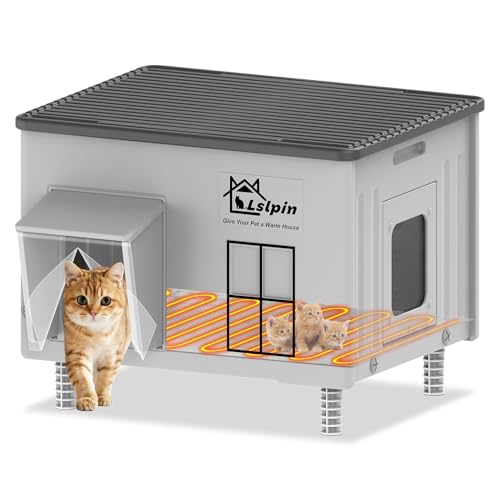


Say your backyard shelter faces freezing rain and nightly lows below 20°F, and you want a safe, warm refuge for your outdoor cats. A heated cat house with insulation, an escape door, and a thermostat-controlled heating pad will protect your cats from hypothermia and frostbite while keeping electricity use reasonable.
Choosing the right heated outdoor cat house means balancing durability, safety, and comfort. This guide breaks down the best models, key features to look for, and how to set up a winter-ready shelter your cats will use.
Heated Outdoor Cat House Features Compared
| Model | Best for | Size (inches) | Heating Pad Wattage | Waterproofing | Escape Door | Price |
|---|---|---|---|---|---|---|
| Lslpin Large Heated Outdoor Cat House | Top Pick | 21.6×16.9×17.5 | UL certified thermostatic | 100% weatherproof HDPE | Yes | Check price on Amazon |
| PLEKER XXL Heated Outdoor Cat House | Best XXL | 31.5×15.8×26 | 43W waterproof | 5-layer ultimate protection | Yes | Check price on Amazon |
| Dahivs Heated Outdoor Cat House | Easy Assembly | 17.7×15×17.5 | UL-tested | Waterproof awning | Yes | Check price on Amazon |
| VANTASPIRE Large Heated Cat House | Removable Pad | 25.6×13.4×17.7 | Removable, waterproof | Waterproof Oxford fabric | Yes, two doors | Check price on Amazon |
| Myodal Indestructible Heated Cat House | Heavy Duty | 17.7×15×17.5 | Included heated bed | 100% waterproof with awning | Yes | Check price on Amazon |
Best Heated Outdoor Cat Houses for Winter
Lslpin Large Heated Outdoor Cat House
PLEKER XXL Heated Outdoor Cat House
Dahivs Heated Outdoor Cat House
VANTASPIRE Large Heated Cat House
Myodal Indestructible Heated Cat House
What Makes Outdoor Heated Cat Beds Different
Outdoor heated cat beds stand apart by combining warmth, safety and weather protection in ways regular shelters don’t. The core is a thermostatically controlled heating pad that keeps the interior cozy without overheating. This smart control saves energy and prevents burns, crucial for outdoor use where dogs or wildlife might come close.
Waterproof and weatherproof materials form the house’s shell, shielding cats from rain, snow and wind. A durable, sealed exterior keeps moisture out and warmth in. Inside, insulation varies: foam panels, double walls or air cavities trap heat naturally, making the environment snug without constant power draw.
Elevated floors separate cats from cold, damp ground. Raising the house at least a few inches blocks ground moisture and drafts. This simple feature dramatically increases comfort and reduces health risks from chilled paws or damp fur.
Escape doors add a safety layer. Cats can bolt quickly if threatened, which lowers stress and keeps them willing to use the shelter. These doors also help manage airflow to keep the interior fresh but warm.
If you’re searching for heated outdoor cat house Europe models or any cold region, look for these features first. They create a naturally cozy retreat that withstands winter’s worst. No heated bed alone can compare to a purpose-built heated outdoor cat house designed with all these elements working together.
How to Size and Place a Heated Outdoor Cat House
Knowing how to size and place a heated outdoor cat house makes all the difference in keeping your cat warm and safe through winter. Start by matching the house size to your cats. A single cat needs less space, but multiple cats or a nursing mother require a larger shelter to move comfortably and share warmth.
Elevate the house at least 3 inches above ground level to block moisture and cold air. This elevation works with the house’s insulated floor to maintain a dry, warm resting spot.
Position the entrance away from prevailing winds and toward a sheltered area like a porch corner or against a wall. This placement minimizes drafts and storm exposure, helping the heating system work efficiently.
Adding straw bedding and Mylar blankets inside boosts warmth by trapping body heat and providing soft insulation. These natural materials are safe and effective companions to the heating pad.
Check that you can safely run power to the house. The heating pad needs a power source accessible without stretching cords across walkways or exposing them to water. Protect cords with outdoor-rated covers or conduit to prevent damage.
If you wonder how to know if a house can be properly heated, look for designs with well-sealed doors, thick insulation, and a thermostatic controller. These elements ensure heat stays inside even on the coldest nights. European models often emphasize energy efficiency and weather sealing, reflecting colder climates.
This careful sizing and placement create a reliable winter shelter. Even the best heated cat house won’t help if it’s too small, poorly located, or improperly powered. For more on creating a naturally cozy space, see Naturally cozy tips.
Running Costs and Power Safety of Heated Outdoor Cat Houses
Keeping an outdoor cat house warm without a bulky space heater usually means relying on a low-wattage heating pad. Most thermostatically controlled pads draw between 40 and 60 watts, which translates to about 0.04 to 0.06 kWh per hour.
At a typical electricity rate of 17 cents per kWh, running a 50-watt pad for 24 hours costs roughly 20 cents daily (0.05 kW × 24 hours × $0.17 = $0.20). This makes heated cat houses surprisingly affordable to run all winter long.
Always use an outdoor-rated GFCI (Ground Fault Circuit Interrupter) outlet with a waterproof cover to plug in the heater. A GFCI cuts power instantly if it detects a current leak, protecting cats and people from shocks.
Look for heating pads with chew-resistant cords and built-in thermostats. Chew-resistant cords reduce fire and shock hazards from curious cats, while thermostats keep the pad from overheating or running unnecessarily.
Battery or solar-powered options exist but tend to be less reliable for sustained warmth in cold weather. Batteries can drain quickly, and solar panels may not produce enough energy during short winter days or cloudy skies.
Regularly inspect power cords and plugs for cuts, chew marks or fraying. Damaged cords increase fire risk and may cause shocks. Replace any suspect equipment promptly to keep your cat safe and warm.
Safety and Certification to Look For in Heated Cat Houses
Oil or fuel-heated cat houses are rare and not recommended indoors due to the risk of carbon monoxide poisoning. Electric heating pads remain the safest and cleanest option for keeping outdoor cats warm.
Look for heating pads with UL certification. This means the pad passed independent tests for electrical safety, fire resistance and performance, reducing the chance of malfunction that could harm pets or property.
Flame-retardant, waterproof heating pads add another layer of protection. Flame-resistance helps prevent fires if the pad overheats, while waterproofing stops damage or short circuits from moisture or spills.
Escape doors or flaps on the cat house prevent cats from becoming trapped inside if the lid or entrance is blocked by snow or debris. Make sure the opening is large enough for easy exit but small enough to block wind.
Check for chew-resistant power cords and low-voltage systems. Low voltage reduces shock risk for cats if they bite or scratch cords, and chew-resistant designs make cords tougher to damage.
Heating pads with thermostats calibrated to maintain a safe, steady temperature avoid overheating. Overheated pads can burn cats or cause fires, so reliable temperature control is essential for safety.
What Competitors Miss: Natural Heating and Maintenance Tips
Natural warmth adds a crucial layer of comfort to an outdoor heated cat house beyond its built-in heating pad. Straw bedding is your first go-to: it insulates well, traps dry air, and wicks moisture away from your cat, keeping the shelter warmer and drier than blankets or towels.
Mylar emergency blankets are another simple trick. Placing one on the interior walls or roof reflects your cat’s body heat back inside, effectively boosting warmth without extra power.
Maintenance keeps that warmth working all season. Clean the shelter regularly to prevent mold and odors, which thrive in damp, soiled bedding. Dry conditions are key—wet straw or moisture buildup chills the space instead of warming it.
Snow and debris on roofs and around entrances block airflow and insulation, so clear them off frequently to maintain proper ventilation and prevent structural damage.
Heating pads wear out with use and weather exposure. Check yours at the start of each season for cracks, frayed cords, or failure to heat. Replace any damaged pad to avoid cold spots or electrical hazards.
These natural and upkeep strategies work together to keep your cat’s outdoor house cozy through winter’s coldest nights. Combining them with a quality heated shelter like the Lslpin large heated cat house gives your cat the best chance to stay warm and safe.
Questions People Ask
How do I power an outdoor heated cat house safely?
Are heated cat houses safe for kittens and continuous use?
What size heated cat house do I need for multiple cats?
How do I encourage a feral cat to use a heated shelter?
Can I use oil or propane heaters inside a cat house?
What bedding is best inside a heated outdoor cat house?
How do I maintain and winterize a heated cat house?

HeaterGuides covers home heating, water heating and HVAC: how the equipment works, what it costs to run, and how to use it safely.
