Best Heat Temp for Cozy Winter Nights: 65 to 70°F Works Well
On this page 8 sections
Heater Comparison for Cozy Winter Nights
| Rank | Model | Best for | Heat Output (W) | Thermostat Range ( F) | Safety Features | Price |
|---|---|---|---|---|---|---|
| 1 | R.W.FLAME Small Space Heater with ThermostatBest for Bedrooms | Bedrooms and small rooms up to 200 sq ft needing quick, quiet heat | 1500 | ±1 ℉ precision | Overheat protection, tip-over shutoff, child lock, flame-retardant case | Check price |
| 2 | OLIXIS 23″ Space Heater with OscillationBest for Even Heat | Rooms and patios needing evenly distributed warmth with oscillation | 1500 | 50–95 | Tip-over protection, overheat shut-off, child lock, flame-retardant materials | Check price |
| 3 | Silonn Electric Fireplace Heater with App ControlBest for Ambiance | Those who want warmth plus a realistic fireplace look and remote app control | 1400 | 62–82 | Overheating protection, child lock, tilt automatic shutdown | Check price |
| 4 | FIRE RIOT 75,000 BTU Wood Pellet Outdoor HeaterBest for Outdoor Use | Outdoor patios, gardens, and porches needing powerful, long-lasting heat | 75,000 BTU | — | — | Check price |
| 5 | TRONLEE 40″ Small Electric Fireplace with MantelBest for Style & Heat | Small to medium indoor spaces needing heat plus decorative furniture | 4600 BTU | — | Overheat protection, safety lock | Check price |
The right heat temperature keeps you warm without wasting energy or driving up costs. Most people set their thermostats too high, leading to sky-high bills and dry, uncomfortable air.
This guide helps you pick the best heater and find the temperature that suits your space, your budget, and your winter habits.
Top Heaters for Cozy Winter Nights

R.W.FLAME Small Space Heater with Thermostat

OLIXIS 23″ Space Heater with Oscillation

Silonn Electric Fireplace Heater with App Control

FIRE RIOT 75,000 BTU Wood Pellet Outdoor Heater
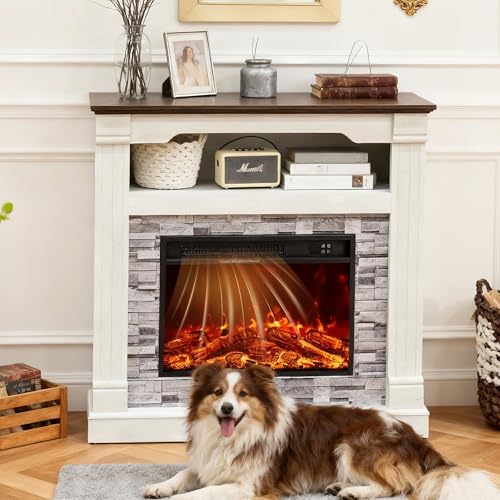
TRONLEE 40″ Small Electric Fireplace with Mantel
Best Heat Temp for Cozy Winter Nights
The best thermostat setting for winter nights lies between 65°F and 70°F. This range balances comfort without sending your energy bills through the roof.
Setting the heat above 70°F often wastes money and dries out the air, leaving skin and sinuses irritated. At 68°F, the air holds enough warmth to feel cozy yet isn’t so dry that it causes discomfort.

Thermostat precision matters more than you might guess. A digital thermostat that holds temperature within 1°F keeps the room steady, avoiding the on-off cycling that wakes you up or wastes energy.
In the US, many homes aim for around 68°F during the day in winter, lowering to 60–65°F overnight to save energy while you sleep. This matches studies showing health benefits: cooler bedrooms improve sleep quality and reduce respiratory irritation.
Your best winter heat setting is the one you can maintain steadily without spikes. That means using a thermostat with a good sensor and setting it near 68°F for living spaces and a bit lower for bedrooms. It’s the smart mix of comfort, economy, and health.
How to Choose the Right Heater for Your Space
Choosing the right heater starts with your space and power source. Electric heaters are popular for their ease and safety indoors, but non-electric options like propane or wood stoves work better in garages or places without reliable electricity.
Wattage sizing depends on room square footage. A good rule of thumb is 10 watts per square foot. For example, a 150 sq ft room needs about 1,500 watts, which matches the max output of most plug-in space heaters.
Look for key features: an adjustable thermostat to keep temperature steady, a timer for managing run times and saving energy, and safety mechanisms like tip-over switches and overheat protection.
Small rooms do better with compact, fast-heating models like oil-filled radiators or ceramic heaters. Larger or draftier spaces may call for electric fireplaces or propane heaters with higher BTU output.
Running costs depend on wattage and fuel. Electric heaters at 1,500 watts cost around 17 cents per kilowatt-hour. Running one for 8 hours nightly adds up to about $2 a day. Propane or wood stoves might cost less per heat unit but require ventilation and fuel storage.
For apartments, electric space heaters with good thermostats are the most efficient and safe form of winter heat. Garages suit propane or kerosene heaters rated for indoor use with ventilation. Outdoor patios call for specialized outdoor heaters.
If you want a quick next step on picking a heater for a bedroom or small room, see our guide on best space heaters for winter nights.
Safety and Certification You Can Trust
Heating your home safely this winter means choosing a heater with the right features and certifications. Tip-over switches shut the heater off if it falls, preventing fires. Overheat protection stops the heater from reaching unsafe temperatures and damaging itself or your room.
Look for UL or ETL certification on any electric heater. These labels prove the heater has passed rigorous safety tests. They cover electrical safety, build quality and protective features that keep you and your home safe.
Never plug a space heater into an extension cord or power strip. A typical 1,500 W heater draws about 12.5 amps at 120 V, close to the limit of many cords and strips. Using them risks overheating and fire. Always plug directly into a dedicated wall outlet.
Child lock and automatic shutoff features add another safety layer. Child locks prevent accidental button presses that might change settings or turn the heater on or off. Automatic shutoff activates after a set time or if the heater detects unsafe conditions, reducing risk if you forget to turn it off.
Fuel-burning heaters like propane or kerosene models need ventilation to avoid carbon monoxide buildup. Only use indoor-rated models with an oxygen depletion sensor (ODS). Never run outdoor-only heaters or unvented gas heaters indoors. Always have a working CO alarm in rooms with fuel heaters.
Running Costs and Energy Savings
The cheapest way to heat your home is to use a heater efficiently and set the thermostat right. A 1,500 W heater running 8 hours a day uses 12 kWh daily. At 17 cents per kWh, that’s about $2.04 a day or $61 a month.
Heaters with eco modes or programmable timers save money by running only when needed and maintaining lower temps. Setting a heater to 68°F instead of 72°F can cut energy use by about 10% to 15%. Dropping the thermostat 1°F saves roughly 3% to 5% on heating costs.
Using heated blankets or zonal heating—only heating the room you’re in—cuts bills by not wasting energy on empty spaces. A heated blanket might use 100 W, just a fraction of a space heater, making it an efficient choice for bedtime.
Balance comfort and cost by setting your heater between 65°F and 70°F. That range is healthy and affordable while keeping winter nights cozy. Programmable thermostats and timers help maintain this sweet spot without wasting energy.
Heating Outdoors and Special Spaces
The best way to heat a garage in winter is with an electric heater designed for uninsulated spaces. These units resist moisture and cold better than typical indoor models, providing steady warmth without combustion risks.
For a cheap way to heat a sunroom, a plug-in electric space heater with a thermostat does the job. Its quiet operation and precise control keep temperatures comfortable without burning fuel or needing ventilation.
Heating a vinyl shed in winter is possible but tricky. Use electric heaters only, since fuel-burning heaters produce moisture and require ventilation. Keep the heater off the floor and watch for heat damage to plastic walls.
Outdoor pellet and propane heaters bring powerful heat to patios but need careful placement. Propane units require proper oxygen supply and a working oxygen depletion sensor for safety. Pellet heaters need dry storage for fuel and clearance from combustibles.
Safety and ventilation differ sharply outdoors versus indoors. Outdoor heaters can vent freely, but indoor use demands sealed combustion or electric models and carbon monoxide alarms. Never use outdoor-only heaters inside.
Fans help distribute heat evenly in garages and sunrooms. A ceiling or floor fan set on low circulates warm air, reducing cold spots and helping your heater work less.
Portable heaters offer flexibility and easy storage but usually have lower output and require frequent refilling or electrical access. Permanent solutions like wall-mounted electric heaters or built-in propane systems cost more upfront but deliver consistent heat year-round.