
That sticky, prickly feeling on a hot day is unmistakable. Heat rash, often called prickly heat or medically known as miliaria, is a common summer skin irritation from heat. It happens when your sweat ducts get blocked and sweat gets trapped under your skin. Tiny, itchy bumps that can drive you crazy.
While often a minor nuisance, knowing the best heat rash treatment can bring quick relief. This guide covers everything from identifying symptoms to effective home remedies and when it’s time to call a doctor. You’ll learn how to soothe that itchy heat rash fast and keep your skin cool all season.
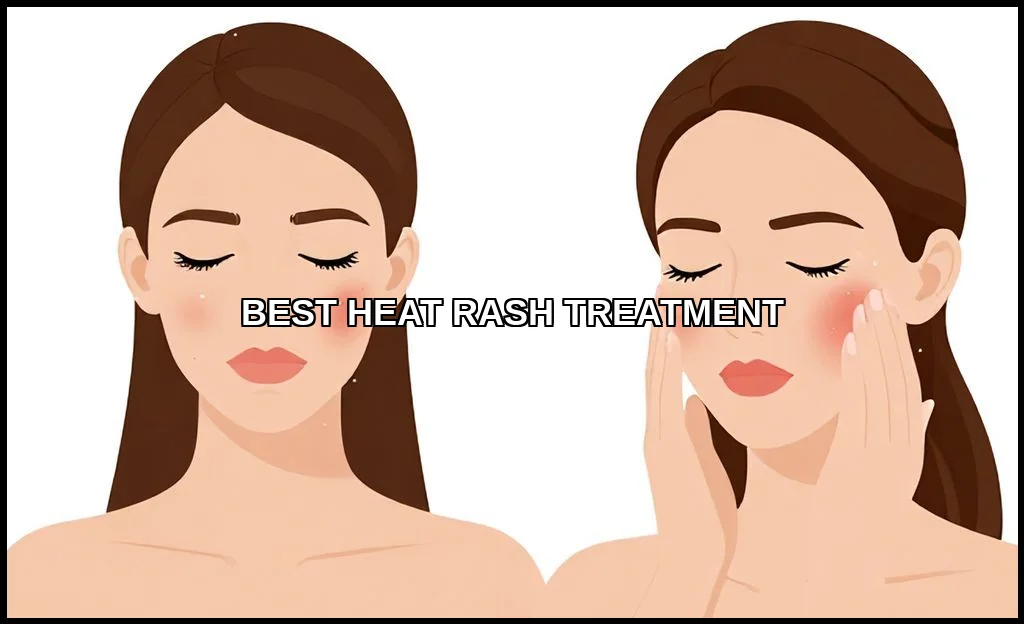
What is Heat Rash? Symptoms and Causes
Heat rash is essentially a sweat rash. Your body cools itself by sweating, but when sweat glands are blocked by dead skin cells or tight clothing, the sweat can’t escape. This trapped sweat leads to inflammation and the classic rash. You might see it referred to as baby heat rash often, as infants’ pores are smaller and more easily clogged.
The symptoms vary by the depth of the blockage. Looking at heat rash pictures can help, but heres a quick breakdown:
- Miliaria Crystallina: The mildest form. Clear, fluid-filled blisters that break easily.
- Miliaria Rubra (Prickly Heat): The most common type. Red bumps and a persistent prickly or stinging sensation.
- Miliaria Profunda: Less common, flesh-colored, deeper bumps that can feel burning rather than itchy.
Common triggers include hot, humid weather, intense physical activity, overheating from fever or bedding, and wearing non-breathable fabrics. It can appear anywhere but is common in skin folds, under breasts, and on the back. Heat rash on face and neck is also frequent, especially from hats or helmet straps.
Immediate Home Remedies and Soothing Techniques
Your first line of defense is a good cooling skin treatment. The goal is to reduce sweating, cool the skin, and relieve itching. Start by getting out of the heat. Move to an air-conditioned or fan-cooled space immediately.
Next, try these proven home remedy for severe heat rash steps:
- Take a cool shower or bath. Use a mild, fragrance-free soap. Gently pat your skin drydon’t rub.
- Apply a cool compress to the affected area for 15-20 minutes several times a day. A clean washcloth soaked in cool water works perfectly.
- Let your skin air dry. Avoid thick creams or ointments that can further blocked sweat ducts.
- Wear loose, lightweight, breathable cotton clothing.
For direct relief, many reach for calamine lotion. Its cooling effect can temporarily soothe the itch. Aloe vera gel (straight from the plant or a pure product) is another excellent natural anti-inflammatory. For a persistent, itchy heat rash, an over-the-counter hydrocortisone cream (1%) can reduce inflammation quickly. Speaking of which, for a reliable, fast-acting option, many dermatologists suggest keeping Cortizone-10 Maximum Strength on hand. It’s a top pick for targeted relief when you need it.
Best Over-the-Counter Creams and Treatments
When home care isn’t enough, the pharmacy aisle has solutions. The best cream for heat rash in adults depends on your primary symptom: itching or inflammation.
Hydrocortisone Cream (1%): This is your go-to for reducing red, inflamed bumps. It’s a mild topical steroid that calms the immune response in your skin. Use it sparingly for a few days only.
Antihistamine Creams or Gels: Look for products containing diphenhydramine (Benadryl) or pramoxine. These tackle the itch signal directly. Great for nighttime relief so you can sleep.
Zinc Oxide Cream: A staple for diaper rash, it’s equally effective for heat rash. It forms a protective, soothing barrier on the skin. This is often the best choice for sensitive skin or baby heat rash.
Powders: Cornstarch-based or medicated powders (like those with menthol) can help keep areas dry and reduce friction. Avoid talc. Apply lightly to clean, dry skin.
A key question is heat rash vs eczema difference. Eczema is a chronic condition often linked to allergies or genetics, while heat rash is directly caused by heat and blockage. Treatments differ. Steroid creams may help both, but eczema often requires heavier moisturizers, which would worsen heat rash. When in doubt, check with a pharmacist.
How to Prevent Heat Rash in Hot Weather
Prevention is always simpler than treatment. The strategy revolves around managing sweat and heat exposure. It’s about being smart with your environment and wardrobe.
First, dress for the heat. Choose loose-fitting clothes made of natural fibers like cotton or moisture-wicking synthetics. This is one area where the best space heaters at Walmart won’t help youbut the right lightweight clothing will.
Your environment matters. Use fans, air conditioning, and cool showers to regulate body temperature. If you’re working outdoors, take frequent breaks in the shade or a cool area. For sleeping in hot weather, use lightweight, breathable bedding.
Keep your skin dry. After sweating, change out of damp clothes promptly. Gently cleanse skin folds daily. If prone to rash, a light dusting of cornstarch powder can be a preventive measure (again, avoid talc).
Be mindful of products. In summer, switch to oil-free, non-comedogenic sunscreens and lotions. Heavy creams and petroleum-based products are a common culprit for blocked sweat ducts.
When to Seek Medical Attention
Most heat rash clears up within a few days with cool-down strategies and self-care. But sometimes, it signals a bigger problem. You should consult a doctor if:
- The rash lasts longer than a week or gets worse despite home treatment.
- Signs of infection appear: increased pain, swelling, redness, warmth, pus, or fever.
- The itching is so severe it disrupts your sleep or daily life.
- You’re trying to figure out how to get rid of heat rash overnight and nothing workssevere cases may need prescription-strength medication.
For infants, be extra cautious. If your baby has a fever or the rash looks infected, seek pediatric care immediately. A great official source for visual guides and professional advice is the American Academy of Dermatology’s authority guide.
Remember, extreme overheating can lead to heatstroke, a medical emergency. Symptoms include confusion, nausea, rapid pulse, and a body temperature above 104F (40C). If these occur alongside a rash, seek emergency care.
Practical Tips for Lasting Comfort
Managing heat rash is part of a broader strategy for summer wellness. Think of your skin as part of your body’s cooling system. When that system gets clogged, you feel it instantly.
Invest in the right tools for climate control, not just for winter warmth but for summer cool. Just as you’d research the best battery operated space heater for a chilly room, consider a good portable fan or air circulator for hot spaces. It’s all about environmental management.
Stay hydrated. Drinking enough water helps regulate your body temperature and can make your sweat less concentrated, potentially reducing irritation.
Finally, listen to your skin. That first prickly tingle is a signal. Act on it by cooling down, changing clothes, and keeping the area dry. A little proactive care saves a lot of discomfort later.
Heat rash is common, annoying, but highly manageable. With the right knowledgefrom identifying prickly heat to applying a cool compress or selecting a targeted heat rash creamyou can tackle it head-on. Keep your skin cool, dry, and breathable, and you’ll spend less time itching and more time enjoying the season.
