
You love your curls. The volume, the definition, the unique personality they bring. But sometimes, you want to switch it up. A sleek blowout or defined waves with a curling iron. That’s where the right tools and protection come in. For consistent, professional-level heat styling, many stylists rely on a high-quality iron like the CHI 44 Iron. Its even heat distribution is a game-changer. But the real secret? It’s not just the tool. It’s the shield you put on your hair first.
Curly hair is inherently more fragile and prone to dryness. Using heat without a proper guard is a recipe for disaster. Frizz, breakage, and lost definition. This guide cuts through the noise to find the best heat protectant for curly hair. We’ll look at ingredients, application, and top products that offer real thermal protection without the crunch.
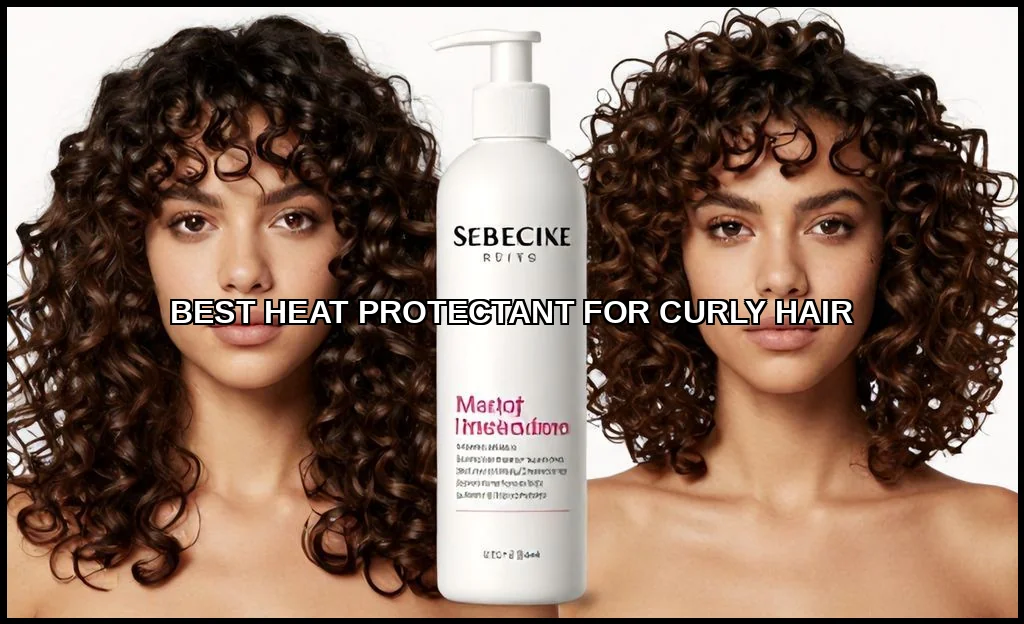
Why Curly Hair Needs Special Heat Protection
Think of your curl pattern as a delicate spring. Heat can permanently damage the protein bonds, causing that spring to lose its shape. Permanently. Unlike straighter hair types, curls have a harder time retaining moisture. The natural oils from your scalp struggle to travel down those twists and turns. This makes your strands more susceptible to heat damage.
Applying a dedicated hair protectant creates a barrier. It doesn’t make your hair heat-proof. Nothing does. Instead, it helps to seal in moisture and temporarily coat the hair shaft. This minimizes the direct impact of high temperatures. The goal is to achieve your desired style while preserving curl definition and overall hair health. It’s a non-negotiable step in any heat styling routine for textured hair.
Key Ingredients to Look For (and Avoid)
Not all curly hair products are created equal. The ingredient list is your first line of defense. You want a formula that protects without weighing down your pattern or causing buildup.
Powerful Protectors & Hydrators
- Humectants like Glycerin or Hyaluronic Acid: These attract moisture from the air into your hair. Crucial for keeping curls hydrated during the drying process.
- Natural Oils (Argan, Coconut, Avocado): They provide slip, add shine, and help seal the cuticle. Look for them further down the list to avoid greasiness.
- Proteins (Hydrolyzed Wheat, Silk, Keratin): In small doses, these can help temporarily fortify damaged hair. They fill in gaps in the hair shaft.
- Heat-Activated Polymers: These are the high-tech heroes. They form a flexible shield around the hair when heat is applied, offering true thermal protection.
Ingredients to Use With Caution
- Silicones (Dimethicone, Cyclopentasiloxane): A hot topic. They provide excellent slip and shine. But some can build up on curly hair, blocking moisture. If you use them, occasional clarifying is a must.
- High Alcohol Content (Alcohol Denat., Isopropyl Alcohol): These can be extremely drying. They may cause your hair to become brittle over time. Avoid them in the first five ingredients.
- Heavy Waxes and Butters: While great for wash-and-gos, they can smother hair during heat styling. They might also cause the iron to drag or create a gummy residue.
Top Heat Protectants for Curly Hair: Detailed Reviews
We’ve analyzed sprays, creams, and serums. The best heat protectant for natural curly hair balances protection with texture. Here are standout options for different needs and budgets.
1. The All-Rounder Cream
This multitasking styling cream combines a heat protectant spray‘s defense with a styler’s hold. Ideal for blowouts or when using a flat iron. It often contains smoothing agents for frizz control and humectants for hydration. You get style and shield in one step. Perfect for those seeking simplicity without sacrificing results.
2. The Weightless Serum
For fine curls or those who hate product feel, a hair serum is magic. A few drops emulsified in your hands and glided over damp hair provides an invisible barrier. It adds shine and fights humidity without any crunch. This is a prime candidate for the search “heat protectant for curly hair without crunch.” It leaves hair feeling like hair, just better.
3. The Budget-Friendly Hero
Great protection doesn’t require a luxury price tag. Many drugstore brands now offer effective thermal protectant formulas. Look for ones free of sulfates and heavy alcohols. They prove that an affordable heat protectant for curly hair is absolutely possible. Finding the best value often means reading labels carefully, a skill useful whether you’re shopping for hair care or a space heater.
4. The Professional-Grade Spray
Often found in salons, these sprays offer maximum defense for high-heat tools. They mist on evenly and dry quickly. Many contain UV filters too, protecting against sun damage. They’re a favorite for stylists who frequently use high temperatures to transform texture. For intense heat, this dedicated category is worth the investment.
How to Apply Heat Protectant Correctly
Technique matters as much as the product. Doing it wrong can leave patches of hair vulnerable.
Step-by-Step Application
- Start with damp, towel-dried hair. Hair should be about 70% dry. Soaking wet hair dilutes the product. Bone-dry hair won’t allow even distribution.
- Section your hair. Work in 4-6 manageable sections. This ensures every strand gets coated, especially the hard-to-reach back layers.
- Apply product evenly. Use a comb or your fingers to distribute the protectant from roots to ends. Focus on mid-lengths and ends, which are the oldest and most fragile.
- Dry with a diffuser attachment first. Before touching a hot tool, get hair 100% dry. A diffuser minimizes frizz and chaos. It’s a gentler way to start the drying process.
- Use the right heat setting. Start low. You can always increase temperature if needed. For fine hair, 300-350F. For coarse, thick hair, 350-400F. Never use the highest setting “just because.”
Remember, the goal is style preservation, not daily heat exposure. Give your curls breaks in between sessions to recover with deep conditioning.
FAQ: Heat Styling & Curly Hair Care
Does heat protectant work on curly hair?
Absolutely, when chosen and applied correctly. It’s a shield, not an invincibility cloak. It significantly reduces moisture loss and cuticle damage during styling. Think of it as mandatory insurance for your curls.
How often can I use heat on my curls?
Moderation is key. Once a week is a safe maximum for most hair types. Always follow with a nourishing mask. Listen to your hair. If it feels straw-like or loses elasticity, take a longer break. For more on maintaining ideal conditions for delicate things, check our guide on the best portable heaters.
Can I use heat protectant on dry hair?
Some sprays are designed for dry touch-ups. However, for major styling (blowouts, curling), apply to damp hair. This allows the product to integrate fully into the hair shaft as it dries, creating a more uniform barrier.
What’s the difference between a serum and a cream?
Serums are typically lighter, silicone-based, and focus on shine and seal. Creams are richer, often contain more moisturizing ingredients, and provide light hold. For thick, coarse curls, a cream might be better. For fine, loose curls, a serum prevents weigh-down.
For the most current curl science and techniques, the team at Naturally Curly remains an invaluable authority guide.
Your Curls, Protected
Finding your perfect heat protectant is a personal journey. It depends on your porosity, density, and styling goals. The right product will let you explore different styles without fear. It preserves the bounce and health you’ve worked so hard to achieve. Start with a focus on ingredients. Master the application technique. And always, always pair heat with deep hydration afterward. Your future, frizz-free, stylish self will thank you.
