Seamlessly Relieve Pain: The Best Heat Pack for Back
On this page 8 sections
- Heat Packs and Supports Comparison
- Best Heat Packs and Supports to Relieve Pain Effectively
- How to Choose Heat Packs and Supports for Effective Pain Relief
- Sizing and Running Costs for Heat Therapy and Compression Supports
- Safety and Certification You Should Look For
- How Compression and Heat Work Together to Relieve Pain
- Checklist Before Buying or Using Your Pain Relief Heat Pack
- Questions People Ask
Heat Packs and Supports Comparison
| Rank | Model | Best for | Type | Target Area | Application Method | Price |
|---|---|---|---|---|---|---|
| 1 | RockTape RockSauce Fire Capsaicin & Menthol Roll-OnBest for Quick Heat Relief | Most users seeking fast, mess-free heat and pain relief | Topical cream | Muscles and joints | Roll-on applicator | Check price |
| 2 | MofivKce Bamboo Charcoal Compression Knee Sleeve, MediumBest for Breathable Knee Suppo | Those needing breathable compression to relieve knee pain and arthritis | Compression sleeve | Knees | Slip-on sleeve | Check price |
| 3 | HENOTIC Copper Arthritis Full Finger Compression GlovesBest for Copper Infused Hand R | Users needing full-finger compression with copper infusion for arthritis and carpal tunnel | Compression gloves | Hands and fingers | Wearable gloves | Check price |
| 4 | Rhino Valley Adjustable Lumbar Back Brace for WomenBest for Adjustable Lumbar Sup | Women needing strong back support and pain relief for herniated discs or sciatica | Support brace | Lower back | Wrap-around brace | Check price |
| 5 | Donfri Fingerless Arthritis Compression Gloves, 2 PairBest for Open-Finger Mobility | Users who want fingerless compression gloves for arthritis relief with full finger movement | Compression gloves | Hands | Wearable fingerless gloves | Check price |
Many believe that all heat packs and pain relievers work the same way, but only half of that is true. While heat does soothe pain by increasing blood flow, the way a product delivers heat and supports your body can make a big difference in effectiveness and comfort.
Relieving pain effectively means combining targeted warmth with ease of use, safety, and the right fit for your specific area of discomfort. This guide helps you pick the best product for your needs without fuss or guesswork.
Best Heat Packs and Supports to Relieve Pain Effectively

RockTape RockSauce Fire Capsaicin & Menthol Roll-On

MofivKce Bamboo Charcoal Compression Knee Sleeve, Medium

HENOTIC Copper Arthritis Full Finger Compression Gloves

Rhino Valley Adjustable Lumbar Back Brace for Women
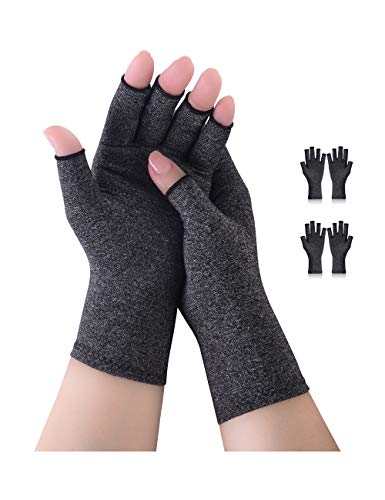
Donfri Fingerless Arthritis Compression Gloves, 2 Pair
How to Choose Heat Packs and Supports for Effective Pain Relief

Picking the right heat pack or support starts with how the heat reaches your pain point. You can choose chemical heat packs that activate with air or water, electric heating pads that plug into a wall, or topical heat like capsaicin roll-ons that create warmth through skin contact.
For back pain, a larger wrap or pad covers the area best—you want something that fits your lumbar curve without slipping off during movement. The RockSauce Fire Capsaicin & Menthol Roll-On is a top pick for easy relief because it applies mess-free, warms deeply, and targets pain without bulky gear.
Think about where you’ll use the heat: knees and hands often need smaller, flexible supports like gloves or sleeves that combine compression and warmth. A wrap or glove should fit snugly but stay breathable, letting your skin breathe during longer wear to avoid irritation or sweat buildup.
Ease of application matters. Roll-ons and sprays are fastest but last a few hours, while electric pads offer continuous heat but require power. Battery-powered or plug-in models with auto shut-off prevent overheating and add peace of mind. Look for no-mess designs if stains or cleanup are a concern.
Material comfort can’t be overlooked. Bamboo charcoal or copper-infused fabrics offer breathability and durability in compression gloves and sleeves. Soft, stretchy fabrics keep supports comfortable for extended use without cutting circulation or causing itchiness.
Sizing and Running Costs for Heat Therapy and Compression Supports
Sizing your heat pack or support correctly means measuring the target area precisely. For a back heat pack, measure across your lower back width and height to pick a pad or wrap that fully covers the sore spot without bunching or leaving gaps.
Compression gloves sizing is usually based on hand circumference around the knuckles. A proper fit offers enough pressure to soothe joint pain without restricting finger movement or blood flow.
For running costs, chemical heat packs are single-use and cost more per session but need no power. Electric pads use 50 to 150 watts; a 100-watt pad running for 1 hour consumes 0.1 kWh. At 17 cents per kWh, that’s about 2 cents per use, making electric pads economical over time.
Reusable heat packs or wearable electric garments may have upfront costs but pay off with repeated use. Breathable fabrics in compression supports reduce skin irritation, so factoring fabric quality into sizing decisions extends comfort and usage.
Choosing between single-use and reusable depends on your pain frequency and mobility. Single-use packs suit occasional flare-ups, while rechargeable or plug-in heat supports fit daily use. Compression sleeves like the bamboo charcoal knee sleeves offer ongoing support with low maintenance.
Sizing right and knowing your running costs help you pick a pain relief solution that fits your routine and budget without surprises.
Safety and Certification You Should Look For
Heat packs and pain relief products are safe when they meet key standards and you follow usage guidelines carefully.
Electric heat packs should have UL, ETL, or CSA certification. These marks mean the device passed independent safety tests, including electric shock and fire hazards. Avoid models without one of these certifications.
Look for built-in tip-over and overheat protection on electric pads. A tip-over switch cuts power if the device falls, preventing fire risk. Overheat protection stops the pad from exceeding safe temperatures, crucial to avoid burns.
Temperature control and automatic shut-off features help prevent skin burns. Devices that let you set the heat and that turn off after 1 to 2 hours reduce the chance of injury when you fall asleep or forget to switch them off.
Topical creams or roll-ons must use non-toxic ingredients. Avoid products with irritating additives or allergens if you have sensitive skin. Patch testing is a good precaution before full use.
Follow all instructions exactly. Applying heat directly on bare skin or using a heat pack longer than recommended can cause burns or irritation. Never use heat therapy on areas with poor circulation or open wounds without medical advice.
How Compression and Heat Work Together to Relieve Pain
Compression gloves for arthritis and other supports help by boosting blood flow and reducing swelling around painful joints.
Heat therapy relaxes muscles and eases stiffness, complementing compression’s effects. Together, they improve mobility and reduce discomfort more than either alone.
Products that combine heat and compression deliver both benefits at once. For example, some knee sleeves include heating elements or pockets for heat packs, while compression gloves may come with built-in warming fabrics.
Use compression-only products when swelling is the main issue or when heat is contraindicated, such as during acute inflammation. Combined therapy suits chronic pain and stiffness better, especially in arthritis or muscle strains.
Material and fit are key. Compression should be firm but comfortable, not cutting off circulation. Look for breathable, stretchy fabrics that move with you. Adjustable straps or sizing options help maintain consistent pressure without discomfort.
The best compression support for pain balances effective pressure with heat retention and comfort. Gloves like the HENOTIC Copper Arthritis Gloves provide gentle compression and warmth, enhancing pain relief while allowing touchscreen use.
When choosing a product, consider how often you’ll wear it and whether you want hands-free heating or prefer removable heat packs. Proper fit and ease of use keep you consistent with therapy, which makes all the difference.
For detailed options and sizing advice, see the best wearable heating pad guide and compression knee sleeves reviewed elsewhere on this site.
Checklist Before Buying or Using Your Pain Relief Heat Pack
Preparing for heat therapy starts with knowing exactly where your pain is and matching that to a compatible product. Pinpoint the target area—knee, back, or hand—and check the product description to confirm it covers that spot well.
Before buying, verify safety certifications like UL or ETL listings and look for features such as automatic shut-off and overheat protection. These prevent accidents and ensure the product will perform reliably.
Measure your pain area and compare those dimensions with the product’s size information. A heat pack or support that’s too small won’t deliver effective relief; too large can be awkward or lose contact with sore spots.
Ease of putting on and taking off matters. Choose supports with adjustable straps or flexible designs, and heat packs with simple controls or cordless options if you want less hassle during use.
Follow the manufacturer’s instructions strictly for temperature settings and wear time. Typical recommendations are 15 to 30 minutes per session to avoid burns or skin irritation. Never fall asleep with an active heat pack unless it’s explicitly designed for that.