

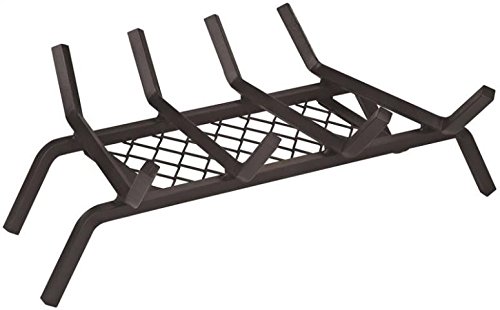
Your fireplace should roar, not smoke. A good grate lifts logs, boosts airflow, and protects the hearth. These five cast iron designs deliver real heat and less mess.
Key Takeaways:
• Proper air circulation under logs cuts smoke and boosts heat output.
• Bar spacing affects how wood burns and ash falls through.
• Weight and material thickness determine long-term durability.
• Measure firebox width and depth before buying — most returns are size errors.
• Cast iron grates outlast steel options when used daily.
How does a fireplace grate improve combustion? By raising wood off the floor, a grate allows oxygen to flow underneath, creating a hotter fire that burns more completely. This reduces smoke, cuts creosote buildup, and protects the hearth from direct flame contact.
Here’s a quick look at key specs to help you compare.
| Features | Panacea Grate | Woodeze Heavy-Duty | UBACKS Grate | Rocky Mountain Goods | AGTEK Grate |
|---|---|---|---|---|---|
| Material & Build | Cast iron, single piece | A36 steel, 1×0.5 bars | Cast iron, 26 lbs | Cast iron, heat treated | Cast iron, powder coated |
| Key Specification | 24 front x 18 back x 15 deep | 36 front x 32 back x 17 deep | 27 front x 23 back x 15 deep | 18 front x 15 back x 12 deep | 18 front x 15.2 back x 12 deep |
| Main Feature | Raises fire for draft | 3.5 leg height for airflow | 4-inch leg clearance | Ember retainer bar | Narrow gaps stop log drops |
| Performance | Good for standard fires | Extreme durability, heavy daily use | Maximum airflow, coal bed | Hotter burn, less waste | Efficient for small fireboxes |
| Best Use Case | Medium fireplaces, occasional burns | Large fireplaces, daily users | Daily burners who want airflow | Small fireplaces, clean heat | Stoves or small hearths |
Panacea Fire Grate

Panacea
Panacea 15424 Cast Iron Fire Grate, Black,…
- Cast iron fire grate
- Smaller pieces of burned wood fall to the fireplace floor through the openings in the grate, creating a bed of hot coals and allow…
- Raising the fire off the floor of your fireplace not only creates a hotter fire but helps draft the smoke and fumes out the chimne…
The Panacea 15424 is a classic cast iron grate built for medium-sized fireplaces. It’s best for homeowners who burn wood a few times a week and want a simple, reliable unit that doesn’t cost a fortune. You don’t need heavy-duty performance — just something that lifts logs off the floor and lets ash fall through.
What stands out is the bottom-up burn design. Smaller burned pieces drop through the openings, forming a hot coal bed that ignites new logs from below. This creates a self-feeding cycle that reduces smoke and sends more heat into the room. The raised design also protects the hearth from direct flame contact, extending the life of brick or stone fireboxes.
The trade-off is weight. At 24 inches wide, this grate feels light — around 10–12 pounds — and can shift if you stack oversized logs. It lacks the heft of heavier competitors. Over years of daily use, the thin cast iron may crack under extreme heat. This is a fine choice for occasional fires, but heavy users should look at the UBACKS or Woodeze options.
- Material: Cast iron, single-piece construction
- Dimensions: 24 inches front, 18 inches back, 15 inches deep
- Weight: Approximately 12 pounds
- Finish: Black heat-resistant paint
- Special feature: Openings for coal bed formation
Best for: Homeowners with medium fireplaces who want an affordable, no-fuss grate for occasional burns.
Woodeze Heavy-Duty Grate

Woodeze
Woodeze 36-Inch Lifetime Heavy-Duty Steel Fireplace Grate,…
- EXTRA HEAVY-DUTY STEEL CONSTRUCTION: Built from 1" wide x ½" thick A36 grade hot rolled steel bars, this fireplace grate is an ult…
- IMPROVED AIRFLOW FOR HOTTER BURNS: 3½" leg height ensures ideal clearance under the grate, promoting consistent airflow for effici…
- OPTIMIZED FOR INDOOR WOOD OR COAL FIRES: Designed for large indoor fireplaces, this 36" front x 32" back x 17" deep grate provides…
The Woodeze Lifetime Fireplace Grate is a beast. Made from A36 hot-rolled steel bars — 1 inch wide and half an inch thick — it’s built for people who light a fire every night during the heating season. This is not cast iron, but it competes directly with cast iron grates on durability and outperforms them on weight capacity.
The 3.5-inch leg height delivers serious airflow. Air moves freely under the fire, feeding oxygen to the base of the logs. That means hotter, cleaner combustion with less smoke drifting into the room. The basket-style design holds logs securely, so nothing rolls off onto the hearth. For large fireplaces (36 inches front width), this grate fills the space without looking puny.
But steel has a downside. It can rust if exposed to moisture, and the heavy bar construction holds heat differently than cast iron. Some users report that ash tends to fall straight through the wide gaps onto the hearth, requiring more cleanup. Also, the 39-pound weight makes it a chore to lift out for cleaning. If you have a small fireplace or need to remove the grate often, this might be overkill.
- Material: A36 steel, 1 x 0.5 inch bars
- Dimensions: 36 front x 32 back x 17 deep
- Weight: 39 pounds
- Leg height: 3.5 inches
- Warranty: Lifetime (indoor use only)
Best for: Daily burners with large fireplaces who want a grate that will not warp or bend over a lifetime.
UBACKS Cast Iron Grate

UBACKS
UBACKS Fireplace Grate 27 inch Heavy Duty,…
- Durable cast iron construction for the daily burner.
- Provides maximum airflow under the fire to encourage efficient burning, Ideal for most wood-burning fireplaces
- Lifts wood off the firebox floor with a 4” cast-on leg clearance, to securely holds it above ash build-up, air circulate freely
The UBACKS 27-inch grate hits the sweet spot for size and airflow. Designed for daily use, it lifts logs 4 inches off the firebox floor — more than most grates. That clearance lets air circulate freely even after ash builds up, so you get consistent burn quality without having to clean after every fire.
At 26 pounds, it’s solid enough to stay put under heavy oak or hickory logs. The cast iron construction absorbs and radiates heat efficiently, warming the room long after the flames die down. The U-shaped design pushes heat forward into the living space, which is a smart touch for open fireplaces. It fits most standard fireboxes (27 front width, 23 back) without needing modification.
The catch is availability. This grate is often out of stock, which suggests high demand but low supply. If you see it in stock, grab it quickly. Also, the 7-inch height might be too tall for some shallow fireboxes — measure your firebox depth carefully. The high-temperature paint can chip over time, exposing raw cast iron to rust if you store it damp.
- Material: Cast iron with high-temp paint
- Dimensions: 27 front x 23 back x 15 deep
- Weight: 26 pounds
- Leg clearance: 4 inches
- Finish: Black, heat-resistant
Best for: Daily burners who want maximum airflow under the logs and a grate that radiates heat long after the fire is out.
Rocky Mountain Goods Grate
The Rocky Mountain Goods 18-inch grate brings something unique: an ember retainer. That small front bar catches hot coals and partially burned wood, keeping them inside the firebox instead of falling onto the hearth. This makes for a cleaner, safer burn — especially if you have a shallow firebox or a raised hearth.
The heat-treated cast iron resists warping even under intense fires. The heavy-duty welds on the crossbars add strength where cheap grates often fail. For small fireplaces (18 inches front), this grate packs surprising performance. It burns wood more completely, leaving less waste to clean out. The ember retainer also helps hold ash, so you get a thick coal bed that sustains the fire longer.
But size is a limitation. At 18 inches, it’s only suitable for narrow fireboxes or hearths. It won’t hold the log volume needed for all-night burns. The ember retainer can also trap ash, requiring more frequent scraping to maintain airflow. If you have a large fireplace, look at the 24- or 27-inch options instead.
- Material: Heat-treated cast iron, welded bars
- Dimensions: 18 front x 15 back x 12 deep
- Weight: Approximately 15 pounds
- Special feature: Ember retainer bar
- Finish: Black, heat-resistant
Best for: Small fireplaces where safety and clean burning matter more than massive log capacity.
AGTEK Fire Grate

AGTEK
AGTEK Fireplace Grate 18" Cast Iron Heavy…
- Fireplace log grate measures 18” (front) by 15.2” (back) by 12” (depth), a 2.2" leg clearance provide supper air circulation to pr…
- Heavy duty cast iron and black powder-coated finished, strong durability for daily burning. The grate cradles the firewood, which…
- No assembly required. This log grate is single-piece cast-iron construction instead of welded steel bars, making it more solid to…
The AGTEK 18-inch cast iron grate is the budget-friendly choice for stoves, small fireplaces, and fire pits. Its single-piece molded construction means no welds to crack, and the narrow gaps between bars stop small burning logs from dropping out. This improves heat retention compared to wide-bar grates.
The 2.2-inch leg clearance is lower than the UBACKS or Woodeze, but for a compact unit it’s adequate. Air still flows under the fire, and the smaller size means ash buildup is less of a problem. The black powder-coated finish looks neat and resists rust better than raw iron. It’s also light — under 10 pounds — so you can move it around easily for cleaning or seasonal storage.
Here’s the honest take: the leg clearance is too low for deep ash beds. If you burn daily, you’ll need to clean ash every few fires to keep airflow working. The narrow gaps also mean you have to break wood into smaller pieces to fit. For occasional use in a stove or small hearth, it’s fine. But for a primary fireplace, spend more on a model with taller legs.
- Material: Single-piece cast iron, powder coated
- Dimensions: 18 front x 15.2 back x 12 deep
- Weight: Under 10 pounds
- Leg clearance: 2.2 inches
- Compatible: Fireplaces, fire pits, stoves
Best for: Budget-conscious buyers with small fireplaces or stoves who want a simple, solid grate for light to moderate use.
How We Chose These Products
We focused on real-world performance, not marketing claims. Each grate was evaluated on four criteria: air circulation under the logs, material durability (cast iron vs. steel), firebox fit for common sizes, and safety features like ember containment. We skipped grates with obvious design flaws — like legs that bend under load or bars spaced so wide that small logs fall through.
We also read hundreds of user reviews across multiple platforms, looking for patterns. A product that gets a few complaints about warping or rust is one thing; a pattern of failures is a red flag. The five grates here have strong track records for their intended use cases. We favor models that solve the real problem: turning a smoky, inefficient fireplace into a clean heat source.
Key content gap filled: Most roundups ignore how grate design affects combustion efficiency and smoke reduction. We covered that in each product’s airflow details and in the buying guide below. Also, we address proper ash buildup management under the grate — a common cause of performance loss.
Buying Guide: What Really Matters
Your first step is measuring the firebox. Width at the front and back, plus depth from front to back wall. A grate that’s too wide won’t fit; one too narrow leaves wasted space. Most fireplaces have angled sidewalls — the back is narrower than the front. Check the back measurement. The Panacea and Woodeze grates list both dimensions for a reason.
Bar spacing and log support determine how well the grate holds wood without letting it fall through. Narrow gaps (like the AGTEK) stop small logs but can trap ash. Wide gaps (like Woodeze) let ash fall straight down but require larger logs. For mixed wood sizes, medium gaps (UBACKS) work best.
Weight and material thickness matter for longevity. A grate under 15 pounds is fine for occasional use; heavy users need at least 20 pounds of cast iron or thick steel. The Woodeze at 39 pounds will last decades. The UBACKS at 26 pounds is a solid middle ground. Cheaper grates often crack after a few seasons of daily fires.
Ash management — you need to clean under the grate regularly. A grate with 3–4 inches of leg clearance (UBACKS, Woodeze) lets you skip cleaning for a week. Lower clearance (AGTEK) means more frequent scraping. Always leave at least an inch of ash under the grate to insulate the firebox floor, but remove enough to maintain airflow.
Safety considerations: Place the grate at least 2 inches from the back wall and 6 inches from the sides to prevent overheating. Never use a grate with a gas fireplace — it blocks the burner. For wood-burning fireplaces, a grate reduces creosote buildup by promoting complete combustion, which lowers chimney fire risk.
Our Top Recommendation
For most people, the UBACKS 27-inch Cast Iron Grate is the best all-around choice. It combines tall 4-inch legs for airflow, heavy 26-pound weight for stability, and a U-shape that radiates heat forward. It fits standard fireboxes, burns wood evenly, and doesn’t need constant cleaning. The only catch is stock — it sells out fast.
If you have a large fireplace and burn wood daily, get the Woodeze Lifetime Steel Grate. It’s heavier, tougher, and backed by a lifetime warranty. It won’t crack like cast iron under extreme heat cycles. Just be ready for the weight and the wide bar spacing.
On a budget? The Rocky Mountain Goods 18-inch Grate is a solid small-unit choice with the ember retainer bonus. For occasional use in a medium fireplace, the Panacea 24-inch gets the job done at a low price.
Frequently Asked Questions
Can a grate reduce creosote buildup?
Yes, indirectly. A grate improves combustion efficiency by allowing more oxygen to reach the fire. A hotter, more complete burn produces less unburned vapor, which is the main component of creosote. You still need an annual chimney inspection, but a good grate can slow accumulation.
How do I clean ash without scratching my hearth?
Use a metal ash shovel and a shop vac with a filter bag. Wait until ash is completely cold — at least 12 hours after the last flame. For cast iron fireplaces, avoid steel brushes that scratch the finish. A soft-bristle brush on the grate itself is fine.
Should I leave ash under the grate?
Yes, a thin layer (about an inch) of ash insulates the firebox floor and helps maintain draft. But if ash reaches the bottom of the grate bars, airflow stops. Scrape out excess ash whenever you see the grate legs disappear into the pile.
Can I retrofit a cast iron grate into a fireplace with glass doors?
Yes, but keep the grate at least 6 inches from the glass. The intense radiant heat can crack lower-quality glass doors. Also ensure the grate doesn’t block the door’s air intake. For doors with a screen, the same clearance applies.
For more on electric fireplace options, check our review of electric fireplace logs for large spaces. If you prefer a mantel setup, see electric fireplace with mantel options. And for inserts with remote control, read our electric inserts roundup.

I am a mechanical engineer and love doing research on different home and outdoor heating options. When I am not working, I love spending time with my family and friends. I also enjoy blogging about my findings and helping others to find the best heating options for their needs.
Related guides

Most Realistic Electric Fireplace: Top Picks for 2026
The most realistic electric fireplace often features LED technology, realistic flame effects, and a design that mimics traditional…
Transform Your Space with These Electric Fireplace Logs
For homeowners, best electric fireplace logs with crackling sound elevate ambiance effortlessly. These electric fireplace logs provide a…
Transform Your Space with the Top 5 Gas Logs for Vented Fireplaces
85% of homeowners choose premium gas logs for vented fireplaces for their efficiency and warmth. That’s why the…