So you want to start pressing t-shirts. Smart move. Whether you’re launching a side hustle, personalizing gear for a team, or just diving into a new hobby, a quality heat press machine is your gateway. It’s the difference between a crisp, professional-looking print and one that peels after a single wash. The market is flooded with options, from simple clamshells to sophisticated digital presses, which makes finding the best heat press machine for t-shirts a real project.
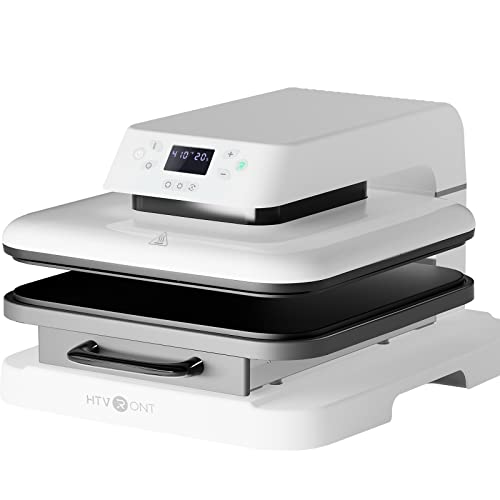
Your choice hinges on volume, budget, and the learning curve you’re willing to tackle. For beginners, an easy press machine might seem tempting, but for true durability and commercial potential, a dedicated professional heat press is the way to go. Speaking of which, if you’re looking for a fantastic blend of automation and precision right out of the gate, many creators are raving about the HTVRONT Auto Heat press. It simplifies the process with smart features, making it a standout contender for anyone serious about quality from day one.

Introduction to Heat Press Machines
At its core, a t-shirt printing machine uses controlled heat and pressure to permanently fuse a design onto fabric. It’s far superior to an iron, offering consistent, commercial-grade results. The debate often starts with the machine’s action: the classic clamshell design or the more versatile swing-away design. Your choice here impacts your workspace and workflow significantly.
Understanding this basic mechanics is your first step. It’s not just about slapping on a transfer; it’s about mastering time, temperature, and pressure. This trifecta determines your success. And with 2024 bringing more smart, user-friendly models to market, there’s never been a better time to invest.
Key Features to Compare
Not all presses are created equal. Scrutinizing these features will save you money and frustration down the line.
Press Type: Clamshell vs Swing Away
This is the fundamental choice. A clamshell press opens like a book, with the heating element hinging directly up. It’s compact and often more affordable, perfect for tight spaces. However, the platen can get in the way when loading larger or odd-shaped items.
A swing-away press, on the other hand, has an arm that swings the heating element completely clear of the lower platen. This gives you unobstructed access, making it easier to position garments, use alignment tools, and press thicker items like bags or shoes. For a commercial heat press setup, the swing-away is typically the preferred workhorse.
Heat Platen Size and Even Heat Distribution
Platen size dictates what you can print. A standard 15″ x 15″ platen handles most adult t-shirts. For full-front adult prints or larger items, consider a 16″ x 20″. Remember, bigger isn’t always better if you only print standard teesit just uses more electricity to heat.
More critical than size is even heat distribution. A hot or cold spot will ruin a transfer. Quality presses use thick, aluminum platens and calibrated heating elements to ensure every square inch is the same temperature. This is non-negotiable for professional results.
Control System: Analog vs Digital
An analog press uses a dial thermostat, like an old oven. It’s simple but less precise. A digital heat press features a digital controller for exact temperature setting, a timer, and often memory functions. The precision of a digital controller is a game-changer for consistency, especially when you’re dialing in the perfect heat press temperature for different materials.
It removes the guesswork. You set it to 320F for 30 seconds, and you get exactly that, every single time. For repeat orders and business use, digital is the clear winner.
Pressure Adjustment and Build Quality
Pressure must be adjustable to accommodate different garment thicknesses. Look for a sturdy, steel-frame construction and a reliable pressure mechanism (usually a threaded knob or a swing-handle). A wobbly, lightweight press will fail under daily use. This is where investing in a well-reviewed model pays off, much like choosing the best battery powered heater for reliable, portable warmth.
Top Heat Press Machine Reviews for 2024
Based on features, user feedback, and value, here are top models to consider in your search for the best heat press 2024 has to offer.
1. For Beginners & Small Businesses: Fancierstudio Digital Clamshell
This press is a fantastic entry point. It offers a digital controller, a solid 15″ x 15″ platen, and consistent performance at a very accessible price point. It answers the question of what is the best heat press machine for a small business just starting out. The clamshell design keeps the footprint small.
- Best for: Hobbyists, new small businesses, those with limited space.
- Consideration: The clamshell action can make precise placement a bit trickier on bulky items.
2. The Commercial Powerhouse: Stahls Hotronix Air Swinger
This is the industry standard for a reason. The swing-away design provides full access, and the pneumatic (air) pressure system offers unparalleled, hands-free consistency. It’s a true professional heat press built for high-volume production. The investment is significant, but the output and durability justify it for serious operations.
- Best for: High-volume print shops, businesses demanding peak consistency.
- Consideration: Higher price point and requires an air compressor.
3. The Automated Choice: HTVRONT Auto Heat Press
This model stands out by automating the pressure application. You place your item, and the press applies consistent pressure with the push of a button. It minimizes user error and is incredibly easy on the wrists and shoulders during long sessions. For those wanting a modern, tech-forward approach to a heat transfer press, it’s a brilliant option that bridges the gap between beginner and pro.
- Best for: Users seeking ease-of-use, those with physical limitations, creators wanting smart features.
- Consideration: Relies on its electronic systems, so understanding basic troubleshooting is key.
4. Best Value Under $500: PowerPress 15×15 Swing-Away
Hitting the sweet spot of best heat press for shirts under $500, this model brings the coveted swing-away design into an affordable range. It features a digital controller, a sturdy build, and reliable performance. It proves you don’t have to sacrifice critical features for budget.
- Best for: Budget-conscious users who want a swing-away’s versatility.
- Consideration: While sturdy, it may not have the heavy-duty longevity of presses twice its price.
Buyer’s Guide: How to Choose Your Press
Let’s break down how to choose a heat press for t-shirt printing without the marketing fluff. Ask yourself these questions.
What’s Your Primary Use Case?
Are you making a dozen shirts for a family reunion, or are you planning to fulfill Etsy orders daily? Volume dictates durability needs. A hobbyist can thrive with a solid clamshell, while a business should lean towards a commercial-grade swing-away. Think long-term.
What’s Your Real Budget?
Factor in everything. The press itself, transfers, a sturdy table, a Teflon sheet, and protective paper. Don’t spend your entire budget on the machine alone. Sometimes, finding great deals on accessories can be as strategic as knowing where to get the best space heater for your needs.
Space and Ergonomics
Measure your workspace. A clamshell saves space but can be awkward. A swing-away needs clearance for the arm to move. Also, consider the height of the open presscan you comfortably reach the center of the platen? Your back will thank you.
The Iron vs Press Debate
Let’s settle heat press vs iron for t-shirts quickly. An iron is for one-off, low-expectation projects. It lacks consistent pressure and even heat. For any semblance of quality, durability, or efficiency, a dedicated press wins every time. It’s the tool for the job.
FAQs and Final Recommendations
Frequently Asked Questions
What’s the best type for a complete beginner?
A digital clamshell press, like the Fancierstudio, is often the best heat press for beginners. It’s affordable, simple to use, and teaches the fundamentals without a huge upfront investment.
How important is a warranty?
Very. A 1-2 year warranty is standard for good models. It’s a sign the manufacturer trusts their build quality. Always register your product.
Can I press materials other than cotton?
Absolutely. Polyester, blends, and even mugs or plates require specific temperatures and times. Always, always do a test press on a similar fabric scrap first. Your heat press reviews and manufacturer guides will have starting points.
Bringing It All Together
Your ideal t-shirt press aligns with your ambition. Start by honestly assessing your projected volume and available space. Prioritize even heat distribution and a digital controller for reliable results. For hobbyists and startups, a digital clamshell or a value swing-away opens the door. For those building a brand, investing in a commercial swing-away or an automated model like the HTVRONT is a strategic move for growth.
The right machine doesn’t just make shirts; it builds confidence. It turns a complex process into a repeatable, satisfying routine. Do your research, read the latest heat press reviews, and choose the tool that fits the future you’re pressing toward. Now go make something awesome.