Immersion heaters can be expensive to run, especially if used frequently, as they typically consume a significant amount of electricity, leading to higher energy bills, but their initial cost varies based on capacity and efficiency.
Immersion heaters provide hot water by heating it directly in a tank using electricity. While cheaper to install than boilers, their running costs can add up quickly. This guide breaks down immersion heater expenses and how to use them efficiently.

Titikula
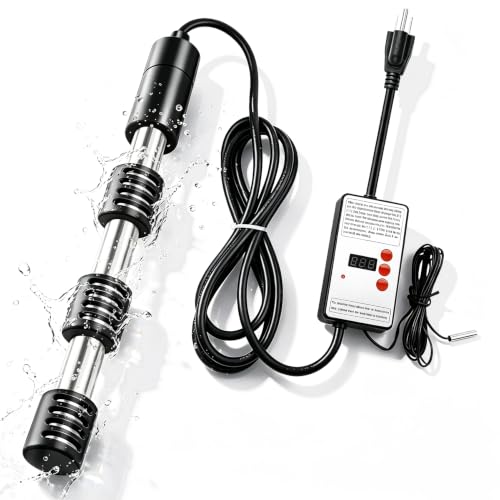
Immersion Water Heater with Controller, Portable Bucket…
- Ultimate Safety: Anti-Dry Burn & Auto Shut-off: Safety is paramount for any portable immersion water heater. Our device is equippe…
- Smart Temp Control & Real-Time Display: Upgrade your heating experience with our intelligent immersion water heater. The integrate…
- Heavy-Duty 14AWG Cord & 304 Stainless Steel: Built to outlast the competition, this bucket heater is crafted with a high-grade 304…
How Much Do Immersion Heaters Cost to Run?
Immersion heaters typically consume 3 kW per hour. At current electricity rates, this equals about 50p per hour. For households running it 2 hours daily, annual costs exceed £360. Winter brings higher bills as incoming water is colder.
| Usage | Cost Per Hour | Annual Cost (2 hrs/day) |
|---|---|---|
| Standard 3 kW heater | 50p | £365+ |
Factors Affecting Running Costs
- Tank insulation quality
- Water usage patterns
- Seasonal temperature changes
- Local electricity rates
Immersion Heater vs Other Heating Options
Compared to Gas Boilers
While gas water heaters have higher upfront costs, they’re generally cheaper to operate. Modern condensing boilers can be 90% efficient versus immersion heaters’ 100% efficiency but higher electricity costs.
Compared to Tankless Heaters
Tankless water heaters provide hot water on demand without maintaining a heated tank. They’re more energy-efficient for homes with intermittent hot water needs.
How to Reduce Immersion Heater Costs
Optimize Usage Timing
Heat water only when needed rather than maintaining constant temperature. Most modern insulated tanks lose only 1-2°C per hour when unused.
Improve Tank Insulation
Adding an insulation jacket can cut heat loss by 75%. This means shorter heating periods and lower bills. Water heater blankets are affordable and easy to install.
Consider Partial Heating
Many tanks have two elements – a shorter one for small amounts and a full-length one. Use the shorter element when only needing limited hot water.
Immersion Heater Alternatives
For Electric-Only Homes
Point-of-use under-sink water heaters can be more efficient for specific faucets. Heat pump water heaters offer 300% efficiency but require proper installation.
For Larger Homes
Combination systems using solar thermal panels with immersion backup can significantly reduce electricity consumption while maintaining reliability.
Long-Term Cost Considerations
While electricity prices may fluctuate, the fundamental efficiency difference between electric resistance heating (like immersion) and other methods remains. Investing in better insulation or alternative systems often pays off within a few years.
For those considering immersion heaters, proper sizing and usage habits make a substantial difference in operating costs. Monitoring your actual consumption with a smart meter can help optimize usage patterns.
Related pick: Check today's price on Amazon

I am a mechanical engineer and love doing research on different home and outdoor heating options. When I am not working, I love spending time with my family and friends. I also enjoy blogging about my findings and helping others to find the best heating options for their needs.
Related guides

Vital Space Heater Review: Compact Heat or Average Output?
What makes a space heater truly vital? Our guide reveals the key features and top-rated models for your…
Top 10 Safe Heating Options for Homes & Camping
Safe heating options include electric heaters, radiant floor heating, and natural gas systems, all designed to minimize risks…
Mini Electric Space Heaters: Small Size, Realistic Expectations
What's the best small heater for your room? Our guide reviews top mini electric space heaters to find…