

Geothermal HVAC systems offer energy efficiency, reduced utility costs, environmental benefits, and long-term reliability, making them a sustainable heating and cooling solution.
Geothermal HVAC systems offer superior efficiency, cost savings, and environmental benefits compared to traditional heating and cooling systems. By tapping into the earth’s stable underground temperatures, these systems provide year-round comfort with minimal maintenance.

Aecsze
Aecsze HVAC Tools Locking Cap Key for…
- 3-in-1 HVAC Tools Design: This versatile 3-in-1 tool is designed for the installation and removal of refrigerant locking caps on H…
- Universal Compatibility: The HVAC multi-key is compatible with Novent NG/NP/NPE Euro and NS universal locking caps. Its unique tri…
- Sturdy and Reliable: Crafted from high-quality materials, this HVAC locking cap tool is built to last. It withstands harsh working…
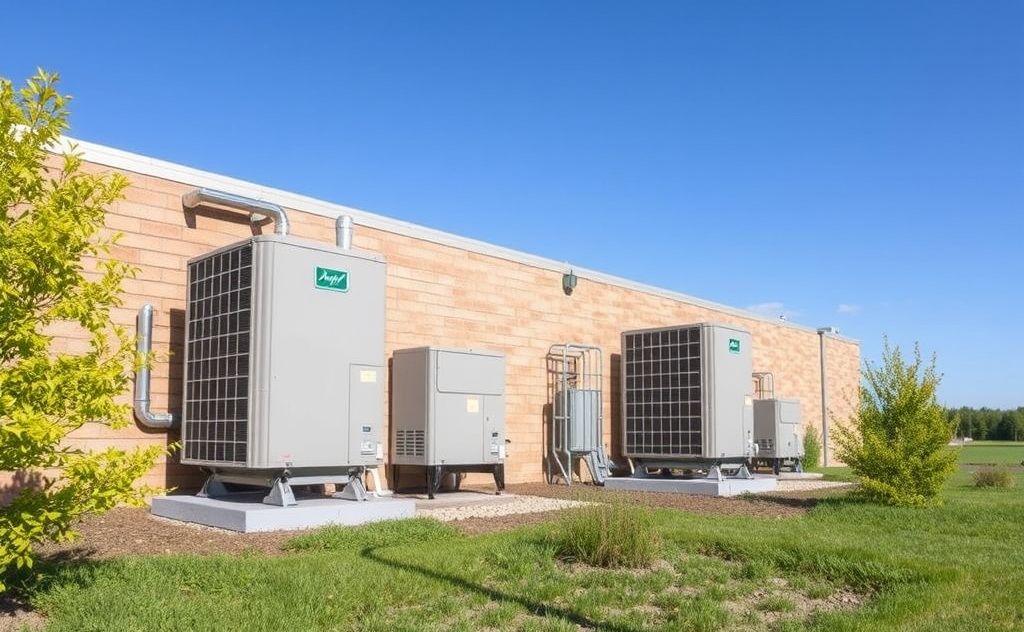
1. Exceptional Energy Efficiency

Geothermal heat pumps are 300-600% efficient, meaning they produce 3-6 units of heat for every unit of electricity used. This outperforms even the best gas heaters which typically max out at 98% efficiency.
How It Works
The system circulates water through underground pipes (ground loops) that absorb heat from the earth in winter and dissipate heat in summer. This process requires minimal electricity compared to conventional systems.
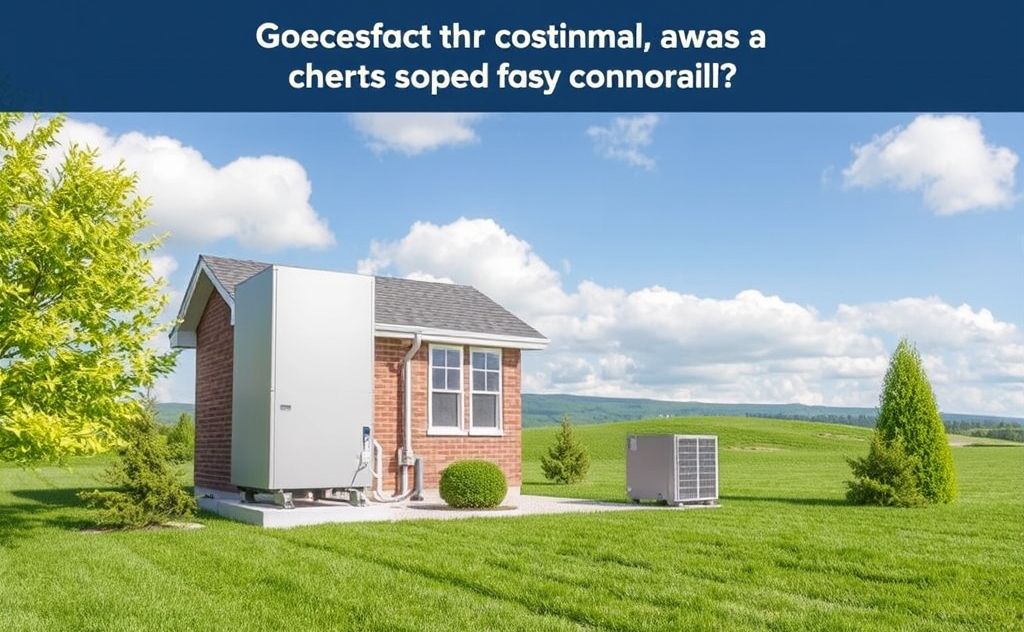
2. Significant Cost Savings
While installation costs are higher upfront, geothermal systems offer:
| Savings Area | Average Reduction |
|---|---|
| Heating Costs | 30-70% |
| Cooling Costs | 20-50% |
| Maintenance Costs | 50-80% |
3. Long System Lifespan
Geothermal components last significantly longer than conventional systems:
- Ground loops: 50+ years
- Heat pump unit: 20-25 years
- Ductwork: 20+ years
This compares favorably to traditional water heater systems that typically need replacement every 10-15 years.
4. Environmental Benefits
Geothermal systems produce no on-site emissions and reduce:
- CO2 emissions by 2.5-5 tons annually
- Water consumption by 50% compared to air-cooled systems
- Electricity use by 25-50%
5. Quiet, Space-Saving Operation
Unlike noisy outdoor AC units or bulky furnaces, geothermal systems have:
- No visible outdoor equipment
- Quiet indoor operation (about as loud as a refrigerator)
- Compact indoor units that fit in utility spaces
6. Consistent Comfort
Ground temperatures remain stable year-round, so geothermal systems:
- Provide even heating without cold spots
- Deliver humidity-controlled cooling
- Maintain performance in extreme weather
7. Government Incentives
Many areas offer financial incentives for geothermal installation:
- Federal tax credits up to 26%
- State/local rebates
- Utility company incentives
According to the U.S. Department of Energy, these incentives can reduce payback periods to 5-10 years.
The International Ground Source Heat Pump Association provides additional resources for homeowners considering geothermal systems.
Related pick: Check today's price on Amazon

HeaterGuides covers home heating, water heating and HVAC: how the equipment works, what it costs to run, and how to use it safely.