

A 220-volt heater is not a bigger version of a bedroom plug-in. It usually draws enough current that the wiring, breaker, and mounting matter as much as the heater body.
In plain terms, 220V heaters trade portability for output. That is why they show up in garages, shops, basements and utility rooms, and why they are a poor fit for a casual add-on in a living room.
220-Volt Space Heaters Explained
220-volt space heaters are electric heaters designed to run on a 240-volt supply, usually requiring a dedicated circuit or hard-wired installation. They deliver more heat output than standard 120-volt heaters by drawing less current at a higher voltage, making them suitable for larger or draftier spaces.
The 220-volt label refers to the heater’s operating voltage, which in practice means it connects to a 240-volt line. This higher voltage allows the heater to run at a higher wattage without overloading a typical household outlet, which usually supplies 120 volts and can handle about 15 amps safely. For example, a 1,500-watt heater at 120 volts draws roughly 12.5 amps, close to the limit; a 3,000-watt 220-volt heater draws around 12.5 amps but produces double the heat.
There are several common types of 220-volt space heaters. Fan-forced models blow warm air into the room, spreading heat quickly but sometimes unevenly. Infrared heaters warm objects and people directly, not the air, which can feel more comfortable in open or drafty areas. Ceiling-mounted units distribute heat from above, saving floor space and heating larger zones with less noise.
220-volt heaters fit best in garages, workshops, basements, utility rooms, and large, uninsulated spaces where a standard 120-volt heater won’t keep up. Installing one means ensuring your electrical panel has a dedicated 240-volt circuit sized for the heater’s amperage, and the mounting location suits the heater type—wall, ceiling, or portable floor models.
| Type | How It Works | Best For |
|---|---|---|
| Fan-forced | Heats air and blows it into the room | Smaller workshops, quick heat |
| Infrared | Heats objects and people directly | Large drafty spaces, garages |
| Ceiling-mounted | Radiates heat from above, saves floor space | Utility rooms, open areas |
How 220V Heat Changes Comfort And Cost
Electric heaters running on 220 volts deliver heat faster and cleaner, making them a solid choice for workspaces and larger areas that need quick warmth.
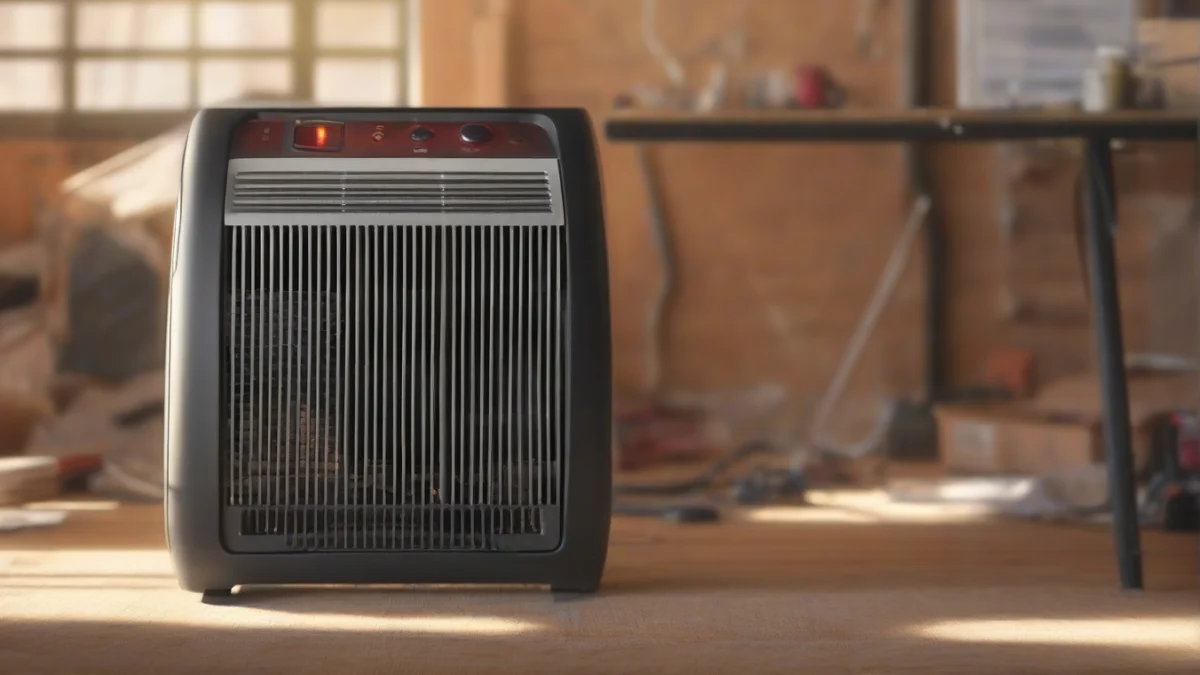
Higher wattage means a heater can put out more heat in less time. For example, a 3,000-watt 220V heater produces twice the heat of a 1,500-watt 120V plug-in model, so it can raise the temperature in a cold garage quicker.
Electric heat is clean at the point of use. Without combustion, there’s no exhaust or fuel storage needed, which keeps the air safe and the setup simpler compared to propane or kerosene heaters.
Comfort varies with heater type. Fan-forced heaters warm the air quickly but can be noisy and dry. Infrared models heat objects and people directly, creating a natural, radiant feel even if the air stays cool. Oil-filled radiators provide gentle, steady heat as the oil stores warmth and releases it slowly, ideal for enclosed rooms where consistent warmth beats speed.
Portable 220V heaters offer flexibility for spot heating in garages or workshops without permanent wiring. Electric heaters in workplaces reduce fumes and fire hazards compared to fuel-burning models, which makes them safer and easier to manage.
Oil-filled heaters add comfort by radiating heat over a longer period even after they switch off, which can save electricity running time while keeping the room warm.


Compare Heater Types Before You Buy
The best 220 volt space heater depends on your garage size, insulation, and whether you need to save floor space. For garages up to 500 sq. ft., a plug-in or dedicated-circuit heater like Product 1 delivers strong, direct warmth. Larger or cluttered spaces benefit from a hard-wired ceiling heater like Product 2, which frees up the floor.
| Heater Type | Comfort | Mounting | Noise | Room Fit |
|---|---|---|---|---|
| Fan-Forced Electric (Product 2) | Fast, spreads heat evenly | Ceiling mounted | Moderate fan noise | Large garages, workshops |
| Infrared Electric (Product 1) | Direct radiant warmth | Wall or floor mounted | Quiet | Small to medium garages |
| Oil-Filled Radiator | Gentle, lasting heat | Portable or floor | Very quiet | Offices, finished spaces |
Portable 120-volt heaters are fine for small, insulated rooms or occasional use. Once your garage or workspace grows beyond 150 to 200 sq. ft., or if the walls are uninsulated, a 220V heater becomes practical. Mounted 220V units provide faster, more reliable heat without using floor space that your tools or vehicles need.
Say your garage is 24 by 24 feet with uninsulated walls. A 1,500 W portable heater won’t cut it. Product 1’s 4,000 W output covers the space efficiently. If you want to keep the floor clear for your car, Product 2 mounts overhead and spreads heat fast with its fan.
Benefits Of Electric Heaters In Workplaces
Electric heaters in workplaces eliminate fuel storage and exhaust concerns, offering fast warm-up and zoned heating for bays or benches. This means you only heat the occupied area, saving energy and money.
Ceiling-mounted units excel in shops and warehouses where floor space is tight. By moving heat overhead, they avoid clutter and keep walkways clear. These units often have adjustable louvers to direct warmth exactly where workers need it.
Oil-filled units suit offices or finished spaces needing quiet, steady heat. They don’t heat up or cool down quickly but keep a gentle warmth without fan noise or air movement.
Check The Circuit And Mounting First
You can’t plug a 240-volt space heater into a standard 120-volt outlet—the circuit and wiring won’t match, and the heater won’t run safely or at full power.

Most 220-volt heaters need a dedicated 240-volt circuit with the correct breaker and receptacle or a hard-wired connection. The circuit components matter more than the heater’s box label to prevent overload and fire risk.
Wiring a 220-volt space heater involves installing a double-pole breaker sized to the heater’s amperage, running 10- or 12-gauge wire depending on load and length, and connecting to a NEMA 6-15 or 6-20 outlet or hard-wiring per manufacturer instructions. This is a licensed electrician’s job—never DIY it.
Mounting height depends on the model. Wall or ceiling units should follow clearance rules—usually 3 feet from combustibles and the floor. Portable heaters need a stable surface, tip-over switches, and at least 3 feet of clearance on all sides.
Most 220-volt heaters include overheat shutoff for safety, but you must keep vents clear and never block airflow. Check the manual for exact clearance and mounting specs.
Before You Buy Or Call An Electrician
Check your room size and insulation first. A 220-volt heater won’t warm a large, uninsulated garage effectively unless it’s sized correctly and mounted to spread heat where you need it.
Confirm your circuit type. If there’s no dedicated 240-volt circuit with the right breaker and receptacle, you’ll need an electrician before installation.
Think about where you’ll mount or place the heater. Ceiling units save floor space, but portable models need a safe spot with clearance and stable footing.
Noise matters. Some 220-volt heaters have fans or blowers, which can be loud in quiet rooms or workspaces.
Decide if the heater will run unattended. Models with tip-over and overheat shutoff are safer for longer run times, but never leave any electric heater running without supervision unless the manual explicitly allows it.
Matching heater type and size to your space and wiring setup prevents costly mistakes. Bigger wattage isn’t always better if it doesn’t fit your circuit or room.
If you need help choosing or sizing, see transform your workspace for detailed recommendations on garage heaters.
Questions People Ask
What is the difference between a 220V and 240V space heater?
Do 220-volt space heaters need a special outlet?
What are the benefits of electric heaters in the workplace?
Are oil-filled heaters better than fan-forced heaters?

I am a mechanical engineer and love doing research on different home and outdoor heating options. When I am not working, I love spending time with my family and friends. I also enjoy blogging about my findings and helping others to find the best heating options for their needs.
Related guides

Can Electric Space Heaters Make You Sick? Risks
Learn how electric space heaters can affect your health and indoor air quality. Discover key safety tips to…
Stay Safe & Toasty: Electric Heaters with Auto Shutoff & Tip Over Protection
Stay cozy and safe with the Gaiatop electric heater featuring auto shutoff and tip-over protection. Perfect for any…
Dreo 1500W Ceramic Heater Review & Buying Guide
Stay warm with the Dreo 1500W ceramic heater. Discover its key features, safety benefits, and energy efficiency. See…