
You’re staring at your Bradford White water heater, wrench in hand, ready for some routine maintenance. You know the sacrificial anode rod is the unsung hero of your tank’s longevity. But when you try to replace it, you hit a wallor more accurately, a rod that won’t budge. You’re not alone. Many homeowners find Bradford White anode rod removal to be a uniquely frustrating challenge.
This isn’t just about a stubborn part. It’s about protecting a significant investment. The rod’s entire job is corrosion protection, sacrificing itself so your tank’s steel walls don’t rust. Ignoring it leads to premature failure. But Bradford White’s robust design, while excellent for durability, creates specific hurdles for DIY water heater maintenance. Let’s break down why it’s so hard and how you can tackle it.
What an Anode Rod Does and Why It’s Critical
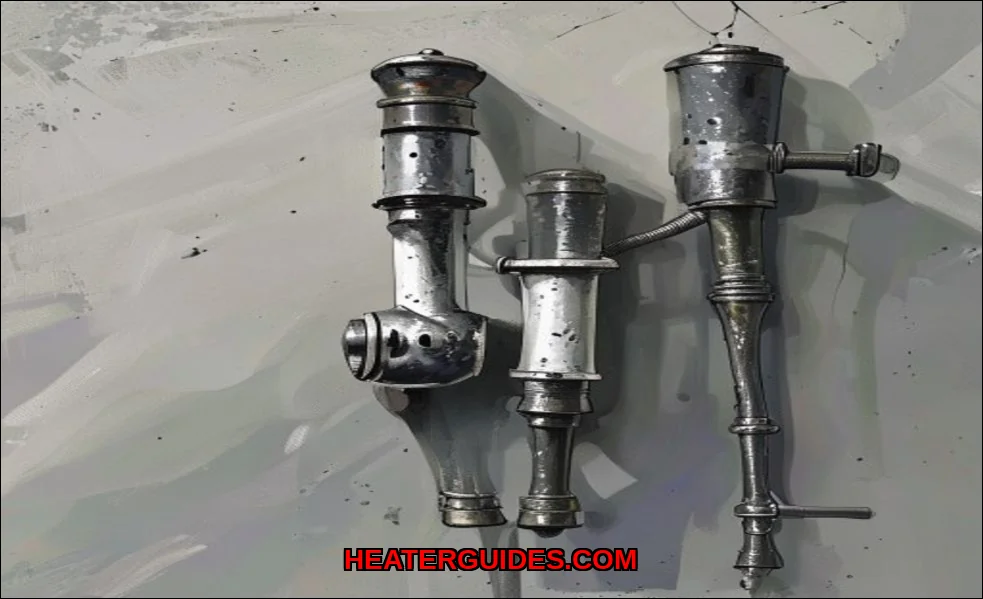
Think of the anode rod as your water heater’s first line of defense. It’s a metal rodusually made of magnesium rod or aluminumscrewed into the top of your tank. Through a process called electrolysis, it attracts corrosive elements in your water. These elements corrode the rod instead of the tank’s interior lining. This is why it’s called “sacrificial.”
Once the anode is fully depleted, those corrosive agents start attacking the tank itself. Replacing the rod is the single most effective thing you can do to extend your heater’s life. For this project, having the right tools is half the battle. Many professionals recommend using a product like the Skoutag RV Water testing kit to check your water’s hardness and sediment levels beforehand, as these factors drastically accelerate anode consumption.
Why Bradford White Anode Rods Are Particularly Challenging
Bradford White builds reliable water heaters, often with a focus on commercial-grade durability in residential units. This quality comes with design choices that complicate DIY service. Here are the core reasons that rod is hard to remove.
1. Superior Installation and Sediment Bonding
These units are often installed with great care, meaning the anode rod is torqued to precise specifications at the factory. Over years of heating cycles and sediment buildup, the rod chemically fuses to the tank’s internal threads. It becomes one with the fitting, making a simple unscrewing task a major feat of strength.
2. Physical Access Limitations
Finding the Bradford White water heater anode rod location is your first obstacle. Unlike some brands where it’s on the top, many Bradford White models have the anode rod threaded into the hot water outlet nipple on the side of the tank, near the top. This placement is often cramped, especially if your heater is in a closet or corner. You simply can’t get a long wrench or breaker bar onto it vertically.
3. The Dreaded Hex Head Design
This is a major pain point. Many Bradford White rods use a 1-1/16″ hex head. It’s a common size, but the problem is depth and clearance. The hex socket is often recessed, and the hot water pipe connected to the nipple limits swing space for a socket wrench. You might find the perfect anode rod wrench size, only to discover you can’t turn it more than a few degrees at a time.
4. Risk of Damaging Other Components
The anode rod port is often part of a combined fitting that includes the dip tube or the hot water outlet line. Applying excessive force to a stuck anode rod can twist or crack this vital plastic component inside the tank. A broken dip tube means cold water won’t be directed to the bottom, ruining your hot water supply. This risk makes many homeowners pause and ask, “can I replace Bradford White anode rod myself, or is this a job for a pro?”
Essential Tools and Preparation Before You Start
Going in unprepared guarantees failure. Gathering the right arsenal is non-negotiable. Heres what you need to have on hand before you even think about turning a wrench.
- Breaker Bar (at least 24″ long) and a Deep 1-1/16″ Socket: This provides the leverage you’ll desperately need.
- Pipe Wrench: A second, large pipe wrench may be needed to hold the hot water outlet nipple steady to prevent it from twisting.
- Penetrating Oil (like PB Blaster or Liquid Wrench): Soak the connection point for 24-48 hours before your attempt, applying it multiple times.
- Heat Source: A propane or MAP gas torch can help expand the metal fitting, breaking the corrosion bond. CAUTION: You must completely shut off the gas and water and drain the tank before applying heat.
- Safety Gear: Gloves, eye protection, and a bucket for any residual water.
Also, check your warranty terms. While anode rod replacement is standard maintenance, some interpretations of the warranty could be void if other components are damaged during the process. It’s worth a quick review of your manual. For insights on Bradford White’s build quality and how it compares, our analysis of Bradford White vs Rheem water heaters delves into these design philosophies.
Step-by-Step Removal Process for Stuck Rods
This is the moment of truth. Follow these steps methodically to maximize your chance of success with how to remove a stuck Bradford White anode rod.
Step 1: Complete Shut-Down and Drain
Turn off the power (circuit breaker) or gas supply to the heater. Shut off the cold water inlet. Connect a hose to the drain valve and empty the tank completely. An empty tank is safer and eliminates water pressure that can make turning harder.
Step 2: Apply Penetrating Oil and Heat
Locate the anode rod port. Liberally apply penetrating oil where the rod’s hex head meets the nipple. Wait. Reapply. The next day, if the rod is still stuck, you can carefully apply heat from a torch around the base of the hot water nipple. Heat the fitting, not the rod itself. The goal is to expand the outer metal to break the corrosion seal.
Step 3: The Strategic Attack with Leverage
Fit your deep socket and breaker bar onto the anode’s hex head. If space is limited, you may only get a few inches of swing. That’s okay. Use steady, increasing pressure. If it feels like you’re going to break something, stop. Sometimes, tightening the rod slightly first (a quarter-turn) can crack the corrosion seal, making it easier to then loosen.
Step 4: The “Last Resort” Two-Wrench Method
If the entire hot water nipple starts to turn, you must immobilize it. Use a second large pipe wrench on the hex flats of the nipple itself (usually 1-1/2″). Apply counter-force with this wrench while turning the anode rod with your breaker bar. This prevents the nipple and internal dip tube from twisting and failing.
When to Call a Professional Plumber
Knowing when to wave the white flag saves you money and prevents disaster. Call a pro if:
- The rod’s hex head begins to strip or round off, making grip impossible.
- The hot water outlet nipple shows signs of cracking or severe corrosion.
- You’ve applied maximum safe force and the rod won’t move. A plumber has industrial-grade tools and experience.
- You’re uncomfortable with applying heat or managing the significant physical force required.
- You discover your specific model (like some Bradford White MagnaForce series) has extreme access issues. Researching your specific model numbers with known access issues beforehand is wise.
A professional can often remove the rod without damage, or they have the parts and expertise to replace the entire nipple assembly if necessary. It’s a worthwhile investment compared to the cost of a new water heater.
Choosing a Replacement Rod and Final Tips
If you succeed, don’t just throw in any rod. Consider an upgrade. While Bradford White typically uses magnesium, you have options. A zinc/aluminum hybrid rod is excellent for homes with smelly water (sulfur bacteria) and can last longer in certain water conditions. You can explore detailed options in our guide to the best Bradford White water heater anode rod replacements.
When installing the new rod, don’t over-tighten. Use a good sealant tape or paste on the threads and hand-tighten plus a quarter to a half-turn with the wrench. There are no universal torque specifications for reinstallation, but “snug” is the goalyou’ll need to remove it again in 3-5 years. For a fantastic visual guide that complements these written steps, watch this detailed tutorial on removing a severely stuck water heater anode rod.
Replacing a Bradford White anode rod tests your patience and preparation. The challenge lies in their solid constructionthe very thing that makes the heater last. By understanding the access issues, gathering serious tools, and knowing your limits, you can decide whether this is a DIY victory or a job for a qualified technician. Either way, getting that fresh rod installed is a direct investment in years of reliable hot water. Your future self will thank you for tackling this tough but crucial piece of maintenance.
