

Deciding when to replace your HVAC system is a major home investment. It’s not just about comfort; it’s about timing the project for maximum benefit. The right schedule can save you money, reduce stress, and ensure your system performs flawlessly for years. For a temporary heating solution during a transition, many homeowners find portable options helpful. A product like the VIVOHOME 110V 13 can be a reliable stopgap while you plan your permanent installation.
Think of it like scheduling a major home renovation. You wouldn’t want the crew there during your biggest holiday party. The same logic applies to your heating and cooling installation. The season you choose impacts everything from contractor availability to the final price tag. Let’s break down why timing is everything.
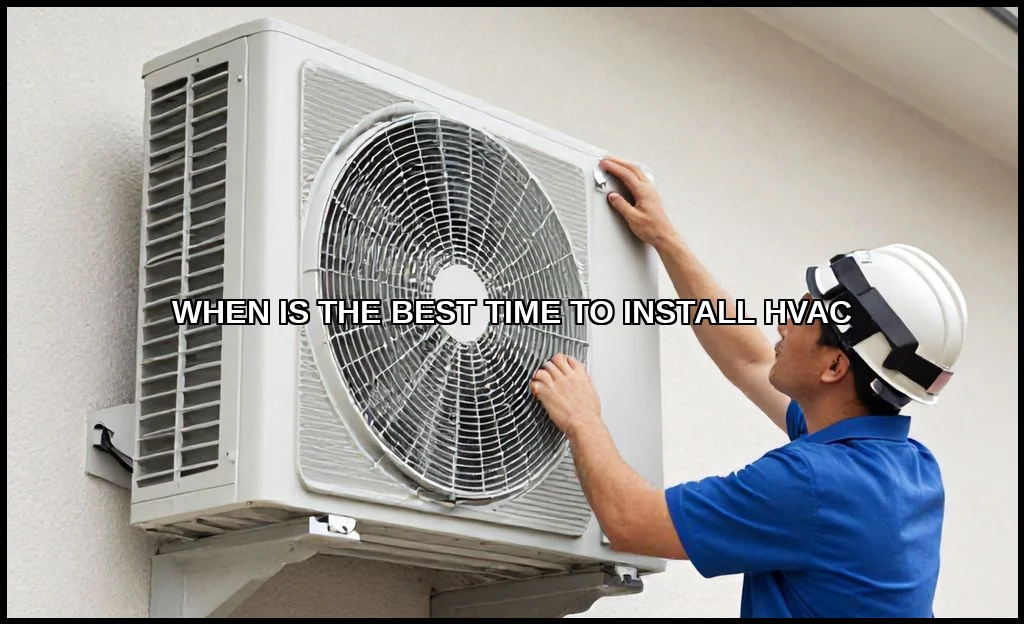
Why Timing Matters for HVAC Installation
Your HVAC system is the heart of your home’s climate control. Installing it at the wrong time can lead to rushed work, higher costs, and even system strain from day one. The core factors are weather, demand, and your own schedule. A system installed under ideal conditions will operate more efficiently from the start. This directly impacts your long-term energy efficiency savings.
Consider the contractor’s perspective. During peak summer heat or winter cold snaps, they are in emergency mode. Your project might be one of dozens. In contrast, during milder periods, they can give your installation the focused attention it deserves. This nuanced approach leads to better craftsmanship.
The Domino Effect of Poor Timing
Rushed installations can cause alignment issues, refrigerant charge errors, or ductwork problems. These aren’t always immediately apparent. You might discover them months later during extreme weather, when the system is under maximum load. That’s the worst possible time for a failure. Planning ahead avoids this cascade.
The Best Seasons: Spring vs Fall Advantages
The unanimous winner for the optimal HVAC installation period is the shoulder seasonsspring and fall. These windows offer the perfect blend of mild weather and lower demand. It’s the sweet spot for both quality and cost.
Spring: The Ideal Time for New Air Conditioner
Is spring a good time for a new AC unit? Absolutely. Installing your air conditioning in spring ensures it’s fully tested and ready before the summer furnace arrives. Contractors have more open slots. You avoid the summer rush and get first pick on scheduling. The moderate temperatures are also easier on the technicians and the equipment during setup.
- Proactive preparation for summer heat waves.
- Ample time for thorough system testing and calibration.
- Better HVAC contractor availability before the seasonal rush.
Fall: Prime Time for Furnace Replacement
Similarly, fall is the perfect counterpart for furnace work. Scheduling your furnace replacement time in early fall gives you a safety net before the first freeze. You won’t be left in the cold waiting for a part or an appointment. It’s also an excellent time to assess your overall system before heating season begins.
Many people ponder, “should I install HVAC in summer or winter?” The answer is usually to avoid both if you can. Summer and winter are peak seasons for breakdowns. Contractors prioritize emergency repairs over scheduled installations, which can delay your project. The weather itself can complicate the installation process, from working in extreme heat to navigating ice and snow.
Cost Considerations: Off-Season Savings & Incentives
This is where your wallet feels the biggest impact. The laws of supply and demand are fully in play. When demand is low, you have more leverage and access to promotions.
Understanding Off-Season Discounts
How does off-season HVAC installation save money? In the shoulder seasons, HVAC companies are eager to keep their crews busy. This often translates to significant off-season discounts on both equipment and labor. You might find special financing rates or bundled service packages. What month is cheapest to replace HVAC? Typically, late fall (after the cooling season but before deep winter) and early spring are your best bets.
| Season | Demand Level | Cost Implication | Contractor Scenario |
|---|---|---|---|
| Summer/Winter | Peak (High) | Premium Pricing, Fewer Promos | Emergency-Focused, Booked Solid |
| Spring/Fall | Off-Peak (Low) | Off-Season Discounts, Incentives | Focused on Installations, Flexible Scheduling |
Rebates and Tax Credits
Timing your purchase can also align with manufacturer rebates or federal/state energy tax credits. These incentives often roll out at specific times of the year to stimulate sales during slower periods. Your contractor should be up-to-date on these offers, which can shave hundreds off the cost of a high-efficiency unit. Always check an official source for the latest efficiency standards and potential savings.
Planning & Scheduling with a Professional
Once you’ve targeted a season, the real work begins. Don’t wait until the last minute. The best HVAC contractors are booked weeks, sometimes months, in advance even during the shoulder seasons.
Start the Conversation Early
Reach out for consultations in late winter for a spring AC install, or late summer for a fall furnace swap. This gives you time to get multiple quotes, understand your system options, and make a decision without pressure. A good contractor will perform a full load calculation for your home, not just recommend the same size unit you already have.
This is also the time to discuss your home’s specific needs. Maybe you need zoning, or want to integrate smart thermostats. For supplemental heat in rarely-used rooms, you might consider one of the best battery-operated space heaters as a flexible add-on, not a primary solution.
The Installation Day and Beyond
A professional install involves more than swapping boxes. It includes proper duct inspection, electrical work, and system commissioning. After installation, schedule a follow-up visit. The system should be checked after a few weeks of operation to ensure everything is performing optimally. This post-installation preventive maintenance is often included in a quality service.
Signs It’s Time to Replace, Not Just Repair
How do you know if you’re scheduling a replacement or just delaying the inevitable? Sometimes, a repair is the right call. Other times, you’re throwing good money after bad.
- Age: Most systems have a 10-15 year lifespan. If yours is in this range and failing, replacement is more cost-effective.
- Frequency of Repairs: If you’re calling for service more than once a year, the cumulative cost likely justifies a new system.
- Rising Energy Bills: Gradual increases often signal declining efficiency. A new unit can pay for itself in savings.
- Inconsistent Comfort: Rooms that are too hot or cold indicate a struggling system or duct issues.
- Excessive Noise or Dust: Strange sounds or poor air quality are major red flags.
If you’re facing a major repair on an old systemlike a compressor or heat exchanger failureit’s almost always the best season for HVAC replacement. Investing in a new, efficient model provides immediate comfort and long-term savings. While you plan, a reliable space heater from a list of the best space heaters at Walmart can provide targeted warmth.
The decision to replace your HVAC system is a strategic one. While emergencies happen, you hold the power to choose the most advantageous time. By targeting the spring or fall shoulder seasons, you secure better pricing, superior installation quality, and peace of mind. You give your new system the best possible start. Start planning your conversation with a contractor today, long before the weather turns extreme. Your future selfand your budgetwill thank you for it.

I am a mechanical engineer and love doing research on different home and outdoor heating options. When I am not working, I love spending time with my family and friends. I also enjoy blogging about my findings and helping others to find the best heating options for their needs.
Related guides
How HVAC Temperature Cycles Work & Save Energy
Your HVAC system doesn't run non-stop. It operates in a series of on-and-off periods called temperature cycles. This…

How Temperature Settings Impact HVAC Wear and Efficiency
Improper temperature settings can lead to increased HVAC wear by causing frequent cycling, reducing efficiency, and leading to…
Master HVAC Temperature Programming for Maximum Comfort & Savings
To program HVAC temperature settings, access the thermostat's menu, select the schedule option, and set desired temperatures for…
