

The best temperature for a heater is typically between 68°F to 72°F (20°C to 22°C) for comfort and energy efficiency.
Struggling to balance warmth and energy bills? You’re not alone. Setting your heater too high leads to skyrocketing costs, while a chilly home makes daily life uncomfortable. The right heater temperature can solve both problems—keeping you cozy without wasting energy.

AUBKN
AUBKN Space Heater, Portable Electric Heaters for…
- Adjustable Heating Settings: This portable heater offers three heating settings, including 700W, 1000W, and 1500W, allowing you to…
- Built-in Thermostat & Remote Control: This heaters for indoor use comes with a built-in thermostat that automatically maintains th…
- Safety Features: The ceramic space heater is equipped with essential safety features, including overheat protection and an automat…
In this guide, we’ll cover the ideal temperature range, factors affecting efficiency, and smart thermostat tips. Plus, learn how minor adjustments can save you hundreds annually.
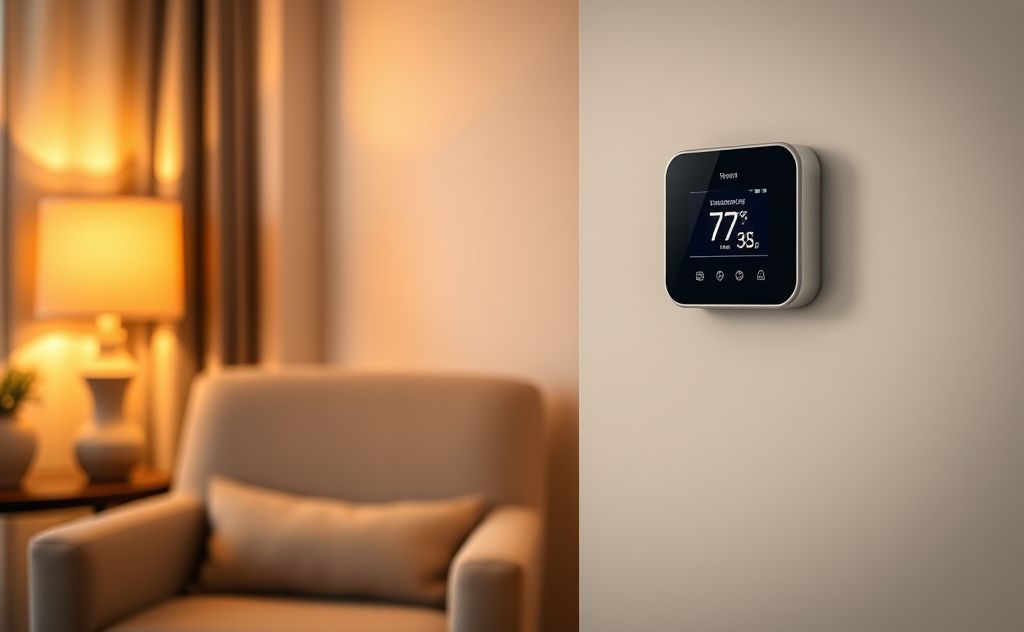
Key Takeaways
- 68-72°F (20-22°C) is optimal for comfort and energy savings.
- Lower temperatures by 7-10°F at night or when away to cut costs.
- Thermostat placement impacts accuracy—avoid kitchens and drafty areas.
- Smart thermostats automate adjustments, boosting efficiency by up to 10%.
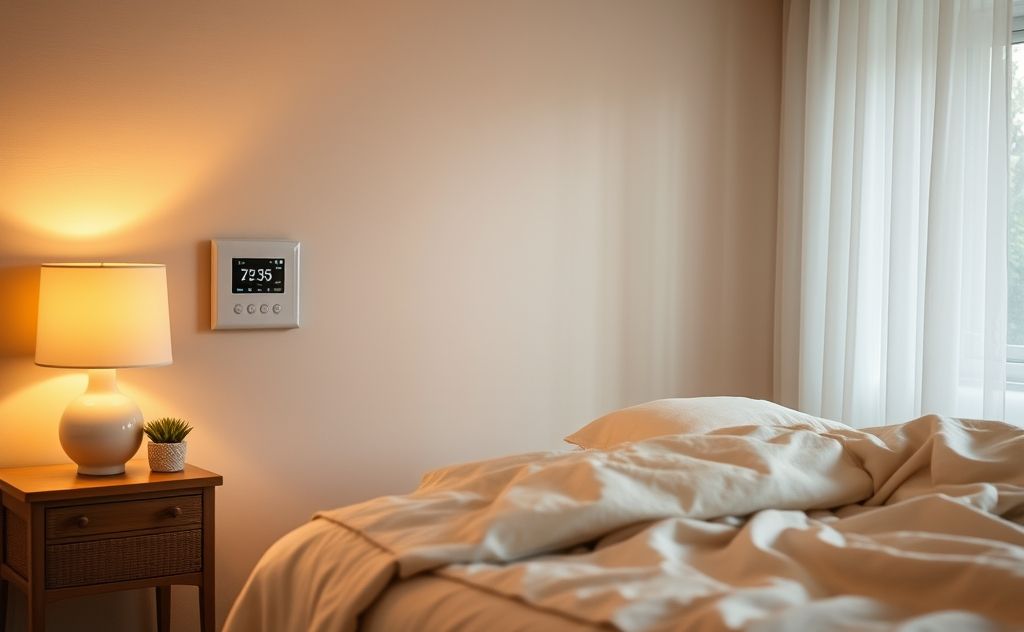
The Ideal Heater Temperature for Comfort & Savings
The best temperature for a heater depends on activity levels, insulation, and personal preference. However, studies by the U.S. Department of Energy and ENERGY STAR recommend 68°F (20°C) when awake and lower when sleeping or away. This range:
- Minimizes heat loss through walls and windows.
- Reduces strain on HVAC systems, extending their lifespan.
- Aligns with most people’s thermal comfort zone.
Adjustments for Different Scenarios
| Situation | Recommended Temp |
|---|---|
| Daytime (Home) | 68-72°F (20-22°C) |
| Nighttime | 62-66°F (16-19°C) |
| Away >4 hours | 60°F (15°C) |
How Thermostat Placement Affects Efficiency
A poorly placed thermostat can misread your home’s temperature, causing your heater to overwork. Follow these placement rules:
- Central location: Install on an interior wall, away from drafts.
- Avoid heat sources: Keep away from kitchens, sunlight, or vents.
- High-traffic areas: Ensures readings reflect lived-in spaces.
Smart Thermostats: The Future of Heating
Upgrading to a smart thermostat (like Nest or Ecobee) optimizes temperatures automatically. Benefits include:
- Learning schedules: Adjusts based on your routines.
- Remote control: Change settings via smartphone.
- Energy reports: Tracks usage to identify savings.
FAQ Section
Is 72°F too high for a heater?
While 72°F is comfortable, it may increase energy use by 3-5% compared to 68°F. Layer clothing or use blankets to offset lower temps.
Does lowering the thermostat at night really save money?
Yes! Reducing temps by 7-10°F for 8 hours can save up to 10% annually on heating bills.
Final Thoughts
Finding the best heater temperature is a blend of science and personal comfort. Stick to 68-72°F when active, lower it when asleep or away, and consider a smart thermostat for effortless savings. Small changes add up—both in coziness and cost reduction.
Related pick: Check today's price on Amazon

I am a mechanical engineer and love doing research on different home and outdoor heating options. When I am not working, I love spending time with my family and friends. I also enjoy blogging about my findings and helping others to find the best heating options for their needs.
Related guides

The Best Electric Space Heater for Cozy, Efficient Warmth
The best type of electric space heater is a ceramic heater, offering efficient heating, quick warm-up times, and…
Central Heating Boilers Rated Highest for Reliability
When winter’s chill creeps in, a reliable central heating boiler isn’t just a convenience—it’s a necessity. For those…
Best Alternative Heat For Your Home — Budget-Friendly Wins
Curious about the best alternative heat for your home? Compare smart, efficient options and pick the right system…
