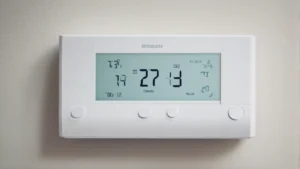
Mobile Apps for Smart Heater Control Systems
On this page 5 sections
Gone are the days of manually adjusting a dial or getting up to change the temperature. Modern heating is intelligent, putting control directly in your handliterally. Your smartphone is now the ultimate remote for your home’s comfort, connecting you to your heater from anywhere. This shift requires the right software: a smart thermostat app or a heater remote control app that acts as the bridge between you and your HVAC system.
Choosing the right application depends on your hardware and goals. Do you want simple scheduling, or full integration with your smart home’s voice commands? The answer lies in understanding app compatibility, features, and your mobile OS. For a seamless, budget-friendly entry into smart heating, many find the Check price on Amazon to be a compatible and reliable choice, especially for those already in the Alexa ecosystem.
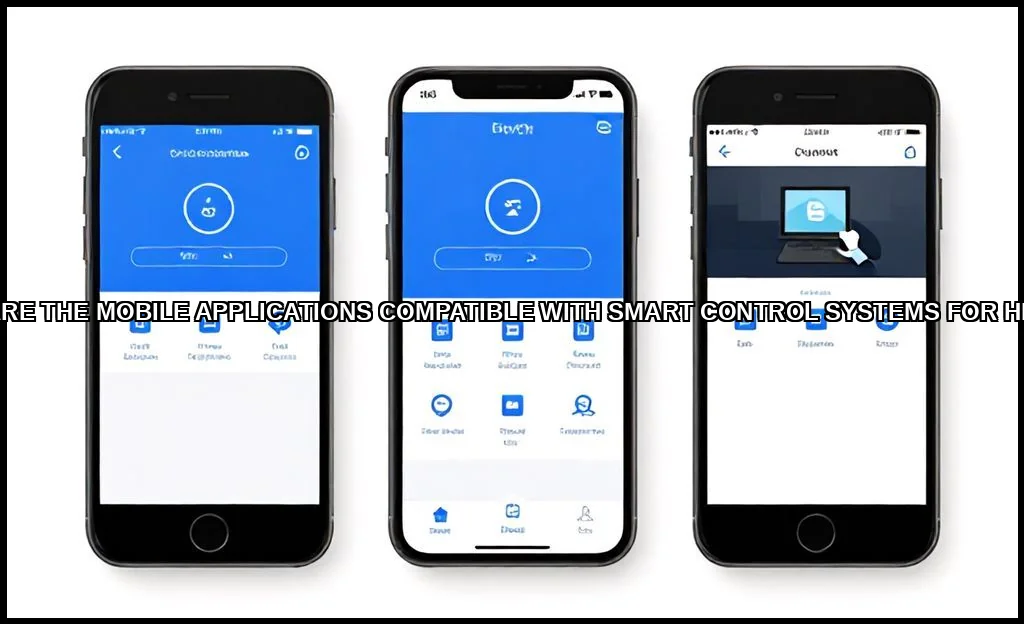
Popular Smart Thermostat Brands & Their Apps

Your heater’s brand often dictates which smart thermostat mobile app you’ll use. Most major manufacturers develop proprietary applications designed for deep integration with their hardware. This ensures features like firmware updates and advanced diagnostics work correctly.
Major Players and Their Platforms
Heres a breakdown of common brands and what to expect from their compatible heater control apps.
| Brand | Primary App Name | Key Compatibility Notes |
|---|---|---|
| Nest | Google Home | Nest devices now fully integrate into the Google Home app. It’s the central hub for control, schedules, and Energy History. |
| Ecobee | ecobee | A highly-rated app offering detailed scheduling, room sensor management, and smart recovery features. |
| Honeywell Home | Honeywell Home | Answers the common query: what app works with my Honeywell smart thermostat? It supports Total Connect Comfort for remote access. |
| Emerson Sensi | Sensi | Yes, there is an app for your Emerson Sensi thermostat. It’s known for its straightforward setup and clean interface. |
| Wyze | Wyze | Offers robust smart heating control application features at a very competitive price point within the Wyze ecosystem. |
Universal platforms also exist. Many WiFi thermostats can be added to broader smart home apps like Apple Home, Samsung SmartThings, or the Alexa app. This allows for cross-device scenes and routineslike having your lights and heater adjust simultaneously at sunset.
Key Features of Heater Control Applications
Not all HVAC control apps are created equal. When evaluating the best mobile app to control electric heater remotely, look beyond basic on/off functionality. The right features transform convenience into genuine efficiency and comfort.
What Makes a Great Smart Heating App?
- Remote Access & Geofencing: True remote control means adjusting your home’s temperature from the office or while traveling. Geofencing uses your phone’s location to automatically switch to an energy-saving mode when you leave and resume comfort as you return.
- Intuitive Scheduling: Daily and weekly schedules are standard. Advanced apps offer “smart” schedules that learn your patterns or allow different setpoints for multiple periods per day.
- Energy Usage Reports: Knowledge is power. Seeing your heating history and consumption data helps you make informed decisions to save money. The official source for energy savings, the U.S. Department of Energy, emphasizes the value of this data.
- Voice & Ecosystem Integration: Seamless compatibility with Google Assistant, Amazon Alexa, and Siri is non-negotiable for hands-free control. This answers questions like how to connect my heater to Google Home app.
- Alerts & Diagnostics: Get notifications for extreme temperature shifts (useful for pipe freeze warnings), filter change reminders, or system malfunctions. This proactive feature can prevent costly repairs.
The absence of these features might lead you to troubleshoot more often than you’d like. A capable app should simplify management, not complicate it.
Mobile OS Requirements: iOS and Android
Your phone’s operating system is the gatekeeper. Most modern smart thermostat apps are developed for both major platforms, but nuances exist. Always check the app store listing for the most current version requirements.
Finding the Right App for Your Phone
For iPhone users, search the App Store for a thermostat app for iPhone. You’ll typically need iOS 14 or later. Android users should look for a thermostat app for Android, often requiring Android 8.0 (Oreo) or newer. Developers prioritize these platforms, but support for older versions can fade over time.
Performance can vary. An app might feel snappier on one OS versus the other due to development resources. Reading recent user reviews in your respective app store is a smart movethey often highlight OS-specific bugs or praises.
Step-by-Step: Connecting Your Heater to a Mobile App
Let’s make it practical. Connecting your app-controlled thermostat isn’t usually complex, but following the correct sequence is vital. Heres a generalized guide that applies to most WiFi-enabled systems.
- Install the Physical Thermostat: Ensure your smart thermostat is correctly wired and mounted on the wall, powered on, and connected to your home’s WiFi network. The device’s own screen will guide this initial setup.
- Download the Official App: Go to your phone’s app store and download the manufacturer’s application (e.g., “Honeywell Home” or “ecobee”). Avoid third-party apps unless officially recommended.
- Create an Account: Open the app and create a user account. This account is your key to remote access and data syncing across devices.
- Add Your Device: In the app, find the “Add Device” or “Set up a new thermostat” option. You’ll likely scan a QR code on the thermostat or select your model from a list.
- Follow In-App Prompts: The app will walk you through naming your thermostat (e.g., “Upstairs Hall”), setting your location, and establishing basic schedules.
- Integrate with Smart Home Systems: Finally, link the app to your preferred ecosystem (Google Home, Alexa, etc.) using the “Works With” section in your smart home app. This unlocks voice control and automation.
If you hit a snag, the manufacturer’s support site is your first stop. The process for a dedicated good WiFi heater app should be similarly streamlined.
Troubleshooting Common App Connectivity Issues
Even the best systems can hiccup. If your smart heating app won’t connect or loses connection, don’t immediately blame the hardware. Often, it’s a simple network or software glitch.
Quick Fixes for a Disconnected App
- Restart Everything: The classic IT fix. Restart your phone, then your router, and finally the thermostat itself. This clears temporary caches and re-establishes network handshakes.
- Check WiFi Signal: Your thermostat might be in a WiFi dead zone. Test the signal strength at its location using your phone. A mesh network extender can often solve this.
- Verify App Permissions: Ensure the heater remote control app has permission to use your phone’s location (critical for geofencing) and background data.
- Update All Firmware: Outdated software is a common culprit. Check for updates to your phone’s OS, the smart thermostat app, and the thermostat’s own firmware within its settings menu.
- Re-link the Account: Sometimes, the connection between the app and the cloud service severs. Try logging out of the app and back in, or removing and re-adding the device in the app.
Persistent issues may require a deeper dive into your home network settings or a call to tech support. Remember, a stable home network is the unsung hero of any reliable smart home.
The world of smart heater control is about empowerment and efficiency. Finding the right mobile applicationwhether it’s a dedicated thermostat app for Android or a comprehensive system within Apple Homecenters on compatibility with your devices and your lifestyle. Focus on apps that deliver not just remote access, but insightful data and seamless integration with your other smart home gadgets. Start with your heater’s brand, ensure your phone’s OS is supported, and prioritize features that match how you live. Your perfect comfort setting is now, truly, in the palm of your hand.