
Waiting for hot water to travel from your tankless heater to the faucet can feel like an eternity. It wastes water and tests your patience. A recirculation pump solves this by keeping hot water in the pipes, ready for you. It’s a game-changer for convenience, but integrating one with a tankless system like Rheem’s requires specific know-how.
This isn’t a one-size-fits-all upgrade. Rheem tankless models have particular compatibility needs. For this project, many professionals recommend using a dedicated pump like the Watts Heat H2O recirculator, which is designed to work seamlessly with demand-controlled systems. Let’s break down how these systems work and what you need to know.
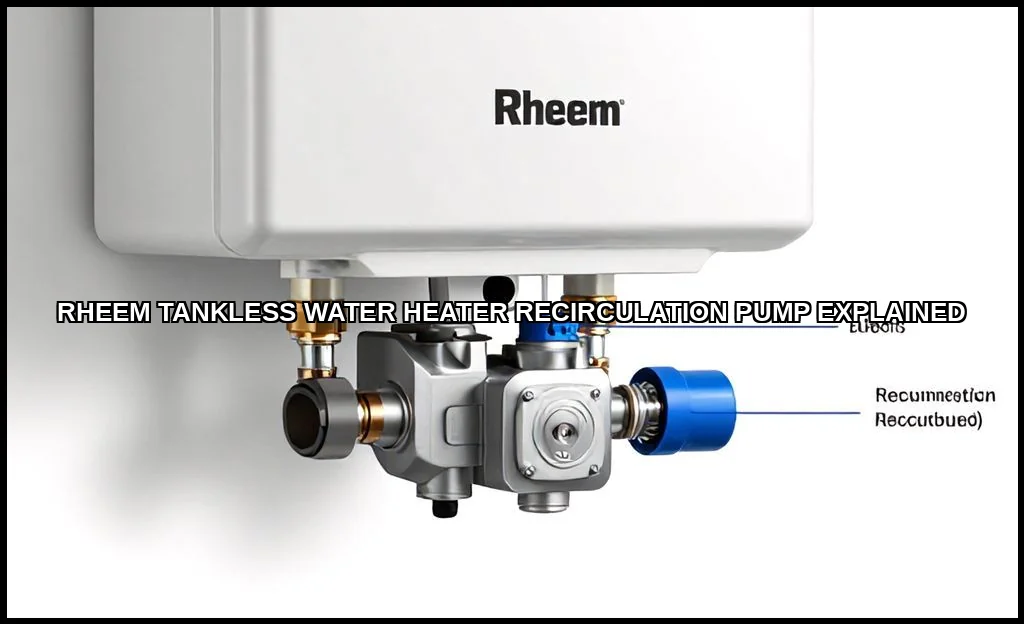
What is a Tankless Water Heater Recirculation Pump?
A hot water recirculation system creates a loop from your water heater to your fixtures and back. A small pump moves water through this loop, eliminating the wait time for hot water. Instead of running the tap until cold water clears, you get near-instant hot water. The core components are the water heater pump and a return patheither a dedicated return line or a clever use of your cold water line.
With tankless heaters, the logic changes. A traditional pump running constantly would force the tankless unit to fire non-stop, destroying efficiency. Modern systems use a demand-controlled recirculation method. The pump activates only when you signal a need for hot water, typically via a button, motion sensor, or timer. This balances immediate comfort with energy savings recirculation in mind.
How a Demand Control System Saves Water and Energy
The pump doesn’t run 24/7. You press a button at the sink, or a sensor detects motion. The pump activates, pulling cooled water from the hot line back to the heater and pushing fresh hot water out. Once the loop is hot, the pump shuts off. The heater only fires during this brief cycle. You save hundreds of gallons of water annually without the energy penalty of a constantly cycling unit. Smart, right?
Rheem-Specific Compatibility & System Types
Not every pump works with every Rheem model. You must check your unit’s manual. Most modern Rheem tankless gas heaters, like the popular Rheem RTGH series, are designed for recirculation. They often require an external pump and a specific Rheem crossover valve kit. This valve is installed under the farthest sink and allows the system to use the cold water line as the temporary return path.
Rheem offers its own Rheem tankless recirc kit for a streamlined solution. For integrated systems, the high-end Rheem Eternal Hybrid even has a built-in pump. Always verify Rheem RTGH compatibility before purchasing any third-party pump. Using an incompatible pump can trigger error codes or cause premature wear.
Two Main Recirculation Line Setups
- Dedicated Return Line: The gold standard. A separate pipe runs from the farthest fixture back to the heater. This setup is most efficient and is often found in new construction. It requires the pump and a check valve.
- Crossover Valve System: Uses existing cold water lines. A thermostatic crossover valve under the sink opens when the pump runs, allowing the cooled hot water to flow into the cold line and back to the heater. It’s more affordable for retrofits but can lead to briefly warm cold water.
Choosing between them often comes down to your home’s plumbing and budget. A dedicated return line offers peak performance but at a higher installation cost.
Step-by-Step Installation Guide & Considerations
How to install a recirculation pump on a Rheem tankless water heater is a common question. While we outline the process, remember local codes may require a licensed professional. This is especially true for gas line work. Heres a general overview of what the job entails.
Required Tools and Parts
- Compatible recirculation pump (e.g., Rheem kit or approved third-party like Watts)
- Rheem crossover valve (for retrofit applications)
- Pipe, fittings, and solder/thread sealant
- Electrical supplies for pump power
- Pipe cutter, wrenches, voltage tester
The Installation Process
- Turn Everything Off: Shut off gas, water, and electricity to the water heater. Relieve water pressure.
- Mount the Pump: Install the pump on the hot water outlet line from the heater, following manufacturer instructions for orientation.
- Install the Crossover Valve: For a retrofit, install the valve under the farthest sink, connecting the hot and cold lines.
- Create the Return Line: For a dedicated system, run the new pipe from the last fixture back to a tee on the cold water inlet before it enters the heater.
- Wire the Pump: Connect to a power source, often with a timer or demand switch integrated into the circuit.
- Program & Test: Purge air, set the control timer or switch, and test the system. Check for leaks and proper heater ignition.
Wondering about the cost to add recirculation to existing Rheem tankless? It varies wildly. A DIY retrofit with a kit might cost $300-$600. A professional installing a dedicated return line in an existing home can easily exceed $1,500-$2,000 due to the labor of running new pipe. Get multiple quotes.
Pros, Cons, and Efficiency Analysis
Is a recirculation pump right for you? Let’s weigh the tangible benefits against the potential drawbacks.
| Pros (The Benefits) | Cons (The Drawbacks) |
|---|---|
| Near-instant hot water at every faucet | Significant upfront installation cost |
| Major reduction in water waste (can save 10,000+ gallons yearly) | Adds a small amount of standby heat loss from the pipes |
| Increases overall convenience and home value | Potential for briefly warm cold water in crossover systems |
| Demand systems minimize energy impact | Adds another component that may require maintenance |
The True Efficiency Picture
The energy savings recirculation story is nuanced. You absolutely save the energy embedded in the wasted water (heating, treating, pumping it). But the pump uses electricity, and the system adds minor standby losses. With a properly configured demand system, the net effect is overwhelmingly positive. The comfort and water savings far outweigh the minimal energy trade-off. It’s an eco-upgrade that pays off.
For comparison, other brands like navien tankless heaters often have similar recirculation capabilities, sometimes with built-in pumps. It’s a competitive feature in the premium market.
Troubleshooting Common Recirculation Issues
Even well-installed systems can hiccup. Here are some frequent Rheem recirculation pump problems and solutions.
Pump Runs But Water Isn’t Hot
- Check the Crossover Valve: It might be stuck closed or installed incorrectly.
- Verify Pump Direction: The pump arrow must point toward the water heater on the hot line.
- Air Lock: Bleed air from the highest points in the loop.
Pump Won’t Turn On
- Power Source: Check the outlet, switch, and timer settings.
- Faulty Activation Switch: Test the button or motion sensor.
- Internal Pump Fault: Listen for a hum; if silent, it may need replacement.
Error Code on Rheem Unit
Rheem tankless heaters are sensitive to flow rates. An undersized or failing pump may not create enough flow to trigger the heater. Consult your manual for specific error codes. Often, the question does Rheem tankless require a special recirculation pump arises herethe answer is usually “a compatible one,” which often means one that provides sufficient flow pressure.
Remember, complex plumbing work sometimes reveals other issues. If you’re evaluating your entire system, it’s worth reading about how good Bradford White traditional tank heaters are for reliability, as a point of industry reference.
Making the Decision for Your Home
A recirculation pump transforms the tankless experience from “endless but distant” hot water to “immediate and endless.” The key is proper integration. Ensure pump compatibility, choose the right return line method for your house, and factor in both installation complexity and long-term savings. For the most accurate specifications and approved accessories, always check the manufacturer’s official source.
If your mornings are spent waiting at the sink, this upgrade is worth serious consideration. Its an investment in daily comfort, water conservation, and modern convenience. Just plan carefully, hire skilled pros if needed, and enjoy that instant hot water.
