
Most homeowners obsess over flow rates and temperature settings when installing tankless water heaters, but the real magic happens in the venting. Get that wrong, and even the most sophisticated unit becomes an expensive paperweight. I’ve seen perfectly good installations fail inspection because someone used the wrong vent material or misjudged clearance distances.
For anyone tired of cold showers and energy bills that feel like ransom notes, the Westinghouse APOLO Performance propane tankless heater offers a smart solution. With its 3/4″ NPT connections and straightforward indoor design, it bridges the gap between professional performance and DIY-friendly installation.
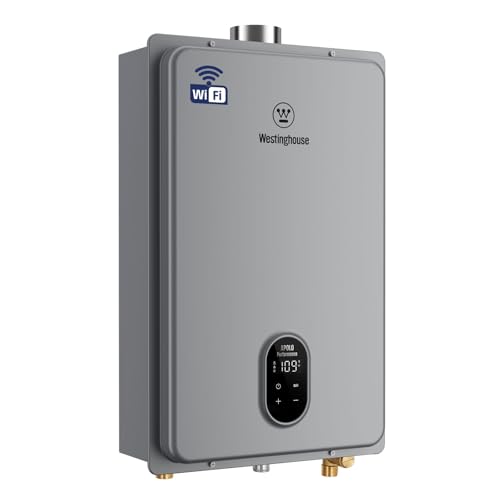
Why Your Old Water Heater Is Costing You More Than Money
Traditional tank heaters maintain 40-50 gallons of water at temperature 24/7. That’s like keeping your car running in the driveway all night in case you need to go to the store tomorrow. The energy waste adds up fast—typically 25-30% of your monthly utility bill.
Here’s what I mean: One client in Phoenix replaced their 15-year-old tank unit with a tankless system and cut their gas consumption by 28% within the first billing cycle. The upgrade paid for itself in under 18 months.
During a retrofit project last winter, we discovered the previous installer had used standard PVC for venting a high-efficiency unit. The heat had warped the piping enough to create a carbon monoxide risk. And yes, I learned this the hard way early in my career—always verify venting specifications against manufacturer requirements.
The Installation Framework That Actually Works
Successful tankless installations follow a simple three-phase approach: Pre-installation assessment, physical mounting and connections, and system commissioning. Skip any step, and you’re inviting problems.
Phase 1: The Pre-Installation Audit
- Check your gas line capacity (120,000 BTU requires adequate supply)
- Verify electrical access (needs 120V AC outlet)
- Measure water pressure (45-75 PSI ideal)
- Plan venting route (concentric or dual-pipe through wall/roof)
- Confirm local code compliance (permits usually required)
The Westinghouse unit’s 3/4″ NPT connections make plumbing straightforward, but that gas line requirement trips up more DIYers than any other issue. Bigger doesn’t always mean better when it comes to BTU ratings—an oversized unit can short-cycle, reducing efficiency and lifespan.
Mounting Reality: More Than Just Hanging a Box
I compare tankless installation to building a race car engine: precision matters more than brute force. A misaligned mounting bracket or over-tightened connection can create vibrations that lead to premature failure.
Use a digital manometer to verify gas pressure (typically 7-11 inches WC for propane). Invest in proper pipe dope specifically rated for gas applications. And for the love of hot showers, don’t reuse old flex lines—the internal diameter often can’t handle the flow demands of tankless units.
Here’s a quick comparison of what changes with tankless conversion:
| Component | Traditional Tank | Tankless Propane |
|---|---|---|
| Energy Factor | 0.60-0.65 | 0.82-0.90 |
| Space Required | 16-20 square feet | 2-4 square feet |
| Lifespan | 8-12 years | 15-20 years |
| Recovery Rate | 30-50 gallons/hour | 5.1 GPM continuous |
The Venting Variable Most People Miss
Condensing vs. non-condensing makes all the difference in venting materials. The Westinghouse APOLO is non-condensing, which means you’ll need AL29-4C stainless steel for venting—not the cheaper PVC used for condensing models.
Remember that time your bathroom mirror fogs during a shower? That moisture has to go somewhere with tankless units too. Proper venting doesn’t just exhaust combustion gases—it manages the entire moisture load of the system.
A Real-World Installation That Changed Everything
The Johnson residence had been struggling with a 50-gallon electric tank that couldn’t keep up with their teenager’s marathon showers. Their second-floor bathroom would run cold after 12 minutes, creating morning arguments that became family legend.
We mounted the Westinghouse unit in their utility closet, using existing gas and water lines with minimal modification. The 3/4″ NPT connections matched perfectly with their home’s plumbing. The direct vent system went through an exterior wall with 6 inches of clearance to any combustible materials.
The result? Unlimited hot water for simultaneous showers and laundry, with a 31% reduction in energy costs. The Wi-Fi control lets Mrs. Johnson adjust temperatures remotely when her parents visit—elderly skin being more sensitive to temperature fluctuations.
Could your current system handle house guests, laundry, and dinner cleanup all happening at once?
Myth-Busting: The “Instant” Hot Water Misconception
Tankless doesn’t mean instantaneous. There’s still a delay while cold water in the pipes clears. The Westinghouse unit heats water on demand, but physics dictates that water already in your pipes needs to move through first.
For faster hot water at fixtures farthest from the heater, consider a recirculation system or strategic installation location. The ±1°F temperature stability of the Westinghouse means no more sudden scalding or cold shocks when other water sources activate.
Think of it like upgrading from dial-up to fiber internet: the connection is dramatically better, but you still need quality hardware throughout the system to maximize performance.
Your Installation Toolkit Checklist
- Pipe wrenches (8″ and 14″)
- Digital manometer for gas pressure verification
- Two-channel thermometer for temperature validation
- Stainless steel vent kit (AL29-4C for this model)
- Gas leak detection solution (never use open flame)
- Teflon tape rated for gas applications
- Conduit for electrical connections if surface-running wire
The industry is moving toward integrated diagnostic systems—the Westinghouse LED display shows error codes that make troubleshooting straightforward. Last month, that feature helped me identify a blocked air intake in under three minutes instead of the usual hour of diagnostic work.
When to Call a Professional (Seriously)
If your gas line needs upgrading, venting requires complex routing, or local codes mandate licensed professionals for gas work—hire someone. The CSST safety guidelines alone have become stringent enough that improper installation can void your homeowner’s insurance.
Good contractors don’t just install equipment—they solve hot water problems. The best compliment I ever received was from a client who said “I don’t think about my water heater anymore—it just works.”
What’s Next for Your Installation Project
Start with a gas line capacity check—your utility company often provides this service for free. Measure your simultaneous hot water needs (how many showers, appliances, etc.). Verify electrical access near the planned installation location.
The Westinghouse APOLO’s self-modulating technology means it adjusts flame output based on demand, but proper sizing still matters. For most 2-3 bathroom homes, the 5.1 GPM capacity handles typical needs beautifully.
Your weekend project awaits. Just remember: measure twice, cut once, and never force fittings that don’t align naturally. The satisfaction of endless hot water makes the precision work worthwhile.
https://youtu.be/FzbtXh0qRLg
