

Thermostats in geothermal systems regulate temperature by sensing indoor conditions and adjusting the heat pump’s operation to maintain desired comfort levels efficiently.
Geothermal thermostats are the brains behind ultra-efficient ground-source heat pump systems. Unlike conventional HVAC controls, these specialized thermostats manage complex heat exchange processes while preventing costly auxiliary heat use.
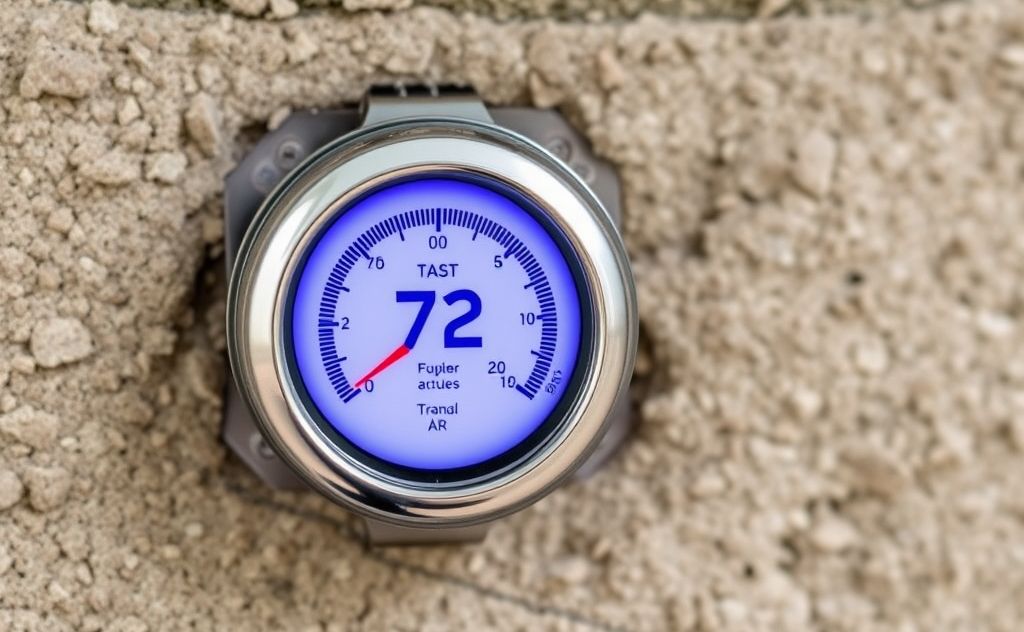
Geothermal Thermostat Core Functions
Geothermal thermostats perform three critical operations:
- Monitor ground loop temperatures via sensors
- Control compressor staging for optimal efficiency
- Manage auxiliary heat lockouts during extreme weather
Temperature Monitoring Precision
Advanced models like the WaterFurnace Premier thermostat use dual sensors to track:
| Sensor Type | Location | Purpose |
|---|---|---|
| Ground loop | Buried pipes | Measures earth temperature |
| Refrigerant | Heat pump unit | Monitors heat transfer efficiency |

Smart Thermostat Compatibility
While basic geothermal thermostats work, smart models add valuable features:
Geothermal-Specific Smart Features
- Weather-based anticipatory heating (DOE recommends this for geothermal systems)
- Auxiliary heat cost calculators
- Ground loop performance analytics
The Honeywell Prestige handles geothermal systems with special algorithms that prevent unnecessary supplemental heat use.
Installation Considerations
Professional Setup Requirements
Geothermal thermostats require:
- 24VAC transformer connection
- Ground loop sensor wiring
- Compressor staging configuration
- Auxiliary heat lockout settings
Common Installation Mistakes
According to IGSHPA technicians, these errors reduce efficiency:
- Incorrect ground sensor placement
- Overriding auxiliary heat lockouts
- Improper staging sequence setup
Advanced Control Strategies
Modern systems use these optimization techniques:
Demand Response Integration
Some utilities offer rebates for geothermal systems that:
- Shift load during peak periods
- Utilize time-of-use rates
- Participate in grid balancing programs
Zoned Geothermal Controls
Multi-zone systems require thermostats that can:
- Coordinate multiple air handlers
- Balance loop temperatures
- Prioritize high-demand zones
Proper geothermal thermostat operation can improve system efficiency by 15-25% compared to conventional controls, making them a critical component for maximizing renewable energy benefits.
Related pick: Check today's price on Amazon

I am a mechanical engineer and love doing research on different home and outdoor heating options. When I am not working, I love spending time with my family and friends. I also enjoy blogging about my findings and helping others to find the best heating options for their needs.
Related guides
How to Maintain Your Geothermal Heating System
Keeping your geothermal heating system running smoothly isn't complicated, but it does require a consistent approach. Think of…

Geothermal Heating Systems: Availability & Key Benefits – Expert Guide
You live in a cold climate. Your furnace runs constantly, and the bills climb higher each winter. Air…

How Geothermal Heat Exchangers Work: The Complete Guide
Heat exchangers in geothermal systems transfer thermal energy between the ground and fluid, efficiently heating or cooling buildings…
