

A fuse water heater uses a fuse to control the heating element, ensuring safe and efficient operation while providing hot water on demand.
A blown fuse can leave you without hot water when you need it most. Understanding your water heater’s fuse system helps prevent unexpected cold showers and potential damage to your unit.
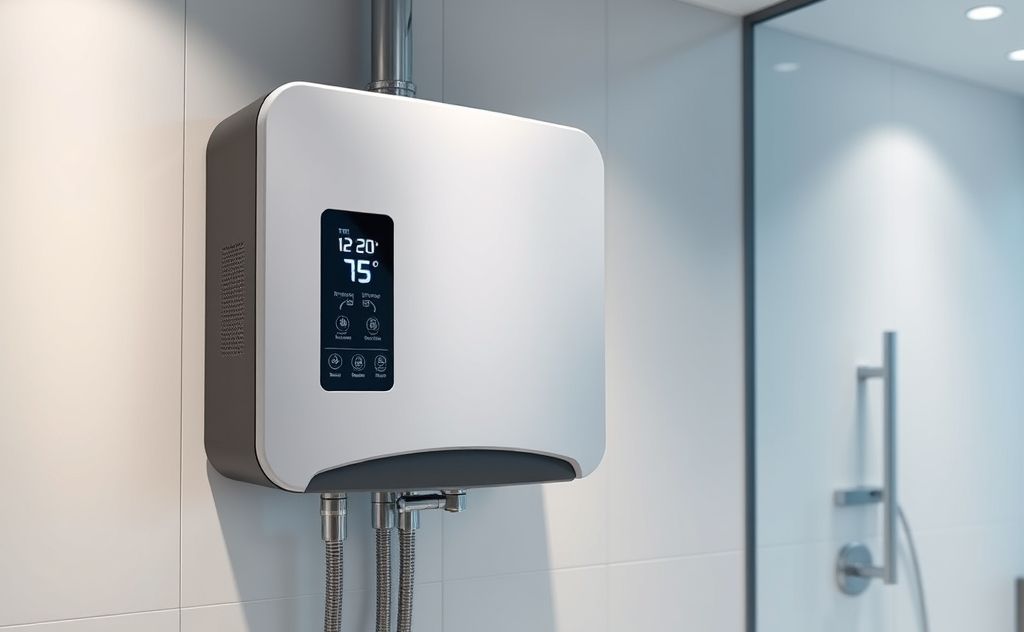
Why Water Heaters Need Fuses
Fuses protect water heaters from electrical surges and short circuits. They act as safety devices that break the circuit when current exceeds safe levels. Most residential water heaters use either 15-amp or 20-amp fuses, while RV water heaters often have smaller 2-amp fuses.
Common Fuse Locations
- Main electrical panel
- Near the water heater unit
- Behind the water heater control panel (especially in RVs)
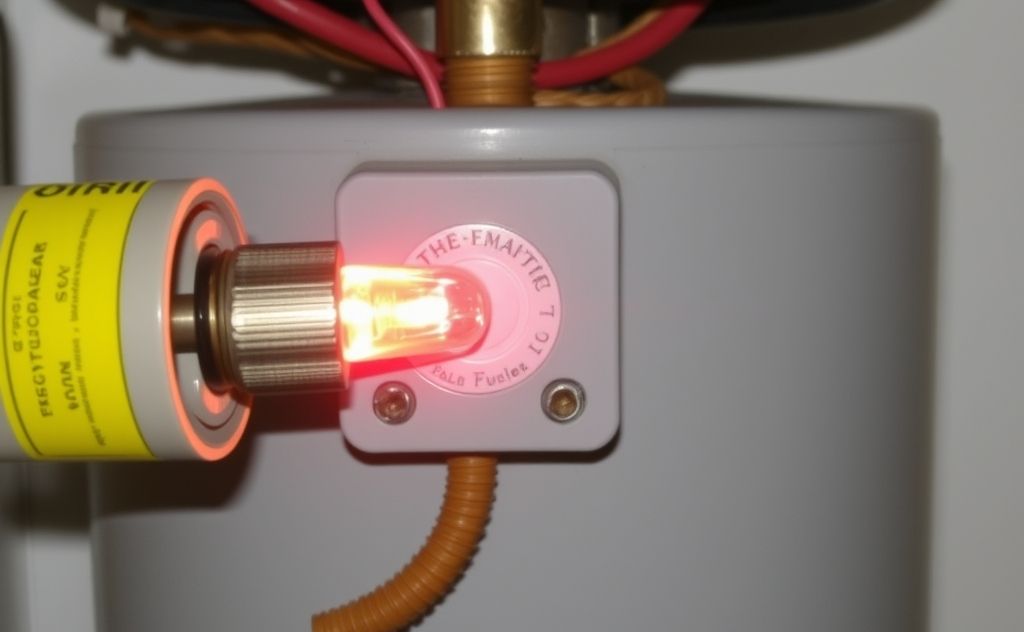
Signs of a Blown Water Heater Fuse
Watch for these warning signs that may indicate fuse problems:
- No hot water despite power being on
- Water heater won’t turn on
- Frequent circuit breaker trips
- Burnt smell near the unit
Why Water Heater Fuses Blow
Electrical Overload
When too many appliances run simultaneously, they can overload the circuit. This is common in RVs where multiple systems share power.
Faulty Heating Element
A damaged element can draw excessive current, causing the fuse to blow. This often requires specialized tools to diagnose and replace.
Short Circuit
Exposed wires or damaged insulation can create dangerous shorts. Always inspect wiring for damage when troubleshooting.
Ground Fault
When electricity escapes the circuit, it can trigger the fuse. This often indicates moisture problems in the electrical system.
Troubleshooting Steps
- Turn off power at the breaker
- Locate and inspect the fuse
- Check for visible damage or discoloration
- Test with a multimeter if available
- Replace with identical amperage fuse
RV-Specific Considerations
Many RV owners report fuse issues when switching between electric and gas modes. As noted on the Alliance RV Owners Forum, this can indicate wiring problems in the control circuit.
Preventive Maintenance Tips
| Maintenance Task | Frequency |
|---|---|
| Inspect fuses | Every 6 months |
| Check wiring connections | Annually |
| Test safety features | Before heavy use seasons |
When to Call a Professional
Consider professional help if:
- Fuses blow repeatedly
- You notice burning smells
- Water heater shows error codes
- You’re uncomfortable working with electrical systems
For complex HVAC systems, proper diagnostic equipment is essential for accurate troubleshooting.
Replacement Fuse Options
Always use manufacturer-recommended fuses. Common types include:
- Glass tube fuses (common in older units)
- Blade-style automotive fuses (typical in RVs)
- Circuit breakers (in some modern installations)
Amazon offers various replacement thermal fuses for specific water heater models.
Understanding Fuse Ratings
Using the wrong fuse can create fire hazards. Key specifications include:
- Amperage rating (must match original)
- Voltage rating (typically 120V or 240V)
- Response time (fast-acting vs time-delay)
Special Cases: RV Water Heaters
RV systems often have unique fuse requirements. The small 2-amp fuse mentioned in the owner’s forum protects the control board. This fuse can blow when:
- Switching between power sources
- Experiencing voltage spikes
- Having faulty control switches
“`

I am a mechanical engineer and love doing research on different home and outdoor heating options. When I am not working, I love spending time with my family and friends. I also enjoy blogging about my findings and helping others to find the best heating options for their needs.
Related guides

Rheem Water Heater Retrofit Kit Review: Upgrade 40-Gal Gas to 50-Gal Electric
Ready to upgrade? See how the Rheem water heater retrofit kit swaps your old 40-gal gas model for…
Easy Rheem Water Heater High-Limit ECO Reset Kit for Electric Models
Fix your Rheem water heater quickly with the high-limit ECO reset button kit designed for electric models. Simple…
Easy Rheem Water Heater Quick Connect Kit for Fast Repairs
Speed up your service calls with the Rheem water heater quick connect fitting kit designed for rapid replacement…
