You’re installing a new Bradford White water heater or troubleshooting an existing one. A common question pops up: do you need an expansion tank with it? The answer isn’t a simple yes or no. It depends entirely on your home’s plumbing system and local codes. Getting this right protects your investment and prevents costly damage.
Think of an expansion tank as a shock absorber for your plumbing. It manages the pressure increase caused by heating water, a process called thermal expansion. For this project, having the right equipment is key. Many professionals recommend using the EFIELD Water Heater for its reliable performance and compatibility with major brands like Bradford White.
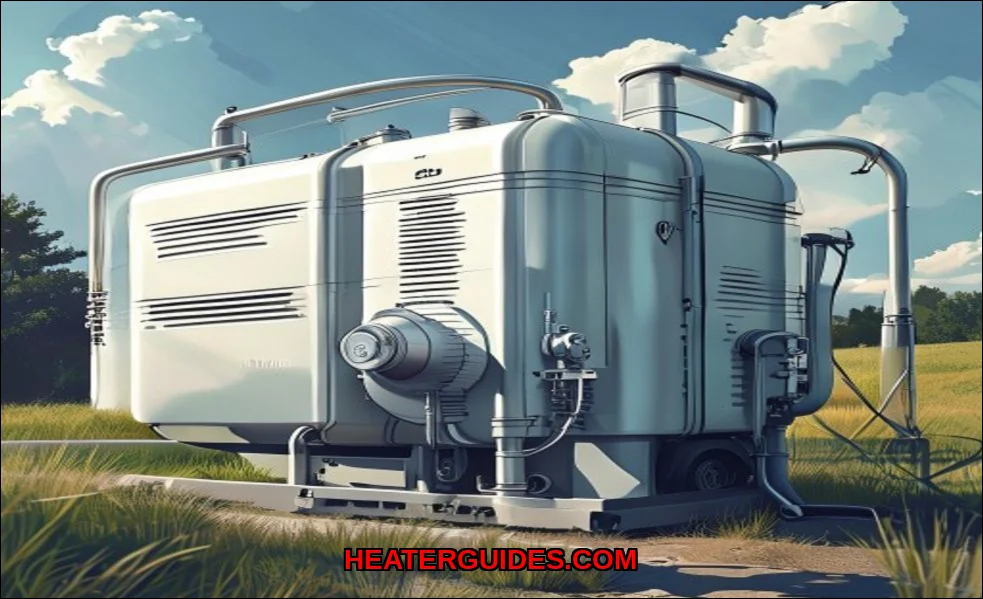
What is a Thermal Expansion Tank and Why It Matters
When water heats up inside your tank, it expands. In an open system, this expanded water can simply push back into the municipal supply. But most modern homes are closed systems. Devices like check valves, pressure reducing valves (PRVs), or backflow prevention devices stop water from flowing backward. This creates a sealed loop.
In a closed system, the expanding water has nowhere to go. Pressure builds. Your pressure relief valve (T&P valve) is the last line of defense, but if it opens repeatedly, it can fail or leak. An expansion tank provides a dedicated, safe space for this extra volume. It contains a rubber bladder and an air charge that compresses as the water expands, stabilizing the entire system’s water heater pressure.
The Risks of Unchecked Thermal Expansion
Ignoring this physics can lead to serious issues. Heres what happens without a needed expansion tank:
- Water hammer: That loud banging in your pipes when a faucet shuts off. Its caused by shock waves from suddenly stopped water flow, exacerbated by high pressure.
- Premature failure of the T&P valve, leading to constant dripping or flooding.
- Stress on water heater joints, connections, and the tank itself, shortening its lifespan.
- Increased strain on appliances like washing machines and dishwashers.
- Potential for leaks in fixtures and supply lines throughout your home.
Bradford White’s Official Stance on Expansion Tanks
Bradford White is clear in its documentation. While they engineer their heaters to be durable, they explicitly state that an expansion tank is required on all closed water systems. This isn’t a suggestionit’s a condition for proper operation and often for warranty validation. You can find this directive in the official Bradford White installation manual for your specific model.
Their position is rooted in physics, not opinion. The question “do Bradford White water heaters require expansion tanks” is answered by the system, not just the heater. If your home has any device that creates a closed loop, the answer is yes. This requirement is a key part of what makes Bradford White water heaters a reliable choice when installed correctly.
Warranty Implications You Should Know
This is a critical missing entity many guides overlook. Bradford White’s warranty may be voided if a required expansion tank is not installed on a closed system. If a tank fails due to excessive pressure from thermal expansion, and an inspector or technician finds no expansion tank present, your claim could be denied. Always check your specific warranty paperwork and follow the plumbing code and manufacturer instructions to the letter.
When an Expansion Tank is REQUIRED (By Code)
So, when is an expansion tank required for Bradford White? It’s mandated by most modern plumbing codes, including the International Plumbing Code (IPC) and Uniform Plumbing Code (UPC), whenever a closed system exists. You’re likely in a closed system if you have:
- A pressure reducing valve (PRV) on your main water line (common in homes with municipal water pressure over 80 PSI).
- Any type of backflow preventer or check valve, which may be required by your local water authority.
- A well system with a check valve on the pump.
The easiest way to check? Look at your main water shutoff valve where water enters your home. If you see a bell-shaped device (a PRV), you almost certainly need a tank. For absolute certainty, take a pressure gauge reading. Attach it to an outdoor hose bib or washing machine valve. Note the static pressure. Then run a hot water tap for a minute, shut it off quickly, and immediately watch the gauge. If the pressure spikes significantly (a 10+ PSI jump), you’re experiencing thermal expansion in a closed system.
Consequences of Not Installing an Expansion Tank
Skipping the tank to save a few dollars on installation is a classic false economy. The potential damage costs far more. You’re not just risking the water heater. You’re risking your entire home’s plumbing infrastructure.
Bradford White thermal expansion problems from an unprotected system often manifest as slow, expensive leaks. The constant pressure cycling fatigues solder joints, weakens pipe connections, and wears out valve seals. You might also hear that tell-tale water hammer more frequently, which is a clear sign of excessive pressure waves. Over time, this unmanaged stress is a leading cause of premature water heater failure, even on well-built units.
Specific Model Considerations
While the closed system rule is universal, it’s wise to consult the manual for your specific Bradford White model. Some high-efficiency or high-recovery models may generate more rapid heating cycles, making pressure management even more critical. The installation guide will have a dedicated section on water heater expansion requirements.
How to Properly Install an Expansion Tank on Your Bradford White Water Heater
Ready for a Bradford White water heater expansion tank installation? It’s a manageable DIY project if you’re comfortable with basic plumbing, but don’t hesitate to call a professional. Here’s a step-by-step overview.
Tools and Materials You’ll Need
- Properly sized expansion tank (2-gallon is common for residential 40-50 gallon heaters).
- Pipe wrench and adjustable wrenches.
- Teflon tape or pipe thread sealant.
- A tee fitting, if one isn’t pre-installed on your cold water inlet.
- A short pipe nipple.
- A pressure gauge to check system pressure before and after.
Step-by-Step Installation Guide
- Shut off power and water. Turn off the electrical breaker or gas supply to the water heater. Close the main cold water shutoff valve to the heater.
- Relieve pressure. Open a hot water faucet somewhere in the house and open the pressure relief valve on the water heater to drain down pressure.
- Determine location. The tank must be installed on the cold water line before it enters the heater. It should be supported and accessible, often mounted to a stud or with a supporting bracket.
- Check air charge. Before installing, use a tire gauge to check the tank’s pre-charge pressure. It MUST match your home’s incoming water pressure (typically 50-60 PSI). Adjust it with an air pump if needed. This is the most critical step for proper function.
- Install the tee. If your cold water inlet doesn’t have a dedicated port, you’ll need to install a tee fitting.
- Connect the tank. Use Teflon tape on the threads and screw the expansion tank onto the tee or dedicated port. Hand-tighten, then use a wrench for a final quarter-turn. Do not overtighten.
- Pressurize and test. Slowly open the cold water shutoff valve to fill the system. Check all connections for leaks. Turn the power back on to the water heater.
- Final verification. Once the heater has cycled, listen for reduced water hammer and monitor the T&P valve for any dripping.
Getting the expansion tank question right is non-negotiable for a healthy plumbing system. It’s not about the water heater brandit’s about the laws of physics and modern plumbing code compliance. For your Bradford White, the rule is straightforward: if you have a closed system, you need a tank. Check for a PRV or backflow preventer, verify with a pressure test, and install a properly charged expansion tank. This single step prevents noise, protects your warranty, and saves you from the headache of pressure-related failures down the line. Your water heater, and your entire plumbing system, will thank you for years to come.

I am a mechanical engineer and love doing research on different home and outdoor heating options. When I am not working, I love spending time with my family and friends. I also enjoy blogging about my findings and helping others to find the best heating options for their needs.
Related guides
Why Is My Water Tank Beeping? Troubleshooting Guide
It's 2 AM. You're half asleep, and somewhere in the utility closet, a steady beep is drilling into…

Top 5 Stiebel Eltron 4 Gallon Water Heater Picks You Didn’t Know You Needed
Cheap water heaters can disappoint—but Stiebel Eltron delivers unmatched performance. When it comes to reliable water heating, the…
Top 5 High Wind Vent Caps That Will Transform Your Water Heater Experience
A gust of wind. Pilot light out. Cold shower. A high-wind vent cap stops that. Here are the…