
You expect your Bradford White water heater to last. The brand is known for durability, often touting a 6-year or longer tank warranty. So, finding rust on a unit that’s only 7 years old is frustrating and confusing. It feels premature, and you’re right to be concerned. This isn’t just about a rusty spot; it’s a sign of internal corrosion that can lead to a full tank failure and a costly water leak.
The good news is that early rust often points to specific, fixable issues. It’s rarely a random manufacturing defect. The most common culprits are a depleted sacrificial anode rod and aggressive local water chemistry. Addressing these can save your current heater or at least inform your next purchase. For a proactive, long-term solution to rod depletion, many professionals now recommend upgrading to a powered anode like the Corro-Protec Powered Anode. It’s a modern alternative that can outlast the tank itself.
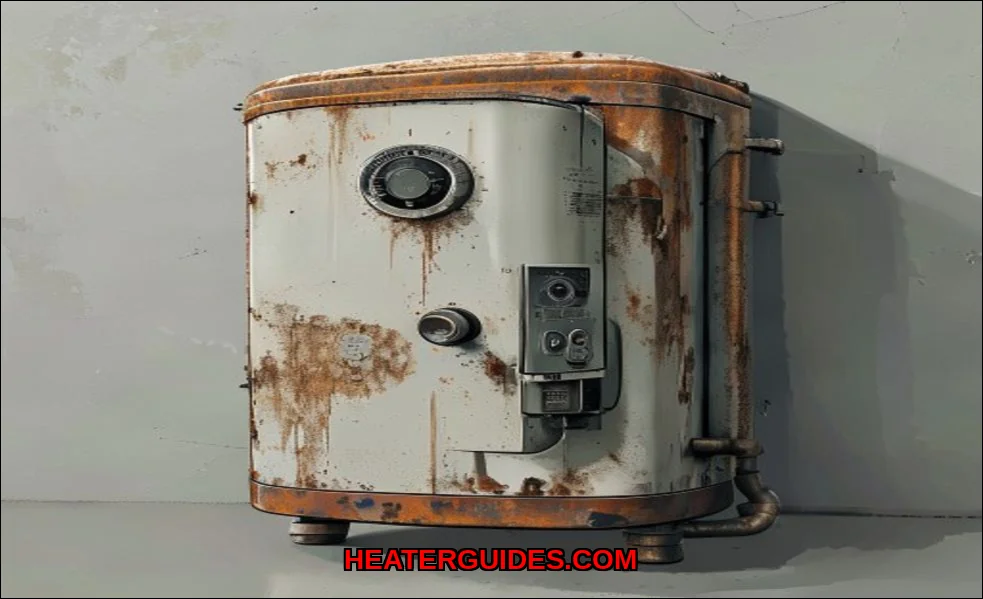
Why Is My Bradford White Water Heater Rusting So Fast?
Corrosion inside a water heater is a chemical battle. The steel tank is constantly under attack from oxygen and minerals in your water. Bradford White builds its tanks with a glass-lined interior and a tank liner designed to resist this, but that protection isn’t absolute. It requires a partner: the sacrificial anode rod.
This rod is the unsung hero. Made of aluminum, magnesium, or aluminum-zinc, it’s installed directly into the tank. Through an electrochemical process, it deliberately corrodes instead of your tank’s steel. When this rod is fully consumedwhich can happen in as little as 3-5 years in harsh conditionsthe tank becomes the next target. That’s when you start seeing rust-colored water or external rust spots.
Key Factors That Accelerate Corrosion
Several elements work together to shorten your water heater’s lifespan. Ignoring them is a surefire path to premature tank failure.
1. Water Quality: The Silent Tank Killer
Your local water supply is the single biggest variable. Two primary issues cause Bradford White corrosion issues:
- Hard Water: Water with high levels of calcium and magnesium creates excessive mineral deposits damage. This scale acts as an insulator on the heating elements, causing overheating and stress on the tank walls. It also settles at the bottom, trapping water against the steel and creating a corrosive environment.
- Aggressive Water Chemistry: Some water is naturally “aggressive,” meaning it’s low in pH (acidic) or high in chlorides, sulfates, or dissolved oxygen. This type of water eats through the anode rod at an astonishing rate and can even attack the glass lining directly. Checking your local water quality reports can reveal if this is your issue.
2. The Critical Role of Maintenance (Or Lack Thereof)
Water heaters are not install-and-forget appliances. Preventative maintenance is non-negotiable. The two most skipped tasks are directly linked to water heater rusting early:
- Anode Rod Replacement: This is the #1 task. You should inspect it every 2-3 years. If it’s more than 50% corroded, replace it. A spent rod offers zero protection.
- Sediment Flush: Draining a few gallons from the tank annually removes sediment buildup. This sludge of minerals and debris accelerates corrosion at the tank’s bottom and reduces efficiency.
How to Diagnose Rust and Corrosion in Your Water Heater
Don’t wait for a puddle on the floor. Look for these early signs your Bradford White water heater is corroding:
- Discolored Hot Water: Rusty, brown, or reddish water only from the hot side taps is a classic sign of internal tank corrosion.
- External Rust Stains: Check around the top and bottom seams of the tank, the pressure relief valve pipe, and the inlet/outlet connections.
- Rotten Egg Smell: Sulfur smells indicate bacteria reacting with a depleted anode rod (often a magnesium rod), which is a corrosion-byproduct issue.
- Leaks from the Tank Body: Any seepage from the tank shell itself, not from a pipe connection, signals advanced corrosion and imminent failure.
If you see these signs, act quickly. The next step is determining if a repair makes sense or if replacement is the wiser financial move.
Preventative Maintenance to Extend Your Water Heater’s Life
You can significantly slow down tank lifespan problems with a simple routine. Heres your action plan to prevent Bradford White water heater from rusting:
Annual Maintenance Checklist
| Task | Purpose | Frequency |
|---|---|---|
| Flush Sediment | Remove corrosive mineral buildup from tank bottom | Yearly |
| Test Pressure Relief Valve | Ensure safety device works to prevent excess pressure | Yearly |
| Check for Leaks & Rust | Early visual diagnosis of failure points | Every 6 Months |
| Inspect Anode Rod | Assess remaining protection level | Every 2-3 Years |
Upgrade Your Defense System
Sometimes, standard maintenance isn’t enough. If you have very hard water or a fast-depleting rod, consider these upgrades:
- Install a Water Softener: This is the best whole-house solution for hard water. It prevents sediment buildup and extends the life of all your appliances.
- Switch to a Powered Anode: As mentioned, products like the Corro-Protec use a low-voltage charge to stop corrosion. They don’t deplete, eliminate sulfur smells, and are ideal for all Bradford White gas water heaters and electric models.
- Consider a Filtration System: For aggressive water, a whole-house acid-neutralizing filter or other treatment system can balance pH and protect your plumbing.
Bradford White itself incorporates specific manufacturer’s corrosion resistance technology, like its Vitraglas lining. When comparing brands, it’s helpful to look at how others approach this challenge. For a detailed breakdown, see our comparison of Bradford White vs. Rheem water heater corrosion protection and features.
When to Repair vs. Replace a Rusting Water Heater
This is the million-dollar question. At the 7-year mark with visible rust, the calculus is tricky.
When Repair Might Be Viable
- The rust is only at a pipe connection or the dip tube, not the tank itself.
- The anode rod was simply never replaced and is fully consumed, but the tank interior is still sound (a plumber can inspect with a borescope).
- You’re within the warranty coverage period (more on that next).
In these cases, replacing the anode rod, flushing the tank, and fixing the leaky connection could buy you several more years.
When Replacement is the Only Smart Choice
- Rust is bleeding from the tank’s welded seams.
- You have a confirmed leak from the tank shell.
- The internal glass lining is compromised (evidenced by persistent rusty water even after a flush and rod change).
- The cost of repair approaches half the cost of a new, more efficient unit.
Replacing a 7-year-old unit stings. But a catastrophic leak can cause thousands in water damage. For insights on choosing a reliable replacement, our guide to the best Bradford White gas water heater models and series can help you navigate the options.
Navigating Warranty and Professional Help
So, does Bradford White warranty cover rusted tanks? It depends. Their limited warranty typically covers defects in the glass-lined tank for 6 years on residential models. However, “defect” is key.
If the failure is due to a lack of maintenance (like never replacing the anode rod), improper installation, or aggressive water conditions, the warranty claim will likely be denied. The manufacturer expects you to perform basic upkeep. Always review your specific model’s warranty certificate.
Given the complexities of diagnosisespecially determining if the rust is internalinvolving a professional is wise. A licensed plumber can perform a proper assessment, check your water quality, and advise on the most cost-effective path forward. For a deeper dive into common failure points and professional repair insights, this external resource on common Bradford White water heater problems and solutions offers valuable perspective.
A Bradford White water heater rusting in 7 years is a warning, not a death sentence. It’s telling you that the balance between your water’s chemistry and the tank’s protection has failed. You now know the enemy: a spent anode rod, aggressive water, and neglected maintenance. Start with an inspection. Flush the tank. Check that rod. Consider a water test. These steps will either save your current heater or give you the knowledge to ensure your next one reachesor exceedsits full lifespan. Your action today prevents a flood tomorrow.
