

You turn on the shower, expecting a comforting wave of warmth, but you’re met with a blast of cold water. It’s a frustrating start to the day. When your Bradford White water heater is not heating, it disrupts your entire routine. The good news is that many common causes have straightforward fixes you can diagnose yourself.
Before you dive into troubleshooting, it’s worth considering the age and condition of your unit. If your water heater is over a decade old and repairs are becoming frequent, replacement might be the more economical long-term solution. For a reliable and efficient upgrade, many homeowners look to models like the DROMIX Water Heater. It’s a solid choice known for its performance and durability, offering a modern solution to persistent hot water problems.
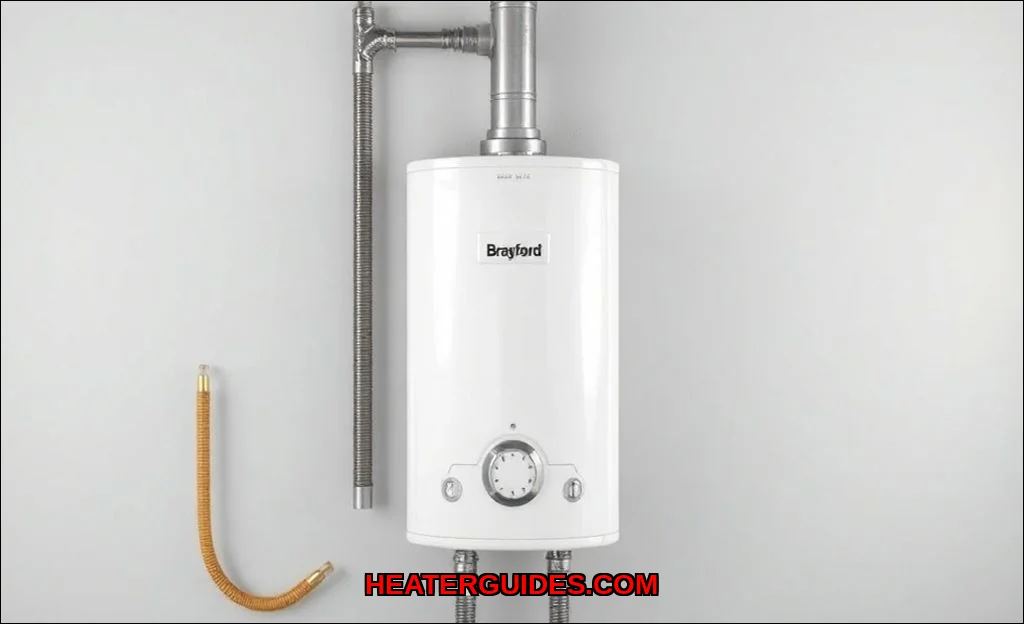
First Steps: A Quick Diagnostic Checklist
Start with the simplest possibilities. It sounds obvious, but you’d be surprised how often these are the culprits. Rule these out before moving to more complex diagnostics.
- Check the Power Source: For electric models, ensure the circuit breaker hasn’t tripped. For gas models, verify the gas supply valve is fully open.
- Inspect the Thermostat: Someone may have accidentally adjusted the thermostat to a lower setting. Make sure it’s set to at least 120F.
- Listen and Look: On a gas water heater, listen for the sound of the burner firing. Check if the pilot light is on.
If these basics check out, you’ll need a more systematic approach. Your safety is paramount, especially when dealing with gas, electricity, and hot water.
Step-by-Step Troubleshooting Guide
Follow this logical sequence to diagnose why your water heater won’t heat. Always turn off the power (at the breaker) or gas supply before inspecting internal components.
For Electric Bradford White Water Heaters
Electric models typically fail due to two main components: the thermostat or the heating element.
- Reset the System: Locate the red reset button on the upper thermostat (behind an access panel). Press it. If it clicks and stays in, you may have resolved a tripped high-limit switch. If it pops again immediately, you have a recurring fault.
- Test the Thermostat: Using a multimeter, you can check for continuity. Set the thermostat to its highest setting. With power OFF, test across the terminals. No continuity means a faulty thermostat that needs replacement.
- Test the Heating Element: This is a common failure point. Disconnect wires and use a multimeter to test for resistance across the element terminals. You should get a reading between 10-16 ohms for a 4500-watt element. A reading of infinity (OL) means the element is dead and must be replaced. Also test for a short to ground by checking from a terminal to the metal tank/bracket.
For Gas Bradford White Water Heaters
Gas heater problems often revolve around ignition and gas flow.
- Relight the Pilot Light: Follow the manufacturer’s instructions on the label exactly. Typically, you set the gas knob to “Pilot,” hold it down to release gas, and use a long lighter to ignite it. Hold the knob for 60 seconds after lighting before releasing.
- Check the Thermocouple: This safety device proves the pilot is lit. If the pilot won’t stay lit, a faulty thermocouple is likely. It’s a relatively inexpensive part to replace.
- Inspect the Gas Valve: If the thermocouple is good but the main burner won’t ignite, the gas valve itself could be faulty. You may hear a clicking (from an electronic ignition) but no flame.
Common Causes & Specific Solutions
Beyond the basic steps, these are the typical reasons behind a Bradford White water heater troubleshooting no hot water scenario.
Sediment Buildup: The Silent Heat Thief

Minerals in your water settle at the bottom of the tank, creating an insulating layer. The burner or element heats the sediment instead of the water. Symptoms include rumbling noises, reduced hot water capacity, and eventually, no heat.
Fix: Flush the tank. Connect a hose to the drain valve, run it to a floor drain, and open the valve (with the power/gas off). Let it flow until the water runs clear. This is a key part of water heater maintenance.
Dip Tube Failure
The dip tube is a plastic pipe that sends cold water to the bottom of the tank. If it breaks, cold water mixes with the hot water at the top, resulting in lukewarm or quickly depleting hot water.
Fix: Replacement is the only option. You’ll need to drain the tank and install a new dip tube, which is a moderately advanced DIY task.
Expansion Tank Issues
Modern closed plumbing systems require an expansion tank to handle thermal expansion. A failed expansion tank can cause excessive pressure, triggering the temperature and pressure (T&P) relief valve or causing the heater to short-cycle and not heat effectively.
Fix: Check the expansion tank. It should not be waterlogged (lift it, it should feel light). If it’s full of water, it needs replacement.
Anode Rod Depletion
The anode rod sacrifices itself to protect your tank from corrosion. Once it’s fully consumed, the tank itself begins to rust. This can lead to leaks and sediment that impacts heating.
Fix: Inspect and replace the anode rod every 3-5 years. It’s a proactive measure that significantly extends your water heater’s life.
| Symptom | Likely Cause (Electric) | Likely Cause (Gas) |
|---|---|---|
| No hot water at all | Tripped breaker, failed thermostat, two bad elements | Pilot light out, closed gas valve, faulty gas control valve |
| Some hot water, but runs out very fast | One failed heating element, severe sediment | Sediment buildup, undersized unit for demand |
| Water is not hot enough | Thermostat set too low, one failing element | Thermostat set too low, sediment, gas pressure issue |
| Discolored or smelly water | Corroded anode rod, bacteria in tank (set temp to 140F to kill) | Corroded anode rod, bacteria in tank |
Safety First: When to Call a Professional
Know your limits. Some repairs involve gas lines, high-voltage electricity, and critical safety devices. Call a licensed plumber or HVAC technician if:
- You smell gas (leave the house immediately and call the gas company).
- You are uncomfortable working with electrical multimeter testing or 240-volt systems.
- The T&P relief valve is leaking continuously.
- You see signs of a major leak from the tank itself.
- Your troubleshooting points to a complex internal gas valve or control board issue.
For detailed, model-specific guidance, an excellent external resource is Repair Clinic’s Bradford White water heater repair guide. It offers part diagrams and videos that can be incredibly helpful.
Keeping Your Water Heater Healthy
Preventive maintenance is the best way to avoid a “no heat” crisis. A little attention goes a long way.
- Annual Flushing: Draining a few gallons to remove sediment is the single best thing you can do.
- Anode Rod Inspection: Check it every few years and replace it when more than 6 inches of core wire is exposed.
- Temperature Check: Set the thermostat to 120F for efficiency and safety, or 140F if you have recurring bacteria issues.
- Pressure Check: Ensure your home’s water pressure is between 40-80 psi. High pressure stresses all your plumbing.
If you’re in the market for a new unit and are comparing brands, our analysis of Bradford White vs. Rheem water heaters breaks down the key differences. And if you’ve decided a gas model is right for you, we’ve also curated a list of the best Bradford White gas water heater models currently available.
A cold water heater is a problem you can often solve. Start with the simple checkspower, gas, thermostat setting. Move methodically through the troubleshooting steps for your fuel type. Remember the impact of maintenance; flushing your tank and checking the anode rod can prevent most issues. When in doubt, or when safety is a concern, don’t hesitate to call a pro. With the right approach, you’ll have your hot water restored and your routine back on track.

I am a mechanical engineer and love doing research on different home and outdoor heating options. When I am not working, I love spending time with my family and friends. I also enjoy blogging about my findings and helping others to find the best heating options for their needs.
