Noticing your Bradford White water heater only produces lukewarm water can be frustrating. It disrupts your daily routine and leaves you wondering about the cause. The good news is that many common temperature problems have straightforward solutions you can check yourself. This guide will walk you through a calm, step-by-step process to diagnose and potentially fix the issue.
Before you begin, its wise to gather a few basic tools: a non-contact voltage tester, a multimeter, and a garden hose. For tasks like adjusting the thermostat or checking a heating element, having a reliable reference can be helpful. Many professionals and DIYers find a comprehensive guide like the EWH-00 Water Heater manual useful for clear diagrams and specifications.

Why Your Bradford White Water Heater Produces Lukewarm Water
Several factors can lead to your hot water heater not delivering the heat you expect. The issue could be a simple setting, a worn component, or a maintenance need. Common culprits include incorrect thermostat settings, a failed heating element, a broken dip tube, or sediment buildup. Newer models, like those in the M-I or Defender Series, may also display error codes that point to specific temperature problems. We’ll explore each possibility systematically.
Step 1: Check and Adjust the Thermostat Settings
This is always the first and easiest step. Your Bradford White has one or two thermostats that control the water temperature. Sometimes they are accidentally adjusted or reset to a lower setting.
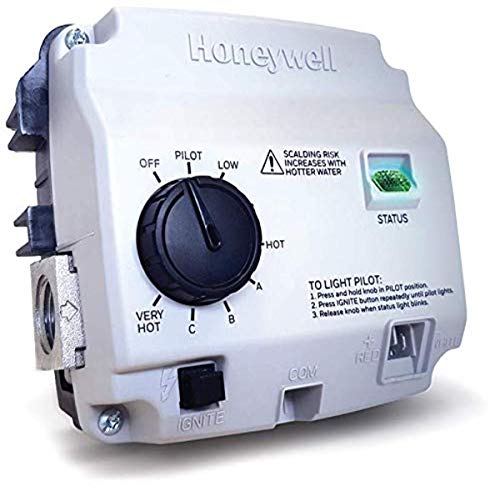
- Locate the Access Panel(s): For electric models, you’ll find panels on the side of the tank. Gas models have a single control knob near the bottom.
- Turn Off Power: At your home’s circuit breaker, switch off the power to the water heater. This is non-negotiable for safety.
- Check the Setting: Remove the panel(s) and insulation. Use a flat-head screwdriver to check the thermostat dial. The recommended setting is typically 120F (49C) to balance efficiency and prevent scalding.
- Adjust if Needed: If it’s set lower, carefully turn it to 120F. Replace the insulation and panel, then restore power. Wait a few hours and test the water.
If your water is not heating after this, or you have a dual-element system, you may need to ensure both thermostats are set identically. A significant difference can cause water not hot enough. For a deeper dive into Bradford White water heater troubleshooting, including Bradford White temperature control, a resource like Repair Clinic’s detailed Bradford White troubleshooting guide can be invaluable.
This article is part of our bigger Bradford White Water Heater Troubleshooting & Repair Guide hub.
Step 2: Inspect for a Faulty Heating Element
Electric Bradford White heaters have one or two heating elements that warm the water. If one fails, you might get some warm water, but not enough, especially if it’s the upper element. Here’s how to test them.
- Safety First: Confirm power is OFF at the breaker with a voltage tester.
- Access the Elements: Remove the access panels and insulation. You’ll see the elements mounted in the tank.
- Test for Continuity: Disconnect the wires. Set your multimeter to the ohms () setting. Place one probe on each screw terminal of the element. A reading between 10-16 ohms is normal. A reading of infinity (OL) means the element is dead and needs replacement.
- Check for Ground: Place one probe on a terminal and the other on the metal tank or element bracket. You should get no reading (OL). Any continuity indicates a shorted element.
Replacing a heating element is a common repair. If you’re unsure about your model’s specifics, reviewing a comparison like Bradford White vs. Rheem water heater features can highlight design differences that might affect part access.
Step 3: Examine the Dip Tube for Damage
The dip tube is a plastic pipe inside the cold water inlet. It directs incoming cold water to the bottom of the tank to be heated. If it cracks or disintegrates, cold water mixes with the hot water at the top, resulting in lukewarm water after a shower.
- Symptom: Water starts hot but quickly turns lukewarm.
- Inspection: This usually requires shutting off water and power, draining the tank partially, and disconnecting the cold water line to visually inspect the tube.
- Solution: A damaged dip tube must be replaced. It’s a relatively inexpensive part.
In gas models, also inspect the cross-over tube. This component helps direct flue gases and can affect heating efficiency if compromised.
Step 4: Flush the Tank to Remove Sediment
Mineral sediment (hard water scale) naturally settles at the bottom of the tank. Over time, this layer insulates the water from the heat source, causing the heater to work harder and produce less hot water. A regular sediment flush is key maintenance.
How to Flush Your Water Heater:
- Turn off the power (or gas) to the heater.
- Connect a garden hose to the drain valve at the base of the tank. Route the other end to a floor drain or outside.
- Open a hot water faucet in your home to allow air into the system.
- Carefully open the drain valve. Allow water to flow until it runs clear, closing the valve briefly if the flow is sluggish to stir up sediment.
- Close the drain valve, remove the hose, refill the tank by turning the cold water supply back on, and restore power once water flows steadily from the open hot faucet.
This process can often resolve issues of water heater lukewarm output. It’s also a good time to check the anode rod, which protects your tank from corrosion and should be replaced if heavily depleted.
When to Seek Professional Help
While many fixes are DIY-friendly, some situations require a licensed plumber. Your safety is paramount.
- Gas Line or Venting Issues: If you smell gas or suspect a problem with the burner assembly, gas valve, or flue, call a professional immediately.
- Complex Electrical Work: If you’re uncomfortable testing or replacing thermostats and elements.
- Leaking Tank: Internal tank corrosion is not repairable and means the unit needs replacement.
- Persistent Problems: If you’ve checked the thermostat, elements, and dip tube and the problem continues.
- Testing the TPR Valve: The temperature-pressure relief valve is a critical safety device. If it’s leaking or faulty, a professional should handle the replacement.
Knowing how good Bradford White water heaters are in terms of durability can help inform whether repair or replacement is the most cost-effective long-term decision.
Additional Considerations for Specific Models
Modern Bradford White units often have advanced diagnostics. If your model has a digital display, note any error codes. A code like “E” or a flashing light can indicate specific sensor or ignition faults, moving your Bradford White water heater troubleshooting in a more precise direction. Refer to your model’s manualoften found online using your serial numberfor code interpretation.
Also, consider the age of your unit. If it’s nearing or past its typical 10-12 year lifespan and experiencing repeated issues, investing in a new, more efficient model may be wiser than continual repairs.
Dealing with a Bradford White water heater that’s not getting hot enough is a manageable problem. Start with the simple checks: verify your thermostat settings and consider a sediment flush. Move to inspecting the heating element and dip tube if needed. Approach each step patiently and prioritize safety above all. Most often, one of these steps will restore your hot water. If not, you’ll have valuable information for a professional, making their job quicker and your solution clearer. Consistent, simple maintenance is the best way to prevent temperature problems in the future.

I am a mechanical engineer and love doing research on different home and outdoor heating options. When I am not working, I love spending time with my family and friends. I also enjoy blogging about my findings and helping others to find the best heating options for their needs.
Related guides

Condensing vs Non-Condensing Tankless Heaters: Key Differences
Condensing tankless heaters are more energy-efficient as they utilize exhaust heat to preheat incoming water, while non-condensing models…
Rheem Water Heater Sediment Sensor Kit: Must-Have Alert Tool
Stay ahead of water heater issues with the Rheem sediment sensor kit that sends automatic alerts when flushing…
Best Tankless Water Heater for Well Water in 2026
Find the best tankless water heater for well water. Our picks handle hard water & low pressure for…