

Finding water around your Bradford White heat pump water heater can be unsettling. It’s a sign something needs attention, but it doesn’t always mean a catastrophic failure is imminent. The key is a calm, methodical approach to identify the source.
For many homeowners, a simple tool like the Watts Heat H2O can be invaluable during this process. It’s a non-toxic, easy-to-use leak detection fluid that helps you quickly distinguish between harmless condensation and a more serious water heater leak. A small drop at a suspected point will bubble if there’s an active leak, saving you time and guesswork.
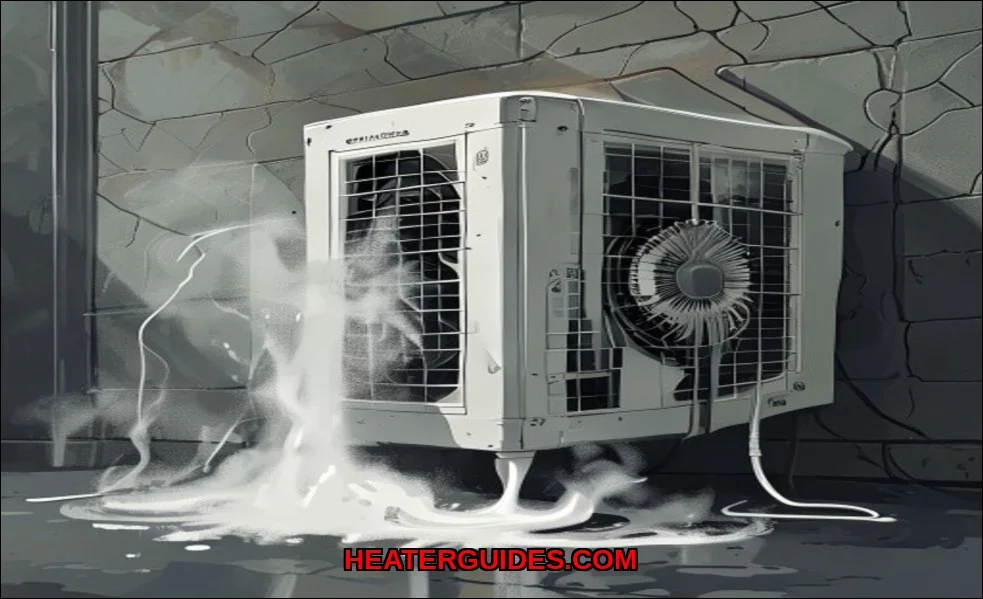
Understanding Heat Pump Water Heater Leaks
Hybrid water heaters like the Bradford White models operate differently than standard electric units. They have two main components: a traditional storage tank and a heat pump unit on top. This dual system means potential leak sources can come from either part. The good news is that many leaks are minor and fixable.
Your first task is to determine if the moisture is from a leak or normal operation. Heat pumps work by extracting heat and moisture from the air, which creates condensation. This water is typically routed out through a condensate drain line. If this line is kinked, clogged, or disconnected, you’ll see water around the base. This is often mistaken for a tank leak.
Step-by-Step Leak Diagnosis
Follow these steps to safely pinpoint where the water is coming from. Always ensure the unit’s power is switched off at the circuit breaker before any close inspection.
- Dry the Area: Completely wipe down the tank, the base, and the floor around it with a towel.
- Locate the Source: Place a dry paper towel or tissue at suspected points. Check the most common areas first:
- Around the temperature and pressure relief valve (TPR valve) on the side of the tank.
- At the pipe connections on top of the heat pump unit.
- Underneath the drain pan that the unit sits in.
- From the drain valve at the bottom of the storage tank.
- Along the seams of the tank itself.
- Monitor and Identify: Wait a few hours or overnight. Check which paper towel is damp. The location of the wet towel will tell you exactly where the issue originates.
Common Causes of Early Failure and Leaks
When a Bradford White hybrid water heater shows signs of premature Bradford White heat pump failure or persistent leaking, several factors are often at play. Addressing these can extend your unit’s life significantly.
This article is part of our bigger Bradford White Water Heater Troubleshooting & Repair Guide hub.
Installation and Environmental Factors
Even a well-built heater can fail early if installed incorrectly. The heat pump component needs ample airflowtypically at least 750 cubic feet of clear space. Installing it in a tight closet or a very cold space (below 40F) forces it to work harder, leading to stress and potential corrosion issues or component failure. Always refer to the installation manual for specific clearance requirements.
Component-Specific Failures
Leaks often stem from specific, replaceable parts rather than the entire tank failing.
- Condensate Drain Line Issues: This is the most common source of “water around base.” Algae or mineral buildup can clog the small tube. Simply detach it and flush it with vinegar or water.
- Pressure Relief Valve (TPR Valve) Leak: A Bradford White water heater leaking from pressure relief valve is a safety feature responding to excessive temperature or pressure. A constant drip may mean the valve is faulty, or your home’s water pressure is too high (above 80 psi).
- Drain Valve Leak: The plastic or brass valve at the tank’s bottom can loosen or its washer can degrade. Tightening it slightly or replacing the washer often solves this.
- Internal Tank Corrosion: This is a more serious cause of leaking from bottom. It can be accelerated by a depleted anode rod or highly corrosive water. Once the tank itself corrodes through, replacement is usually necessary.
It’s worth noting that while Bradford White has a strong reputation for durability, understanding how good Bradford White water heaters are involves looking at their specific construction and warranty, which can be reassuring when facing a problem.
Repair Solutions and When to Call a Pro
Some fixes are straightforward DIY projects. Others require a licensed professional to maintain your warranty coverage and ensure safety.
Actions You Can Take
- Unclog the Condensate Line: Disconnect the flexible tube from the pump and flush it. Reconnect it securely, ensuring it drains into a suitable floor drain.
- Tighten Inlet/Outlet Connections: Use a wrench to gently tighten the water pipe fittings on top of the tank. Do not overtighten.
- Check the Drain Pan: Ensure the safety pan under the unit isn’t cracked and that its drain line is clear. A drain pan overflow is a clear warning sign.
- Test the TPR Valve: Lift the valve’s test lever briefly to allow a burst of water out. It should snap back and stop flowing. If it continues to drip, the valve likely needs replacement.
When to Contact a Professional Plumber
Call for service if you observe any of the following:
- Water actively leaking from the tank’s welded seams or a apparent crack.
- The leak persists after addressing the condensate line and pipe fittings.
- You see error codes on the heat pump unit’s display (common on models like the Bradford White RE Series). Interpreting these codes often requires a technician.
- You are uncomfortable performing any diagnostic steps involving water or electricity.
If you’re considering a replacement and weighing options, a comparison like Bradford White vs Rheem water heater can provide useful context for your decision.
Preventive Maintenance to Avoid Future Issues
Regular care is the most effective way to prevent heat pump water heater problems and extend the system’s life. It demystifies the process and gives you control.
Essential Maintenance Tasks
| Task | Frequency | Purpose |
|---|---|---|
| Anode rod inspection and replacement | Every 3-5 years | Prevents internal tank corrosion by sacrificing itself to rust. |
| Flush the storage tank | Annually | Removes sediment buildup that insulates the heating element and can cause overheating. |
| Clean the air filter on the heat pump | Every 3-6 months | Ensures proper airflow for efficient operation and prevents strain on the compressor. |
| Inspect condensate drain line | Seasonally | Prevents clogs that lead to water leakage around the unit. |
| Test the TPR Valve | Annually | Verifies the critical safety device is operational. |
Leveraging Your Warranty
Bradford White warranties are strong but specific. The tank warranty is separate from the parts warranty for the heat pump components. If you suspect a manufacturing defect is causing your early system failure, document everything. Take photos, note model and serial numbers, and keep records of maintenance. The manufacturer warranty claim process typically requires installation by a licensed professional and proof of proper maintenance. Always start by contacting a certified Bradford White service technician, who can file the claim on your behalf. For official specifications and warranty documents, visit the Bradford White official website.
Finding a leak is a prompt to act, not a reason to panic. Start with the simple checks for condensation and loose fittings. Move methodically through the diagnosis. Regular maintenance, especially the anode rod inspection, is your best defense against premature failure. When in doubt, calling a professional protects your investment and your home. With a calm, step-by-step approach, you can resolve the issue and restore your hot water with confidence.

I am a mechanical engineer and love doing research on different home and outdoor heating options. When I am not working, I love spending time with my family and friends. I also enjoy blogging about my findings and helping others to find the best heating options for their needs.
Related guides

Can You Use Flex Stainless on Water Heaters? Safety Guide
Yes, flex stainless steel connectors can be used on water heaters for safe and flexible plumbing connections, ensuring…
Ultimate Guide to Rheem Hot Water Heater Anode Replacement – Expert Tips & Tricks
Maximize your Rheem hot water heater's efficiency with an anode replacement. Learn how to easily replace the anode…
Top Picks for Hot Water Heater Pipe Covers You Didn’t Know You Needed
Cheap options fail—but Duck Brand Foam Pipe Covers deliver. When it comes to protecting your plumbing, investing in…
