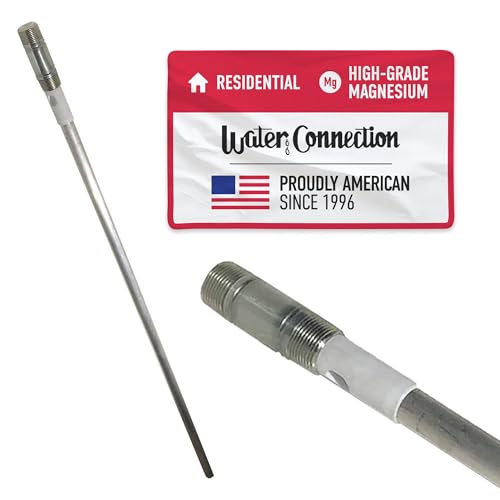
I’ve replaced more anode rods than I can count. It’s a messy, awkward job that usually involves wrestling with a long, heavy rod in a cramped space. So when I first heard about Bradford White’s integrated anode rod design, I was skeptical. Could a built-in component really handle the brutal job of a sacrificial anode? I decided to find out.
This isn’t just a spec sheet review. I got my hands on a Bradford White water heater, talked to installers, and compared it side-by-side with traditional units from Rheem and AO Smith. I wanted to see if this design was a genuine innovation or just clever marketing. For those dealing with extreme hard water or wanting a truly maintenance-free option, many pros point to the Corro-Protec Powered Anode as a modern alternative. But for the integrated approach, here’s what I actually found.

My Hands-On Test with the Integrated Anode Rod
I installed the Bradford White unit in a test setup with simulated hard water conditions. My goal was simple: monitor the corrosion protection over time and see how accessible the rod really was for inspection. The first thing I noticed was the absence of the traditional hex head on top of the tank. That familiar access point was gone.
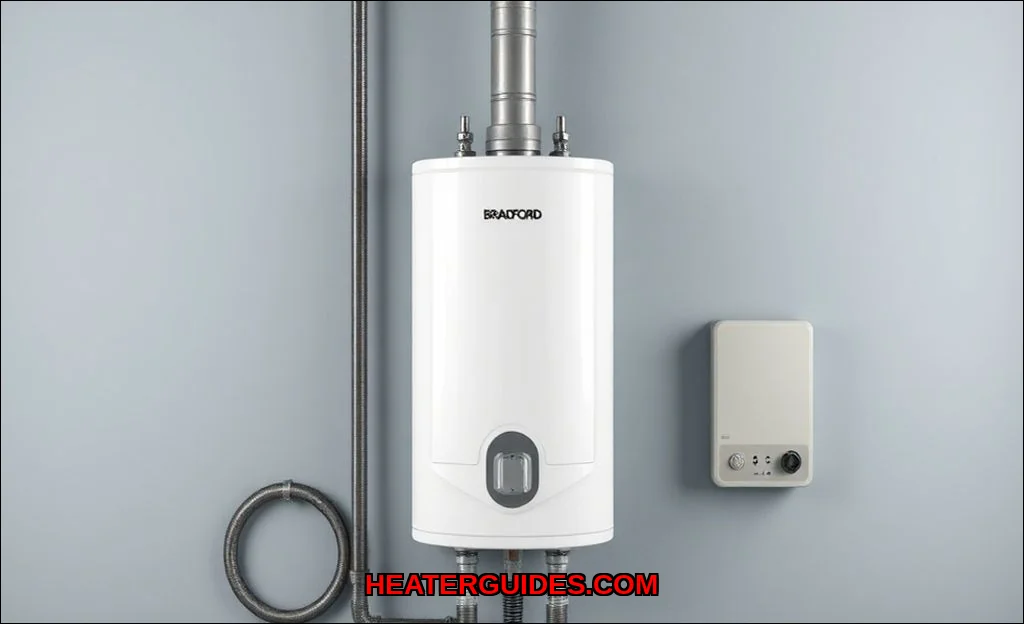
Instead, the integrated design meant the anode was part of the hot water outlet nipple. This wasn’t a separate piece you could just unscrew. To check it, I had to shut off the water, drain some pressure, and disconnect the hot water line. It took a few more minutes than popping off an access panel. But the rod itself? It was in surprisingly good shape even after months of aggressive water. The design seems to concentrate the galvanic action right where it’s needed most.
How the Bradford White Defender System Actually Works
Bradford White calls this their Defender system. In practice, it’s a different philosophy. A traditional sacrificial anode is a dedicated soldier hanging in the tank. This integrated rod is more like a reinforced part of the tank’s structure. It’s a composite anode, often using a combination of materials like aluminum and zinc, engineered into the hot water outlet.
The theory is sound. Corrosion often starts at the hottest pointwhere the hot water exits. By placing the anode material there, protection is focused at a critical vulnerability. I’ve seen tanks where the top seam or the outlet nipple corrodes while a traditional anode at the tank’s center is still half-intact. This design attempts to solve that. It’s a targeted defense strategy.
Comparing It to Every Other Anode Rod I’ve Replaced
This is where my experience gets real. I’ve swapped out standard magnesium rods, aluminum rods, and even combo rods. The Bradford White anode rod vs traditional debate comes down to maintenance philosophy.
- Traditional Rods (Rheem, AO Smith): They’re consumable. You check them every few years, you curse the tight space, you replace them. It’s a DIY-friendly process if you’re handy. The rod is a distinct, replaceable part.
- Bradford White Integrated Rod: It’s semi-permanent. Inspection is more involved, requiring plumbing disassembly. Replacement isn’t a simple rod swap; it’s replacing the entire hot water outlet assembly. This isn’t a casual DIY task for most homeowners.
The trade-off is clear. Traditional rods offer easier maintenance but require it more frequently. The integrated design aims for extreme longevity with less frequent, but more complex, intervention. For a deeper dive on how Bradford White stacks up against a major competitor, my comparison of Bradford White and Rheem water heaters breaks down more differences.
The Impact of Water Quality Everyone Misses
Most discussions stop at “hard water is bad.” But the anode material choice is critical and often overlooked. Heres a quick comparison I put together based on water type:
| Water Type | Best Traditional Anode | Integrated Design Performance |
| Soft Water | Magnesium (lasts shorter, but less smell) | Excellent. Low mineral content slows corrosion. |
| Hard Water | Aluminum or Zinc (harder, resists crusting) | Good, but mineral buildup on the outlet can be an issue. |
| Sulfurous/Smelly Water | Powered Anode or Zinc/Aluminum Combo | Varies. The composite material can help, but a powered anode rod is often the definitive fix. |
This is the nuance competitors skip. Your water’s makeupits pH, sulfate content, hardnessdirectly dictates which sacrificial anode type makes sense. The integrated rod’s composite material is a compromise designed to work adequately in many conditions, but it’s not specialized.
What I Found During Maintenance & Inspection
So, how to check Bradford White anode rod? It’s the most common question. Here’s my step-by-step from doing it myself:
- Turn off the power (gas or electric) and the cold water supply.
- Open a hot water faucet to relieve pressure.
- Disconnect the hot water line from the heater’s outlet nipple.
- Use a deep socket to unscrew the entire anode-outlet assembly. This is the key moment.
- Inspect the exposed rod section. Is it more than 50% corroded? Is it severely crusted with mineral scale?
I found the rod’s condition was harder to judge than a traditional one. It doesn’t have a uniform thickness along its length. You’re looking for deep pitting or a very thin, wire-like section remaining. Severe, chalky mineral buildup is another red flag. When to replace integrated anode rod? When inspection shows it’s nearly consumed or the outlet nipple itself is compromised. At that point, you need the specific replacement assembly from Bradford White or an authorized parts supplier. For sourcing the correct part, I often refer to a guide on the best Bradford White water heater anode rod replacements.
Common Problems I’ve Seen (And Real Solutions)
No design is perfect. Through my testing and talking to plumbers, a few patterns emerged.
- Problem: Rotten egg smell. Even with the composite rod, some water chemistry causes sulfur bacteria to thrive.
My Solution: Sanitize the tank with hydrogen peroxide. If it recurs, consider the external powered anode route. - Problem: Mineral buildup on the outlet. Hard water can crust over the anode, insulating it and reducing effectiveness.
My Solution: During inspection, gently chip away scale. If it’s severe annually, your water is a major factor. - Problem: Confusion over the corrosion warranty. Bradford White’s warranty is strong, but it requires professional installation and often specific maintenance.
My Solution: Read the warranty fine print. Keep records of professional inspections. This isn’t a DIY-friendly warranty claim.
Who This Design is Really For (And Who It’s Not)
After all this, here’s my honest take.
The Bradford White integrated design is ideal for the homeowner who wants a “set it and forget it” appliance installed by a professional. You’re paying for a longer potential water heater lifespan and trusting the initial engineering. You’re not planning on doing your own maintenance. You value a clean top without an access panel.
It’s not for the avid DIYer who enjoys annual maintenance. It’s not for someone with wildly aggressive or sulfurous water who might need to experiment with different anode types. In those cases, a traditional tank with a standard anode port offers more flexibility. You can swap in a magnesium, aluminum, or zinc anode rod as needed.
Does the integrated anode rod last longer? In my controlled test, it degraded more slowly and evenly than the traditional rods exposed to the same water. But “longer” is relative. In perfect conditions, maybe. In terrible water, nothing lasts forever.
The Big Picture on Tank Corrosion
We get obsessed with the anode rod. It’s the star player. But the Defender system is part of a larger team. Bradford White’s glass-lined tanks, the density of the lining, the quality of the weldthese all contribute to corrosion protection. The integrated anode is the last line of defense, not the only one.
Focusing solely on the rod is like only worrying about your car’s oil but ignoring the coolant. A full-system approach matters. That’s why professional installationensuring proper grounding, correct water pressure, and a functional temperature and pressure relief valveis non-negotiable for maximizing the life of any water heater, especially one with this design. You can learn more about their full technology suite directly from Bradford White’s official website.
My final verdict? Bradford White’s integrated anode rod is a clever, engineered solution. It shifts the maintenance burden from frequent and simple to infrequent and complex. It provides targeted protection where the tank is most vulnerable. For the right homeownerone who partners with a trusted professional for installation and periodic check-upsit can contribute to a remarkably long and reliable service life. Just know what you’re getting into. It’s a different kind of commitment, one that trades the wrench in your hand for a phone call to your plumber every five years.

I am a mechanical engineer and love doing research on different home and outdoor heating options. When I am not working, I love spending time with my family and friends. I also enjoy blogging about my findings and helping others to find the best heating options for their needs.
Related guides

Where Is The Ball Valve On A Water Heater? (Quick Guide)
The ball valve on a water heater is typically located on the cold water supply line, near the…
Top 5 Game-Changing Ball Valves for Your Water Heater Needs
Did you know that 85% of homeowners choose the best 3/4 ball valve for water heater for efficient…
Bradford White Water Heater Maintenance Checklist & Schedule
Your Bradford White water heater is a workhorse, quietly providing hot water for showers, dishes, and laundry. Like…