
The best wood to heat your home includes dense hardwoods like oak, hickory, and maple, which burn longer and produce more heat than softwoods.
Struggling to keep your home warm without burning through firewood too quickly? Choosing the wrong type of wood can lead to excessive smoke, poor heat output, and constant reloading—leaving you frustrated and cold.
The right wood for heating can transform your experience—delivering long-lasting warmth, cleaner burns, and better efficiency. In this guide, we’ll cover the best firewood types, BTU comparisons, seasoning tips, and safety considerations to maximize heat output. For those exploring alternative heating, our wood stove vs. pellet stove comparison can help.
Key Takeaways
- Hardwoods like oak, hickory, and maple provide the highest heat output (BTUs) and burn slower.
- Seasoned wood (dried for 6-12 months) burns cleaner and more efficiently than green wood.
- Avoid softwoods like pine for primary heating—they burn fast and produce more creosote.
- Proper storage (off the ground, covered top) ensures wood stays dry and ready to burn.
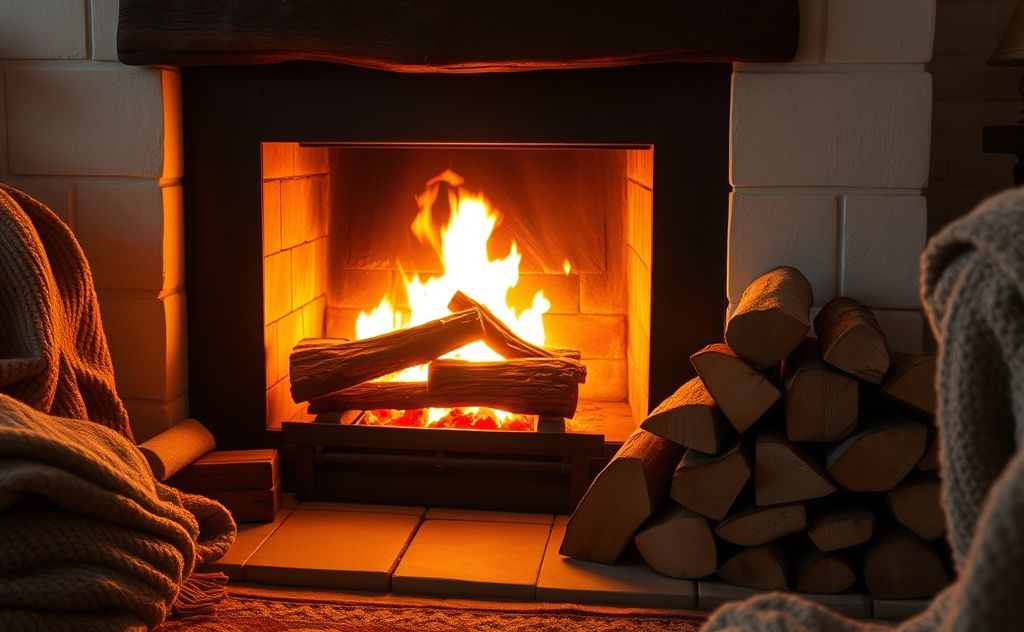
Top Firewood Choices for Maximum Heat
Hardwoods like oak, maple, or ash are best for heating—high BTU, slow burn, low smoke. These dense woods pack more energy per log, ensuring longer burn times and consistent warmth. Below, we break down the best options:
1. Oak (Best Overall)
Oak is the gold standard for firewood, offering 24-28 million BTUs per cord. Its density ensures a slow, steady burn, making it ideal for overnight heating. However, oak requires 1-2 years of seasoning to reduce moisture content below 20%.
2. Hickory (Highest BTU)
With 27-28 million BTUs per cord, hickory burns even hotter than oak. It’s perfect for extreme cold but can be harder to split. Its aromatic smoke also adds flavor for cooking.
3. Maple (Balanced Burn)
Maple (23-25 million BTUs) is easier to split than oak and seasons faster (6-12 months). It’s a great all-purpose choice for both stoves and fireplaces.
4. Ash (Lowest Moisture)
Ash contains only ~20% moisture when green, requiring minimal seasoning. It produces 20-24 million BTUs and lights easily—ideal for quick fires.
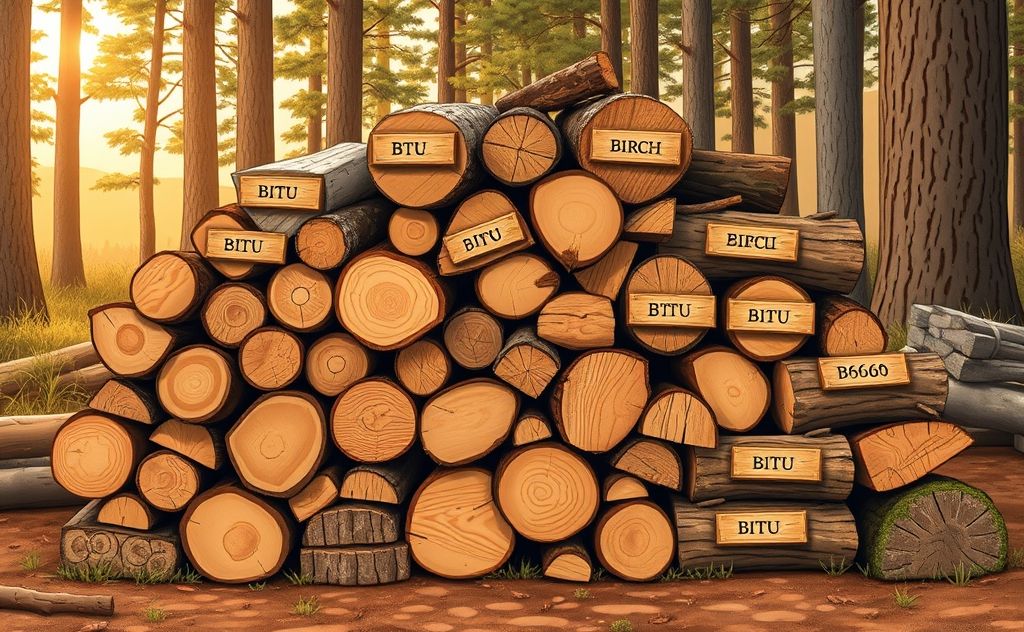
Firewood BTU Comparison Table
| Wood Type | BTUs per Cord (Millions) | Seasoning Time | Ease of Splitting |
|---|---|---|---|
| Oak | 24-28 | 1-2 years | Moderate |
| Hickory | 27-28 | 1 year | Difficult |
| Maple | 23-25 | 6-12 months | Easy |
| Ash | 20-24 | 3-6 months | Easy |
Wood to Avoid for Heating
Softwoods like pine, spruce, and fir burn fast and produce high creosote levels, increasing chimney fire risk. They’re best reserved for kindling or outdoor fires. According to the EPA, wet or resinous wood also emits harmful particulates.
How to Season Firewood Properly
Proper seasoning reduces moisture to under 20% for optimal burns. Follow these steps:
- Split wood early (smaller pieces dry faster).
- Stack off the ground with airflow between logs.
- Cover only the top to protect from rain while allowing sides to breathe.
- Check dryness by banging two logs—seasoned wood sounds hollow.
FAQ Section
What’s the cheapest wood for heating?
Locally sourced hardwood (e.g., oak or maple) is cost-effective long-term. Avoid pre-packaged bundles, which are 3x pricier than buying by the cord.
Can you burn freshly cut wood?
No—green wood wastes energy boiling off moisture, creating excess smoke. Always season wood first.
How much wood do I need for winter?
A typical home needs 3-5 cords for primary heating. Colder climates may require 6+ cords.
Final Thoughts
Choosing the best wood for heating ensures efficiency, safety, and comfort. Prioritize dense hardwoods, proper seasoning, and responsible sourcing. For more on sustainable heating, explore the U.S. Department of Energy’s guidelines. Stay warm!
