
Stepping out of a warm shower into a cold bathroom is a universally unpleasant experience. It’s more than just discomfort; it can be a genuine shock to the system, especially on chilly mornings. This is where a dedicated bathroom wall heater becomes a game-changer, transforming your bathroom from a functional space into a cozy, welcoming retreat. The right heater provides targeted warmth exactly where and when you need it, making your daily routine far more enjoyable.
Choosing the best wall heater for your bathroom, however, requires careful thought. You’re not just picking a heater; you’re selecting a device for a unique environment defined by moisture, limited space, and strict safety needs. A great bathroom heating solution must be effective, safe, and durable. For many homeowners looking for a reliable and popular option, the GiveBest Wall Heater often comes highly recommended for its balance of performance and safety features in a compact design.
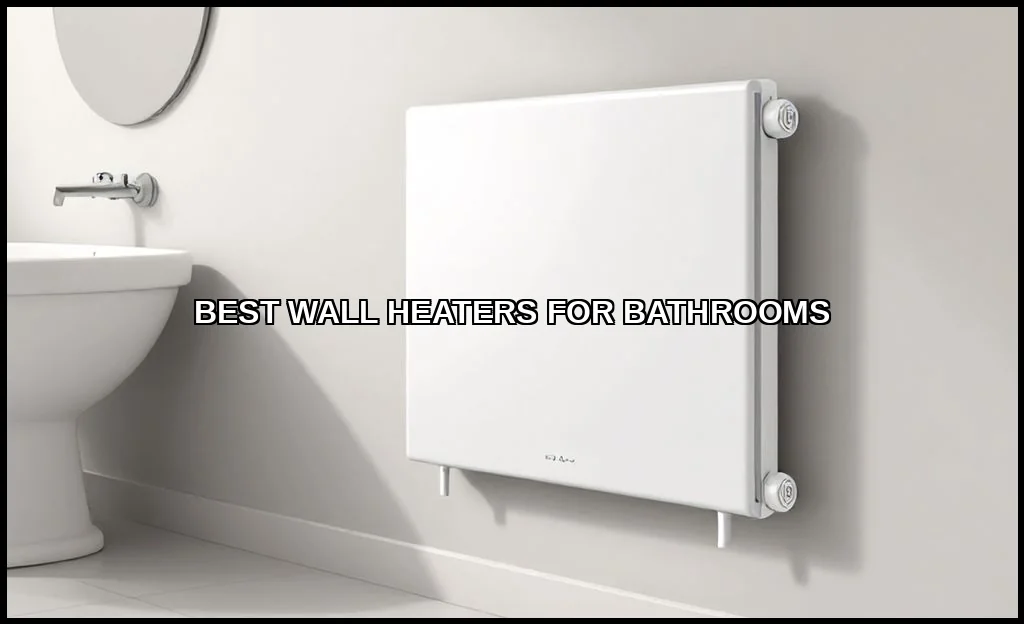
Why Your Bathroom Needs Specialized Heating
Bathrooms present a unique set of challenges for heating. Standard space heaters often fall short here. The high humidity from showers and baths can damage electrical components and create safety hazards if the unit isn’t designed for it. Bathrooms are also frequently smaller rooms, meaning you need efficient, fast-acting heat without bulky equipment taking up precious floor space.
Beyond comfort, proper bathroom heating helps prevent mold and mildew growth by reducing condensation on walls and mirrors. A good heater dries the air faster after a shower. This protects your paint, grout, and overall bathroom integrity. It’s an investment in both your comfort and your home’s maintenance.
Types of Bathroom Wall Heaters Explained
Not all wall mounted heaters are created equal. The technology behind them dictates how they heat, their efficiency, and their suitability for a damp environment.
Electric Fan-Forced Heaters
These are the most common type of bathroom electric heater. They use a heating element (like the coil in a toaster) and a fan to blow warm air into the room. The main advantage is speed. They heat up a small bathroom quickly and evenly. The fan noise can be a downside for some, but modern models are relatively quiet. They are generally affordable and effective.
Infrared (Radiant) Heaters
Infrared heaters work like the sun. They emit electromagnetic waves that directly warm objects and people in their path, not the air. This results in a very immediate, focused feeling of warmth. They are silent in operation, which is a major plus. A common question is: are infrared heaters safe for bathrooms? The answer is yes, provided they are specifically rated for bathroom use and installed correctly, away from direct water contact.
Hydronic (Hot Water) Wall Heaters
These are less common but highly efficient. They are part of your home’s central hot water system, with a wall-mounted unit that circulates hot water through fins. The heat is radiant and very steady. They are incredibly safe for bathrooms as there are no exposed electrical elements. The catch? They require professional installation tied into your boiler system, making them a more significant project and investment.
Non-Negotiable: Safety Features & Certifications
This is the most critical section. Bathroom safety cannot be compromised. Always look for these features and certifications when choosing a heater for a small bathroom or any bathroom.
- IP Rating (Ingress Protection): This is the gold standard for moisture resistance. For bathrooms, look for a minimum of IP24. This means the unit is protected against solid objects larger than 12.5mm and water splashes from any direction. For zones directly near the shower or tub, an IP25 or higher is recommended.
- GFCI Outlet Requirement: Most modern bathroom wall heaters must be plugged into a Ground Fault Circuit Interrupter outlet. A GFCI outlet instantly cuts power if it detects a current leak (like into water), preventing severe electric shock. If your bathroom doesn’t have one, an electrician must install it.
- Overheat Protection: An automatic cutoff switch if internal temperatures get too high.
- Tip-Over Switch (for portable models): Crucial if you’re considering a temporary space heater, though wall-mounted is always safer.
- Certifications: Look for marks from independent testing laboratories like ETL or UL. This ensures the product meets rigorous U.S. safety standards.
A truly bathroom safe heater will proudly advertise these features. Never install a standard room heater in a bathroom.
How to Choose: Sizing, Power & Installation
Figuring out how to choose a bathroom wall heater boils down to three key factors: size, power, and installation logistics.
1. Sizing Your Space
Measure your bathroom’s square footage. As a basic rule of thumb, you need about 10 watts of heating power per square foot. So, a 50-square-foot bathroom needs roughly a 500-watt heater. For rooms with high ceilings, poor insulation, or many exterior walls, you might need to bump that to 12-15 watts per square foot.
Consider the layout too. A radiant infrared heater is perfect for a spot like near the vanity, while a fan-forced model is better for general air heating in the whole room. For a best wall heater for a small bathroom with no windows, a lower-wattage fan-forced or infrared model can be ideal to avoid overheating the confined space.
2. Understanding Power & Wattage
Wattage equals heat output. Common bathroom heater wattages range from 500W to 1500W.
- 500W-750W: Best for very small powder rooms or supplemental heat.
- 1000W-1250W: The sweet spot for most standard bathrooms (40-100 sq ft).
- 1500W: For larger master bathrooms or poorly insulated spaces.
Higher wattage means faster heating but also higher energy use. Ensure your bathroom’s electrical circuit can handle the heater’s draw, especially if you’re running hair dryers or other appliances simultaneously.
3. Installation Considerations
Most hardwired wall heaters require professional installation by a licensed electrician. This ensures it’s correctly connected to your home’s wiring and any necessary GFCI Outlet protection is in place. Plug-in models offer more flexibility but still demand a proper GFCI outlet. Always follow the manufacturer’s clearance guidelineskeeping the heater away from shower curtains, towels, and other flammable materials is a must.
Thinking about other heating projects? You might find our guide to the best ventless heaters useful for living areas or workshops.
Top Picks & Final Recommendations
Based on type, safety, and value, here are general recommendations to guide your search. Remember, the “best” depends entirely on your specific bathroom and needs.
| Best For | Heater Type | Key Features to Look For |
|---|---|---|
| Quick, Whole-Room Heat | Electric Fan-Forced | IP24 rating, adjustable thermostat, multiple heat settings, quiet fan. |
| Silent, Instant Warmth (e.g., near vanity) | Infrared/Radiant | IPX4 or higher rating, directional heating, sleek low-profile design. |
| Luxury & Efficiency | Hydronic (Hot Water) | Integrates with boiler, completely safe and dry, consistent radiant heat. |
| Budget & Simplicity | Plug-in Fan Forced (with GFCI) | Easy install, must have GFCI plug and overheat protection, lower wattage. |
Addressing Common Questions
So, what is the safest heater for a bathroom? It’s any heater with a proper IP Rating for moisture, mandatory safety certifications (ETL/UL), and that is installed correctlyeither hardwired or into a GFCI Outlet. There is no single brand; safety is a function of specs and installation.
For versatile home heating beyond the bathroom, exploring the best space heaters can give you options for other rooms during colder months.
Wrapping It Up
Transforming your bathroom from a cold zone into a warm sanctuary is entirely achievable. The process starts with respecting the room’s unique demands. Prioritize safety certifications and moisture resistance above all else. Then, match the heater type and wattage to your bathroom’s size and your personal routinedo you want fast air heat or silent radiant warmth?
Investing in a proper bathroom wall heater pays dividends daily. It’s one of those home upgrades you’ll appreciate every single time you use it. Do the research, get a professional install if needed, and enjoy the simple, profound comfort of a truly warm bathroom.
