
Choosing the right heater feels like a seasonal puzzle. You’re not just buying an appliance; you’re investing in comfort, safety, and your monthly utility bill. The best type of heater for you depends entirely on your space, budget, and specific needs. Let’s cut through the noise.
For many, a versatile and safe portable heater is the perfect solution. If you’re looking for a top-rated option that balances power with smart features, the DREO Space Heater is a fantastic contender. It combines ceramic heating with precise thermostat control and robust safety features, making it a strong candidate for bedrooms and home offices.
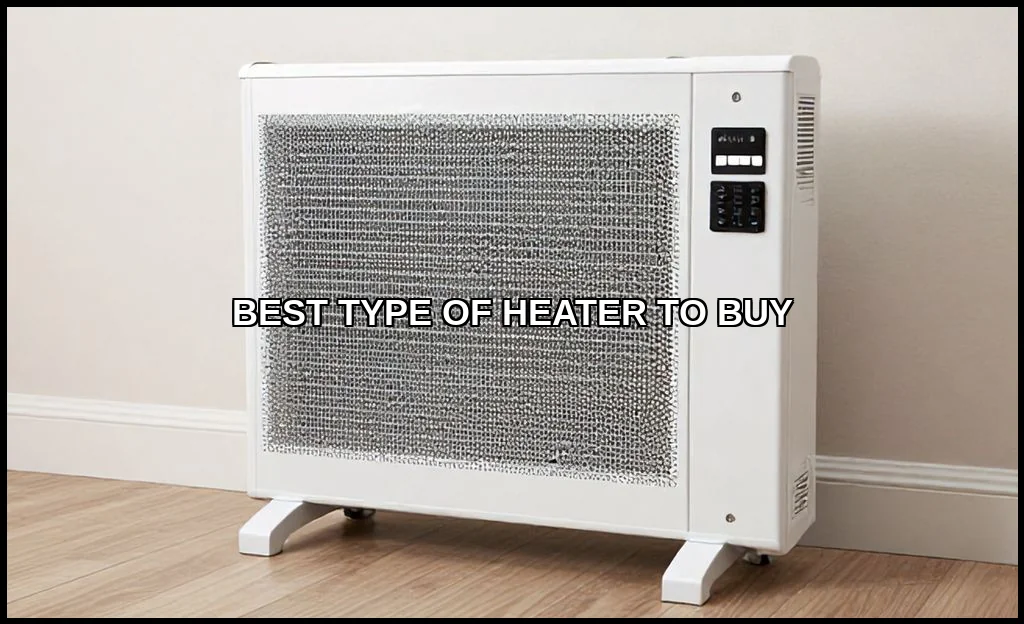
Heater Type Breakdown: Pros, Cons & Best Uses
Not all heaters warm a room the same way. Some heat the air, others heat objects directly. Your choice impacts efficiency and feel.
Ceramic Heaters
These popular electric heaters use a ceramic plate and metal coils. A fan blows air over the hot ceramic, providing quick, focused warmth.
- Pros: Heats up rapidly, lightweight, often includes cool-touch casings and oscillation. Generally affordable.
- Cons: Heat can feel localized; the fan can be noisy. Not always the most efficient heater for large, open areas.
- Best For: Personal space heating, small to medium rooms, under-desk use.
Oil-Filled Radiators
These heaters electrically heat sealed diathermic oil. The oil retains heat, radiating it steadily into the room long after the unit cycles off.
- Pros: Silent operation. Provides consistent, even warmth. Often the cheapest heater to run among electric models for long periods.
- Cons: Slow to warm up. Heavy and not easily portable. Surface gets very hot.
- Best For: Heating a bedroom overnight or a living room for many hours. A great choice for a safe heater for bedroom use if placed correctly.
Infrared Heaters
These units emit electromagnetic radiation that directly warms people and objects in its path, similar to sunlight.
- Pros: Instant, targeted warmth. Doesn’t heat the air, so it’s efficient in drafty spaces. Operates silently.
- Cons: Heat is directional; you must be in its line of sight. Can have a visible glow.
- Best For: Heater for large room with high ceilings, drafty spaces like workshops, or spot heating on a patio. Perfect for that energy efficient heater for a garage workshop.
Fan Heaters & Convection Heaters
The classic fan heater blows air over a simple heating element. Convection heaters warm the air, which then naturally circulates.
- Pros: Extremely inexpensive to purchase. Provides immediate airflow.
- Cons: Can be noisy and dry out the air. Often less efficient for sustained heating.
- Best For: Quick, temporary heat in a small area like a bathroom.
Gas & Propane Heaters
These burn fuel (natural gas or propane) to generate heat, often with high BTU (British Thermal Unit) output.
- Pros: Powerful, capable of heating very large spaces. Can operate during power outages.
- Cons: Requires ventilation to prevent carbon monoxide buildup. Involves fuel costs and storage. Not for indoor use unless specifically designed (like vented wall units).
- Best For: Well-ventilated workshops, construction sites, or as a primary home heating system when professionally installed.
Key Buying Factors: Size, Efficiency, Safety & Features
Now, let’s match the type to your situation. Consider these four pillars.
Room Size & Application
Heater power is measured in watts or BTU (British Thermal Unit). A simple rule: 10 watts per square foot of room area. A 1500-watt heater suits a 150 sq. ft. room. For a drafty living room or spaces with high ceilings, size up. Always check our best space heaters guide for well-sized options.
Energy Efficiency & Operating Cost
All electric heaters are 100% efficient at converting electricity to heat. The difference lies in how they deliver that heat. An oil filled radiator or an infrared heater might use less electricity over time because they provide more consistent or targeted warmth. Look for models with adjustable thermostats and eco-modes. The Energy Star Certified label indicates top-tier efficiency for certain heater categories. For detailed efficiency tips, this official source is invaluable.
Non-Negotiable Safety Features
This is paramount, especially for homes with kids or pets. Your heater must have:
- Tip-over Switch: Automatically shuts off if knocked over.
- Overheat Protection: Cuts power if internal components get too hot.
- Cool-Touch Exterior: Prevents burns on the casing.
For the safest type of space heater for pets and children, look for units with grills that stay cool and stable, heavy bases to prevent tipping, and the features above. Ceramic and oil-filled radiators often excel here.
Useful Features & Connectivity
Modern heaters offer conveniences like programmable timers, remote controls, and oscillation for wider coverage. Some connect to smart home systems. Consider what will make your life easier. Need cordless flexibility? Explore our list of the best battery operated models.
Top Recommendations by Room & Scenario
Let’s get specific. Heres how to apply what we’ve learned.
Best Heater for a Bedroom
You want silent, safe, and efficient heat for 8+ hours. The winner is often an oil filled radiator. It provides steady, silent warmth without a drying fan. Its high surface temperature means it needs space, but its lack of fans makes it perfect for light sleepers. A close second is a high-quality ceramic heater with a thermostat and ultra-quiet fan setting.
Long tail target: what is the most cost effective type of heater for a bedroom? An oil-filled radiator, despite a higher upfront cost, typically wins for overnight use due to its heat retention.
Best Heater for a Drafty Living Room
You need powerful, widespread heat. A high-wattage ceramic heater with wide oscillation or an infrared heater is ideal. Infrared is particularly clever hereit heats you and your sofa directly, not the cold air leaking from the windows. Pair it with a good electric heater with a strong fan to circulate warmth in the larger space.
Best Heater for a Home Office or Small Space
Here, focused, personal warmth is key. A compact ceramic heater placed under or near your desk is perfect. Look for one with precise temperature control so you’re not cycling between too hot and too cold.
Best Heater for a Garage or Workshop
This requires power and suitability for a large, often uninsulated space. A powerful infrared heater (for direct spot heating) or a forced-air gas heater (if ventilation is excellent) are top choices. For electric options, a high-BTU convection heater or a durable, oscillating ceramic tower can work. Remember the goal: an energy efficient heater for a garage workshop often means infrared for task-focused work.
Final Verdict & Maintenance Tips
So, what’s the best heater brand? There isn’t one universal answer. Brands like DREO, Lasko, De’Longhi, and Dr. Infrared excel in different categories. Your choice hinges on matching the heater’s strengths to your primary use case.
Before you buy, measure your room. Check the required safety features. Read recent reviews, not just marketing copy. And think about the long-term cost, not just the sticker price.
Once you own it, maintenance is simple but critical:
- Keep it clean. Dust buildup is a fire hazard. Unplug it and vacuum vents before each season.
- Inspect the power cord regularly for fraying or damage.
- Always plug the heater directly into a wall outlet. Never use an extension cord.
- Store it in a dry place during the off-season.
The right heater transforms a chilly room into a cozy haven. Its a tool for targeted comfort. By prioritizing safety and aligning the heater’s technology with your actual living space, you’ll make a choice that warms you efficiently for years. Now you’re equipped to find your perfect match.
