
Forget waiting for the shower to heat up or running out of hot water halfway through a load of laundry. That’s the promise of a gas tankless water heater. These compact units, also called on demand or instant hot water heaters, heat water directly as it flows through the system. No storage tank means endless hot water and significant space savings. It’s a smart upgrade for modern homes focused on efficiency and comfort.
But with so many models and brands, finding the best gas tankless water heater can feel overwhelming. You’re comparing specs, reading gas water heater reviews, and wondering about real-world performance. This guide cuts through the noise. We’ll compare top models, break down key features, and tackle the practical questions about installation and cost. For instance, if you’re considering a propane setup, many installers find the Outdoor Propane Tankless unit simplifies venting and saves indoor spacea solid option for certain projects.
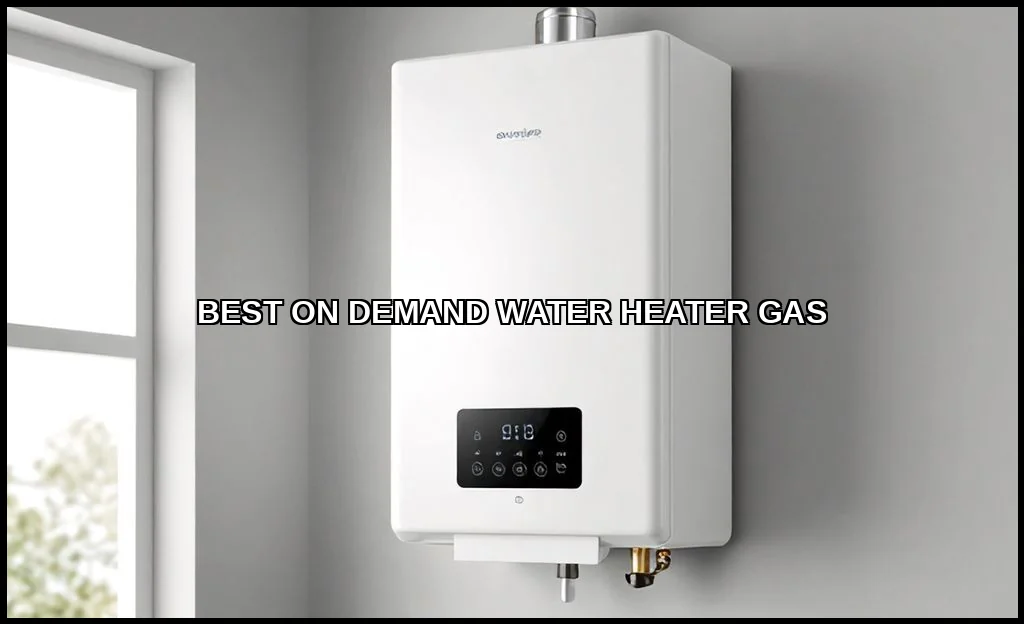
Top 5 Gas Tankless Water Heaters Reviewed & Compared
We’ve analyzed performance data, professional installer feedback, and consumer gas tankless water heater reviews to bring you this shortlist. These represent the best rated gas tankless water heater options across different needs and budgets.
1. Rinnai RU199iN
A consistent favorite for whole-home applications. Its high Gallons Per Minute (GPM) output (up to 11 GPM) handles multiple showers and appliances simultaneously. The Modulating Burner technology adjusts flame intensity with precision, conserving energy. Ideal for larger families in colder climates.
- Best For: Large homes with high simultaneous hot water demand.
- Key Spec: 199,000 BTU, 11 GPM flow rate.
- Note: Requires professional sizing and installation for optimal performance.
2. Navien NPE-A2
Navien is renowned for its condensing technology, which captures extra heat from exhaust gases. This results in one of the highest Energy Factor (EF) ratings in its class, translating to lower gas bills. It includes a built-in recirculation pump, reducing wait time for hot water at distant faucets. Many wonder, is navien a good tankless water heater? For efficiency-focused buyers, it’s often a top contender.
- Best For: Homeowners prioritizing maximum fuel efficiency and comfort features.
- Key Spec: Condensing design, built-in pump, high EF.
3. Noritz NRC98-DV
Built with durability in mind, Noritz offers robust construction and reliable performance. It excels in areas with harder water conditions and has excellent low-flow detection, perfect for modern faucets and showerheads. A workhorse unit favored by many contractors.
- Best For: Reliability and performance in varied water conditions.
- Key Spec: Durable heat exchanger, advanced scale detection.
4. Rheem RTGH-95DVN
This model strikes a compelling balance between price and performance. It offers a condensing design for good efficiency and a compact footprint that fits in tight spaces. A great entry point into high efficiency water heater technology without the premium brand price tag.
- Best For: Value-conscious buyers needing efficient, space-saving design.
- Key Spec: Affordable condensing unit, compact size.
5. Takagi T-K4-OS-N
A powerhouse for extreme demands. With a massive BTU input, it’s designed for large homes, multi-family units, or commercial applications. It can deliver high volumes of hot water even with very cold inlet temperatures. Overkill for most, but perfect for specific, high-demand scenarios.
- Best For: Very large residences or light commercial use.
- Key Spec: High BTU output for coldest climates.
Key Features to Consider When Buying
Choosing the best gas tankless isn’t just about brand names. You need to understand the specs that impact daily use. Heres what to scrutinize during your on demand gas water heater comparison.
Flow Rate (GPM) and Temperature Rise
This is the heart of sizing. Gallons Per Minute (GPM) indicates how much hot water the unit can produce at a set temperature rise. A 7 GPM unit might run two showers at once in a warm climate, but only one in a cold climate where the incoming groundwater is much colder. Always match the GPM to your peak usage, not your average.
Energy Efficiency (EF)
The Energy Factor (EF) measures how efficiently the heater converts gas energy into hot water. The higher the EF, the less gas you use. Condensing models (like Navien) typically have EFs above 0.90, while non-condensing are often between 0.82 and 0.85. Over 10-15 years, that difference adds up.
Modulating vs. Fixed-Rate Burners
A Modulating Burner is a game-changer. It adjusts the flame in small increments to match the exact hot water demand, rather than just cycling on and off at full blast. This provides more consistent temperature control and improves efficiency. It’s a feature now expected in quality models.
Fuel Type: Natural Gas vs. Propane
Most units are convertible, but you must buy the correct kit and have a qualified technician make the adjustment. Natural gas instant hot water systems are common in urban areas, while propane tankless water heater setups are standard for rural homes. Propane has a higher energy content, so BTU ratings may differ slightly.
Installation, Sizing, and Cost Breakdown
This is where theory meets reality. A perfectly good unit can underperform if sized or installed incorrectly.
Getting the Size Right
Ask yourself: what is the best gas tankless water heater for a large family? The answer lies in a simple calculation. Add up the GPM of all fixtures you might use simultaneously (shower + dishwasher + kitchen sink). Then, determine the needed temperature rise (desired output temp minus coldest groundwater temp in winter). Your unit’s specs must meet or exceed this peak demand. Undersizing is the most common mistake.
The Real Cost of Installation
So, how much does it cost to install a gas on demand water heater? The unit itself ranges from $800 to $2,500. Professional installation, however, can match or exceed that cost. Why? It often requires upgrading gas lines (to handle higher BTU load), installing new venting (especially for condensing models), and possibly modifying water lines. Get multiple detailed quotes.
| Cost Component | Estimated Range |
|---|---|
| Gas Tankless Unit | $800 – $2,500 |
| Professional Installation & Materials | $1,000 – $3,000 |
| Potential Gas Line Upgrade | $500 – $2,000 |
| Total Project Cost | $2,300 – $7,500+ |
Efficiency: Gas vs. Electric
Are gas tankless water heaters more efficient than electric? Operationally, high-efficiency gas models can be cheaper to run than electric in areas with low natural gas or propane prices. Electric tankless models have near 100% energy efficiency at point-of-use but can be costly if electricity rates are high. The official source for energy information provides a great comparison. For whole-home heating, gas typically holds the edge on operating costs.
Final Verdict & Buying Recommendations
The “best” model depends entirely on your home’s specifics. The debate of Rinnai vs Navien vs Noritz which gas tankless is best often comes down to priorities: Rinnai for robust flow, Navien for peak efficiency and comfort, Noritz for durability. For traditional tank models, brands like Bradford White also have a strong reputation for being good reliable units.
Start with a professional consultation. A good installer will assess your gas supply, water quality, and usage patterns. They’ll recommend a properly sized unit from a brand they trust and service. Don’t just buy the biggest GPM number you see; buy the system designed for your actual life. The right gas tankless heater delivers a decade or more of reliable, efficient, and endless hot water. That’s an upgrade you’ll feel every single day.
