
When the power grid fails during a winter storm, the temperature inside your home can plummet dangerously fast. Having a reliable indoor emergency heater isn’t just about comfort; it’s a critical component of your family’s safety plan. You need a unit that’s effective, dependable, and above all, safe for enclosed spaces.
Choosing the right one means navigating fuel types, safety certifications, and heating capacity. For many seeking a powerful and immediate solution, the Mr Heater MH9BX-MassachusettsCanada propane heater is a top contender. It’s specifically designed for indoor use with robust safety features, making it a go-to for emergency heat when you need it most.
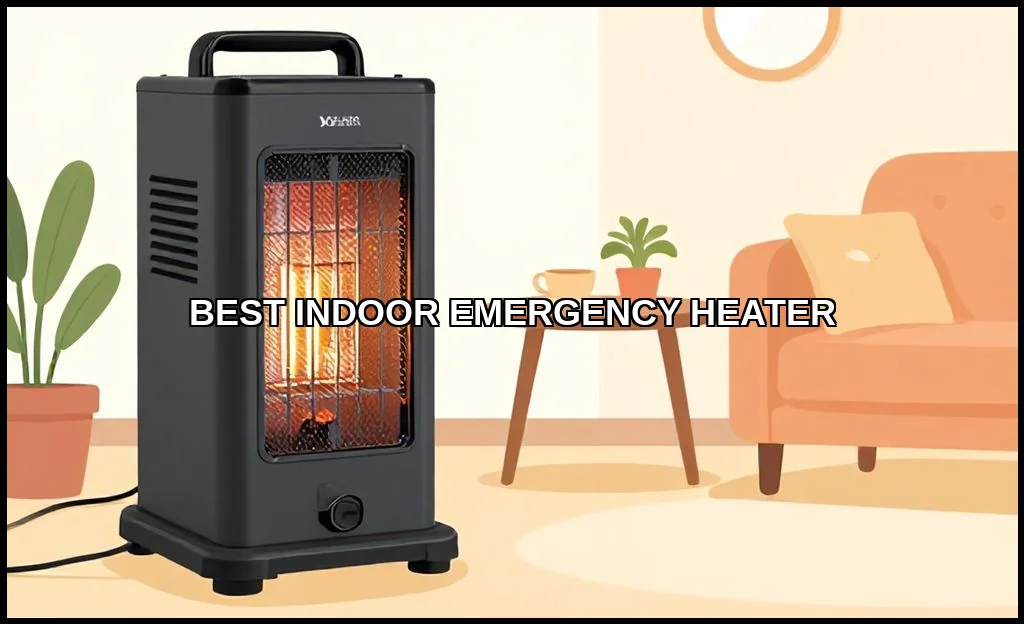
Understanding Indoor Emergency Heater Safety
Safety is the non-negotiable starting point. Any heater burning fuel indoors produces combustion byproducts. The two primary risks are Carbon Monoxide (CO) Poisoning and oxygen depletion. CO is a silent, odorless killer. An oxygen-depleted room can cause dizziness or worse.
This is why certifications and built-in safety tech are your best friends. Look for these key features in any fuel-burning unit:
- Oxygen Depletion Sensor (ODS): This is critical. If oxygen levels drop below a safe threshold, the sensor automatically shuts off the heater.
- Tip-Over Safety Switch: The heater instantly turns off if it’s knocked over, preventing a fire hazard.
- Automatic Shut-off for Overheating: Protects the unit and your home.
Never, under any circumstances, use a heater indoors that isn’t explicitly rated for it. Always pair a fuel-burning heater with a working carbon monoxide detector in the same room. Consider it your mandatory backup. For comprehensive safety guidelines, the CPSC offers an excellent official source on portable heater hazards.
Comparing Fuel Types: Electric, Propane, and Kerosene
Your choice of fuel dictates the heater’s utility during an outage. Each has distinct pros and cons for an emergency heating solution.
Electric Heaters
These are the simplest portable indoor heater options for everyday use. They’re typically radiant heater indoor models or fan-forced convectors. The catch? They’re useless in a total blackout unless you have a substantial generator or power bank. For short outages or as a supplement, a compact electric unit is hard to beat for safety and ease. You can find some of the best compact models designed for low-power draw.
Propane Heaters
Propane is the king of immediate, high-heat output. A propane heater for indoors, like the Mr. Heater Buddy series, provides powerful, focused warmth. Modern indoor propane heater models are often vent-free heater designs with low oxygen shut-off systems. They’re highly portable and fuel canisters are easy to store. The question of what is the safest heater to use indoors during a power outage often leads to a well-certified propane model.
Kerosene Heaters
These are potent and efficient, but they demand more respect. Kerosene heater safety is paramount due to stronger fumes and the need for proper fuel (only use K-1 grade). They require more ventilation than modern propane units. If you’re researching how to safely use a kerosene heater inside the house, know that it involves strict adherence to manufacturer instructions, ample fresh air, and meticulous maintenance.
| Fuel Type | Best For | Key Consideration for Emergencies |
|---|---|---|
| Electric | Short outages with backup power; supplemental heat | Requires a functioning electrical source. |
| Propane | Long, unplanned power outages; high heat demand | Must have indoor-safe rating & stored fuel. |
| Kerosene | Prepared users with ventilation plans; large spaces | Highest safety diligence required; fuel storage smell. |
Top Features for Reliable Emergency Indoor Heating
Beyond fuel, specific features separate a good heater from a reliable backup heat source.
Heating Capacity and Room Size
Match your heater’s BTU (British Thermal Unit) output to your space. Too small, and it struggles. Too large, and you waste fuel and may create uncomfortable, overly dry air. A 4,000-9,000 BTU heater often suffices for a single room or small apartment. Always check the manufacturer’s recommended square footage.
Portability and Indoor Suitability
A true safe indoor heater for emergencies is easy to move. Look for a compact design, a carrying handle, and a weight you can manage. It should sit stable on your floor without obstructing walkways. Its operation should be quiet enough for sleeping areas.
Run Time and Fuel Efficiency
How long will it run on a single tank or cylinder? This determines how much fuel you need to store. Some propane heaters can run for up to 6 hours on low on a 1-lb cylinder. Calculate your needs based on potential outage durations in your area.
Review of Top-Rated Indoor Emergency Heater Models
Let’s look at how some popular types stack up for specific scenarios. This isn’t about declaring one winner, but matching the tool to the task.
For the Prepared Household: Propane Radiant
The best indoor propane heater for emergency heat often falls into the radiant category. Models like the Mr. Heater Buddy series emit infrared heat that warms objects and people directlysimilar to sunshine. This makes them feel incredibly warm even in a drafty room. They are the quintessential emergency power outage heater. Their built-in ODS and tip-over protection provide critical peace of mind.
For Supplemental & Short-Term Outages: Portable Electric
If you have a generator, a ceramic electric heater is a superb indoor safe heater choice. They heat up quickly, have adjustable thermostats, and often include oscillation. The debate of portable electric heater vs propane for emergency indoor use is settled by your power situation. With power, electric is simpler. For a great selection of affordable options, check out the best space heaters available at major retailers.
For Focused Warmth: Small Radiant Electric
These are perfect for heating your immediate personal space under a desk or next to a chair. They are silent and provide instant, directional warmth. For those looking for ultimate portability without fuel, some of the best new models even incorporate battery packs for short-term cordless operation.
Essential Safety Tips and Maintenance Guide
Owning the heater is only half the battle. Using it correctly ensures it saves the day.
Operational Safety Checklist
- Clear the Zone: Maintain a 3-foot kid-and-pet-free circle around the heater. Keep it away from curtains, bedding, and furniture.
- Ventilate Mindfully: Even with a vent-free heater, crack a window slightly for fresh air exchange. It’s a good habit.
- Install Detectors: Your smoke alarm and carbon monoxide detector must have fresh batteries before the storm hits.
- Refuel Outside: Always turn off a fuel heater and let it cool completely before refueling. Do this outdoors only.
- Plug Directly: If using electric, plug the heater directly into a wall outlet. Avoid extension cords.
Pre-Season Maintenance
Don’t wait for the first freeze to test your gear. A month before winter:
- Inspect your heater for dust, debris, or damage. Clean it per the manual.
- Perform a test run for 10 minutes in a well-ventilated area to ensure all functions work.
- Check your fuel supply. Propane cylinders can expire. Rotate your stock.
- Review the manual. Refresh your memory on the specific safety features of your model.
The right indoor emergency heater is a powerful ally against the cold. It balances robust heating power with uncompromising safety technology. Your choice ultimately hinges on your specific risk assessment: the length of outages in your area, your space, and your comfort with fuel management. Whether you choose a trusted propane radiant model or a battery-backed electric option, the key is preparation. Test your equipment, store your fuel safely, and always prioritize those life-saving sensors and detectors. Stay warm, and stay safe out there.
