
Bed bugs are a nightmare. They’re resilient, they hide, and they make your home feel like a battleground. Traditional sprays often fail, leaving you searching for a more definitive solution. That’s where heat comes in. Using a specialized heater to kill bed bugs is one of the most effective non-chemical methods available. It’s about turning up the temperature to a point where these pests simply can’t survive.
This guide cuts through the noise. We’ll explore the best heaters for the job, from professional-grade systems to DIY-friendly options. You’ll learn how heat treatment works, what features truly matter, and how to execute a safe, successful eradication. For those looking for a targeted, portable solution right away, many experts point to the ThermalStrike Ranger Bed. It’s designed specifically for treating items like mattresses and furniture, offering a focused approach to thermal remediation equipment.
How Heat Treatment Kills Bed Bugs
The principle is beautifully simple. Bed bugs, at all life stages, have a thermal death point (118F / 48C). Sustained exposure to temperatures at or above this threshold is fatal. It’s not just about hitting a high temperature for a moment; it’s about maintaining that lethal heat long enough for it to penetrate every crack, crevice, and fabric fold where bugs and eggs hide. This process is often called heat treatment for bed bugs or thermal remediation.
Why is heat so effective where chemicals fail? Insecticides can’t always reach hidden harborages. Bugs can also develop resistance. Heat, however, is a physical killer. It doesn’t discriminate. When properly applied, it eliminates eggs, nymphs, and adults simultaneously. This is the core goal of any DIY bed bug heat treatment or professional service. The key is consistent, monitored heat distribution.
The Critical Role of Temperature Monitoring
You can’t manage what you don’t measure. This is the golden rule. Simply blasting a room with a high-wattage heater is dangerous and ineffective. You must verify the heat reaches the lethal zone in the hardest-to-heat spots. This is where a temperature monitoring probe becomes non-negotiable. You’ll place probes in furniture joints, behind outlets, and under mattresses to ensure the entire treatment area reaches and holds the target temperature.
Types of Heaters for Bed Bug Eradication
Not all heaters are created equal for this specific task. Your choice depends on the scale of the infestation and your budget.
Professional Bed Bug Heaters
These are industrial-grade systems used by exterminators. They are powerful propane or electric heaters connected to large fans and ductwork to circulate hot air throughout a structure. They’re designed for whole-home treatments and represent the high end of thermal remediation equipment. For most homeowners, renting or hiring a pro with this gear is the route for major infestations.
Portable Electric Bed Bug Heaters
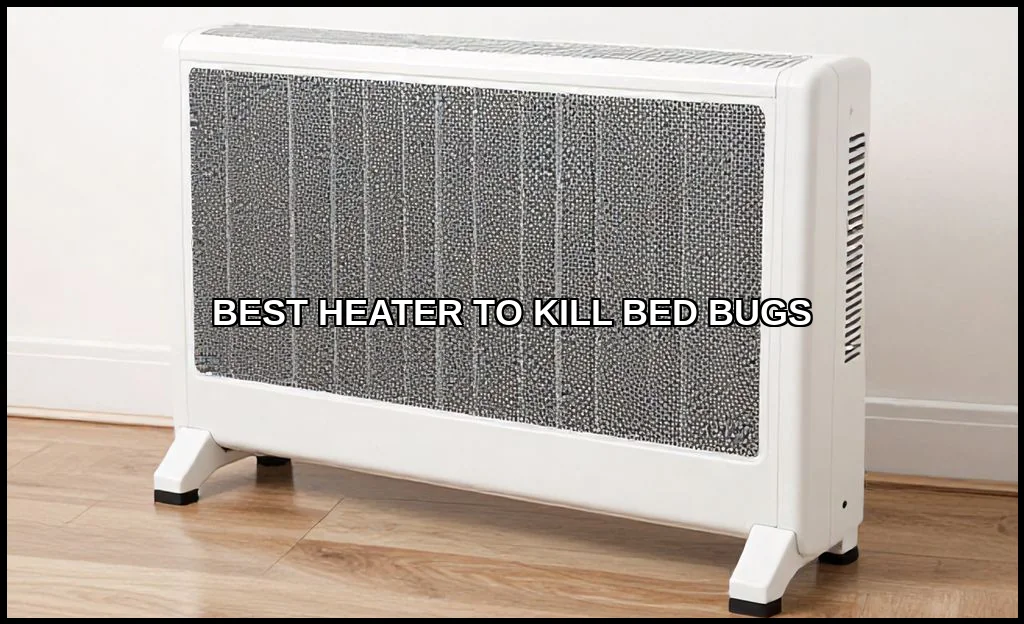
This category is the sweet spot for room-sized or item-focused treatments. A portable bed bug heater is typically an electric bed bug heater with a built-in fan for air circulation. They are more affordable and user-friendly than pro systems. Many are designed as heat chambers for treating luggage, boxes, or small furniture. Others function as whole room heater units. When searching for the best portable heater for killing bed bugs, look for models with precise thermostats and robust airflow.
Conventional Space Heaters: A Risky Choice
Can you use a standard space heater from a store? Technically, yes. Practically, it’s fraught with risk. Most lack the safety cut-offs, consistent output, and airflow needed for safe, effective treatment. They are a major fire hazard when run unattended for the 6-8 hours a proper treatment requires. While you might find a cheap heater for DIY bed bug heat treatment, the potential cost of failurere-infestation or fireis too high. For general heating needs, we’ve reviewed the best space heaters for safety and efficiency.
Key Features to Look For in a Bed Bug Heater
Whether you’re renting or buying, these features separate effective tools from dangerous toys.
- Precise Thermostat & Timer: The unit must reliably hit and hold a specific temperature (at least 120F/49C) and have an auto-shutoff timer.
- Robust Airflow (Convection Heating): Convection heating with a powerful fan is mandatory. It moves hot air around objects, preventing cold spots where bugs can survive. Still, hot air is useless air.
- Integrated Temperature Probes: As discussed, you need probes to monitor core temperatures in hiding spots. The heater should have inputs for multiple probes.
- Safety Certifications & Auto-Shutoffs: Look for UL listing or equivalent. Overheat protection and tip-over switches are absolute must-haves.
- Portability & Setup: Wheels, handles, and straightforward controls make the arduous process of heat treatment for bed bugs slightly easier.
Step-by-Step Guide to Using a Heater for Bed Bugs
Executing a DIY heat treatment is a major undertaking. Preparation is 80% of the work. Heres how to use a heater to get rid of bed bugs safely.
1. Preparation is Everything
Remove all flammable items: aerosols, candles, lighters, etc. Protect electronics and sensitive items by moving them out of the room or consulting manuals. De-clutter extensively. The more items in the room, the more hiding places and the harder it is to heat evenly. Seal the room. Use weather stripping on the door and tape over vents to contain the heat.
2. Heater Setup & Probe Placement
Position your electric bed bug heater centrally. Point the airflow towards the largest furniture piece (like the bed). Strategically place temperature monitoring probes in critical locations:
- Inside the box spring frame.
- Between mattress layers if possible.
- Inside a bedside drawer.
- Behind a loose electrical outlet plate (turn off power first!).
3. The Heating & Monitoring Phase
Start the heater. Aim to raise the room’s ambient temperature to 120-135F (49-57C). The real metric is your probe readings. Every probe must read at least 118F (48C) for a minimum of 90 minutes. This sustained exposure is key. Monitor constantly. Do not leave the house. Check probes every 30 minutes and adjust heater positioning if cold spots persist.
4. Post-Treatment Protocol
Once the time elapses, turn off the heater and let the room cool naturally. Do not open windows immediately, as rapid cooling can cause condensation. Vacuum thoroughly to remove dead bugs. Immediately place the vacuum bag in a sealed plastic bag and dispose of it outside. Stay vigilant. Monitor for signs of survivors, as eggs in perfectly insulated walls may sometimes survive.
Top Heater Recommendations & Buying Guide
Your choice hinges on scope and budget. Let’s compare.
For Professional-Grade Results (Rental)
If facing a whole-home infestation, bed bug heater rental of commercial equipment is your best bet. Companies like PestHeat or TempAir offer packages with heaters, fans, ducting, and probes. You get pro power without the pro price tag of a full service. It’s complex but the most effective DIY-adjacent option for large areas.
For Room & Item Treatment (Purchase)
For a single room or to treat key items, a dedicated portable system is ideal. The ThermalStrike Ranger Bed we mentioned earlier is a prime example. It encloses a mattress or sofa, providing a targeted, energy-efficient kill zone. For larger open-room treatments, ZappBug and PrepTech offer reputable portable bed bug heater units with full kits. They answer the question of what is the best portable heater for killing bed bugs for many homeowners.
Cost & Value Considerations
Let’s break down the economics. A professional heat treatment can cost $1,500-$3,000 per home. Renting professional equipment might run $300-$800 for a weekend. Purchasing a high-quality portable bed bug heater kit ranges from $500 to $1,500. While the upfront cost of buying is significant, it offers permanent ownership for future peace of mind or multi-room treatments. Weigh this against the recurring cost of chemical treatments that may not work. For other heating investments, see our guide on the best battery operated heaters for backup power.
| Option | Approx. Cost | Best For | Complexity |
|---|---|---|---|
| Professional Service | $1,500 – $3,000+ | Whole-home, severe infestations | Low (They do the work) |
| Pro Equipment Rental | $300 – $800 | Whole-home, skilled DIYers | High |
| Portable Heater Purchase | $500 – $1,500 | Single rooms, items, prevention | Medium |
Are Electric Heaters Effective for Bed Bug Infestation?
Absolutely, if they are the right type. Dedicated electric bed bug heaters with proper airflow and monitoring are highly effective for the area they can uniformly heat. Their effectiveness plummets if you try to treat an area too large for their capacity, or if you skip the meticulous preparation and monitoring. Success is about the process, not just the appliance.
Using heat is a powerful, chemical-free strategy. It demands respect for the process, a significant investment in either time or money, and an unwavering focus on safety. The core takeaway is this: the heater is just the tool. Your preparation, monitoring, and attention to detail are what guarantee success. For comprehensive information on bed bug biology and control methods, always consult an official source like the EPA. Reclaiming your home from bed bugs is challenging, but with the right heat-based approach, it’s thoroughly achievable.
