
Winter is tough for outdoor cats. Even with thick fur, they’re vulnerable to hypothermia and frostbite when temperatures plummet. A simple insulated box isn’t always enough for extreme cold, which is where a dedicated heated cat house outdoor becomes a literal lifesaver.
Choosing the right one isn’t just about warmth. You need to balance safety, durability, and practicality. For a reliable, all-in-one solution, many caretakers turn to the Heated Outdoor Cat house. It combines key features like a thermostatically controlled pad and a chew-resistant cord into one robust unit, making it a strong contender for the best heated outdoor cat house for extreme cold.
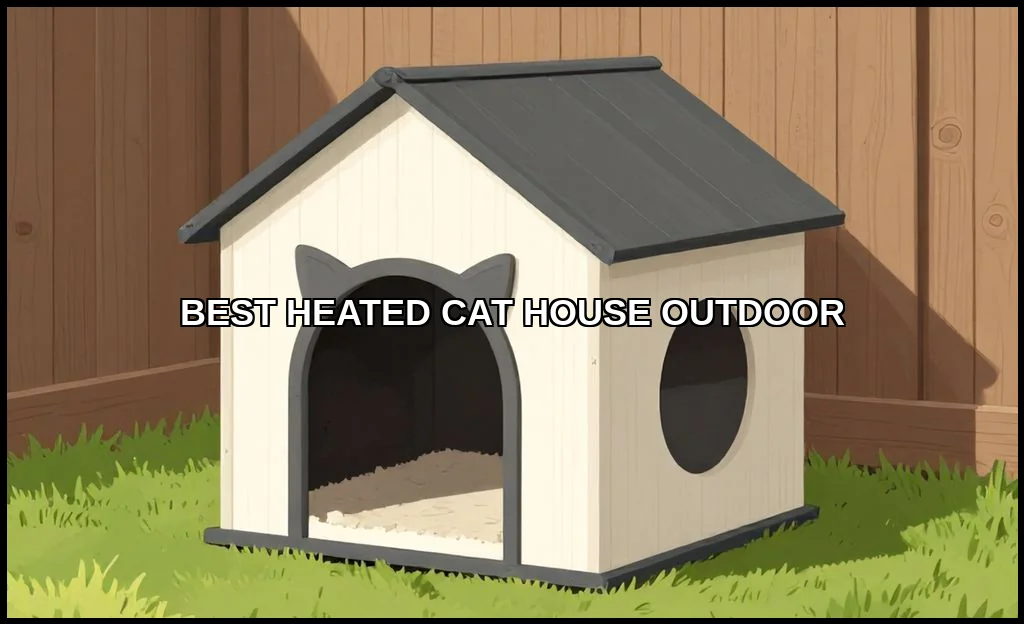
What to Look for in a Heated Outdoor Cat House
Not all shelters are created equal. Your goal is to provide a safe, warm, and inviting refuge. Focus on these core elements to separate the great from the merely adequate.
Safety and Weatherproofing Are Non-Negotiable
This is the most critical category. A heated pet house must protect from the elements and electrical hazards.
- Weatherproof Construction: Look for a waterproof roof, elevated floor, and tight-sealing door flaps. Materials should be moisture-resistant and not retain dampness.
- Electrical Safety: The power cord must be a chew-resistant cord. The heating element should be low-wattage and fully enclosed. A thermostatically controlled heater is idealit turns on only when needed, saving energy and preventing overheating.
- Stability & Security: The house shouldn’t tip in wind. A lightweight, flimsy shelter is a hazard. Consider adding weight or securing it.
Heating Technology and Power Sources
How the house generates warmth defines its safety profile and operating cost.
- Electric Heating Pads: The most common. They’re safe, energy-efficient, and often feature a thermostatically controlled setting. They require an outdoor-rated GFCI outlet.
- Catalytic Heaters: These are flameless chemical heaters, often used in portable propane units. They provide excellent radiant heat without electricity but require ventilation and fuel monitoring. Not typically found in mainstream commercial cat houses, but a DIY option.
- Power Source: Most plug in. For areas without outlets, a best battery operated heater concept can inspire solutions, though dedicated battery-powered cat houses are rare. Solar is an emerging but limited option.
Insulation and Comfort Features
Heat retention is key. A well-insulated cat house makes the heater’s job much easier.
Look for foam walls or double-wall construction. The bedding matters, too. Avoid towels or blanketsthey hold moisture. Instead, use straw bedding, which wicks moisture and provides loft for cats to burrow into. Cedar shavings are a no-go; the oils can be toxic.
Top Heated Cat House Models & Reviews
Based on features, safety, and user feedback, here are two standout approaches.
All-in-One Heated Shelter: The Plug-and-Play Choice
This category includes houses like the Heated Outdoor Cat. These units come fully assembled or easy to put together, with the heating system integrated. They’re perfect if you want a guaranteed weatherproof seal and don’t want to piece components together. Look for models with a removable, washable pad and easy-access roof for cleaning.
Modular System: House + Separate Heated Pad
This offers maximum flexibility. You buy a high-quality insulated cat house and add a separate, thermostatically controlled pet heating pad. This lets you upgrade or replace components independently. It’s a great strategy if you already have a sturdy shelter or need multiple heated zones. You can find excellent standalone pads at retailers like Walmart, alongside other best space heaters for human use.
Heating Technology: Pros, Cons, and Safety
Let’s break down the two main heating methods you’ll encounter.
| Technology | Pros | Cons & Safety Notes |
|---|---|---|
| Electric Pad (Thermostatically Controlled) | Precise temperature control, energy-efficient, low surface temperature, very safe when used correctly. | Requires outdoor GFCI outlet. Cord must be chew-resistant. Can fail if wet (must be in a dry house). |
| Catalytic Heater | No electricity needed. Provides strong, radiant warmth. Excellent for extreme off-grid situations. | Requires fuel (propane). Must have proper ventilation to prevent carbon monoxide buildup. Better for larger, well-ventilated shelters and often a DIY project. |
The debate of heated vs insulated cat house which is better is settled: you want both. Insulation retains the cat’s body heat and any added warmth, making the system far more efficient.
Setup, Placement, and Winterization Tips
Where and how you place the shelter is as important as the shelter itself.
Strategic Placement
- Choose a quiet, low-traffic area, protected from prevailing winds and rain/snow drifts.
- Elevate it slightly on bricks or pallets to prevent ground dampness and freezing to the surface.
- Face the entrance away from the wind. A doorway offset from the center creates a draft-free zone inside.
Winterizing Your Setup
For the safest outdoor heated cat house for kittens or frail cats, extra steps help. Line the floor with Mylar emergency blankets (reflective side up) under the straw bedding to reflect body heat. Use a vinyl door flap to keep wind out. Check the chew-resistant cord regularly for damage. And always ensure the outlet is protected from moisture.
For comprehensive feral-specific advice, this authority guide from Alley Cat Allies is an invaluable official source.
FAQs: Power, Safety, and Feral Cats
How do I power an outdoor heated cat house?
Most use a standard 110V outlet. It must be a Ground Fault Circuit Interrupter (GFCI) outlet for safety. Use a waterproof cover for the outlet itself. For truly remote locations, a heavy-duty outdoor extension cord run safely from a power source is the typical solution.
Are heated cat houses safe for kittens and all-night use?
Yes, if they are quality commercial products with thermostatically controlled, low-wattage pads and proper cords. They’re designed for continuous use. The pad warms to a safe, cat-specific temperature (usually 102-105F), not enough to burn. Always monitor the house initially to ensure your cat uses it properly.
How can I encourage a feral cat to use the heated house?
This answers the core question of how to keep a feral cat warm in winter with a heated house. Place it where the cat already shelters. Sprinkle catnip or treats inside. Use their existing scentavoid cleaning it thoroughly at first. Place food near, then inside, the entrance. Patience is key. They will find the warmth.
Providing a warm haven is one of the most direct ways to protect outdoor cats. It’s not just about comfort; it’s about survival. By choosing a well-built, weatherproof cat shelter with a safe heating element, strategically placing it, and using the right bedding, you turn a harsh winter into a manageable season for your feline neighbors. Start the setup before the deep cold hits. They’ll thank you with their presenceand their health.
