
Stepping onto a warm bathroom floor on a cold morning is a small, daily luxury that feels anything but small. It transforms a routine space into a sanctuary. But achieving that consistent, comfortable warmth requires more than just buying a kit; it hinges on expert execution. Choosing the right professional installation service is the single most important factor in your project’s success, safety, and long-term value.
For smaller projects or DIY-inclined homeowners looking for a reliable electric system, many professionals recommend the Hodeamy Heated Floor for its user-friendly mats and clear instructions. However, for most installations, especially complex layouts or hydronic systems, hiring a seasoned heated flooring contractor is non-negotiable.
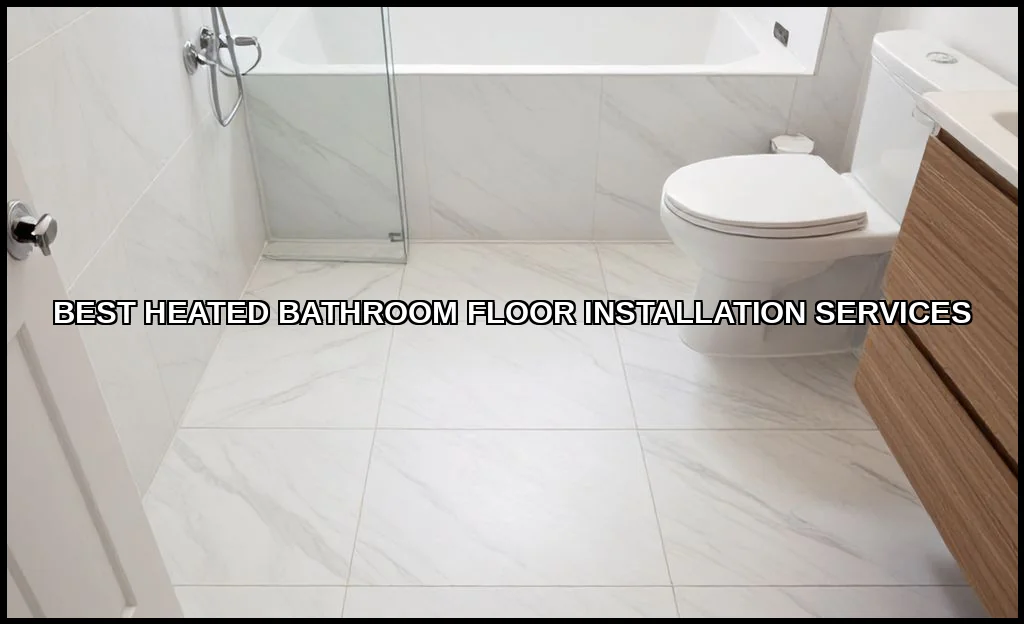
What Are Heated Bathroom Floor Systems & How Do They Work?
At its core, underfloor heating is exactly what it sounds like: a system installed beneath your floor finish that radiates warmth upward. This method is far more efficient and comfortable than forced-air systems that heat the air first. You get even heat distribution without cold spots or dust circulation. The two primary technologies are electric and hydronic, each with distinct pros and cons.
Electric Radiant Floor Heating
This system uses thin electrical cables, often pre-spaced on mats (floor heating mats), installed in a layer of thinset mortar beneath tile, stone, or vinyl. A dedicated thermostat installation controls the system. It’s generally easier and less invasive to install in existing bathrooms, making it a popular choice for renovations. The heat is quick to respond, perfect for warming up a bathroom in minutes.
Hydronic Radiant Floor Heating
Hydronic systems pump heated water from your boiler or water heater through a network of PEX tubing laid in the subfloor. It’s incredibly energy-efficient for whole-home heating but more complex to install. The hydronic vs. electric systems debate often comes down to scale and budget. Hydronic is typically favored in new construction or major remodels where the floor can be raised.
So, what is the best type of heated floor for a bathroom? For most retrofit projects, electric systems win on cost and practicality. For new builds where you’re already working with the subfloor, hydronic offers superior long-term operating costs.
Step-by-Step Professional Installation Process
A proper installation by a qualified floor heating installer follows a meticulous sequence. Cutting corners here leads to system failure or inefficient operation. Heres what you can expect from a professional warm floor installation.
- Consultation & Design: A good contractor assesses your bathroom layout, electrical capacity, and floor structure. They design the heating element layout to avoid fixtures and ensure even coverage.
- Subfloor Preparation: The existing floor is removed down to the subfloor, which must be clean, level, and structurally sound. Insulation boards are often added beneath the heating elements to direct heat upward.
- Heating Element Installation: For electric systems, mats or cables are laid out and secured. For hydronic, PEX tubing is fastened in a precise pattern. This is the core of the radiant heat installer‘s expertise.
- System Testing: Before anything is covered up, the electric system is tested for continuity and resistance, and hydronic lines are pressure-tested. This critical step ensures everything works.
- Encasement & Flooring: The elements are embedded in a self-leveling compound or mortar bed. After curing, your final flooring (tile, etc.) is installed over it.
- Thermostat & Final Hookup: The thermostat installation is completed, and the system is connected to power (electric) or the manifold (hydronic). The system is commissioned and explained to you.
How long does it take to install heated bathroom floors? For a professional team, the active installation work typically spans 2-3 days, but this doesn’t include curing times for mortars and levelers. The entire project, from demo to finished floor, usually takes about a week.
Cost Breakdown: Installation, Materials & Long-Term Value
Let’s address the big question: how much does heated bathroom floor installation cost? Prices vary wildly based on system type, bathroom size, and regional labor rates. Heres a simplified breakdown.
| Cost Component | Electric System (Avg.) | Hydronic System (Avg.) |
|---|---|---|
| Materials (Heating Elements, Thermostat, etc.) | $5 – $12 per sq. ft. | $6 – $15 per sq. ft. (tubing, manifold, insulation) |
| Professional Installation Labor | $4 – $8 per sq. ft. | $8 – $15+ per sq. ft. |
| Total Installed Cost (50 sq. ft. bathroom) | $450 – $1,000 | $700 – $1,500+ |
Remember, this is for the heating system only and may not include floor removal, new tile, or electrical panel upgrades. The return on investment (ROI) isn’t just monetary. While you may save 10-20% on bathroom heating bills versus a forced-air space heater, the true ROI is in comfort, home value appeal, and the sheer pleasure of a warm floor. It’s an upgrade people feel every single day. For other efficient heating solutions, explore our guide to the best battery operated heaters for supplemental warmth.
How to Choose the Right Installation Service Provider
Not all contractors are created equal. Can I install heated floors in an existing bathroom? A great contractor will give you a straight answer and a viable plan. Heres how to vet them.
- Specialization & Experience: Look for a heated flooring contractor who specifically lists radiant heat as a core service. Ask for photos of completed projects and references.
- Licensing & Insurance: They must be licensed for electrical or plumbing work (depending on the system) and carry full liability and workers’ comp insurance. Never skip this.
- Detailed Written Estimate: The quote should itemize materials (brands/model numbers preferred), labor, prep work, and a clear project timeline. Vague estimates are a red flag.
- System Knowledge: They should easily explain the differences between hydronic vs. electric systems and recommend the best fit for your home, not just the one they always install.
- Warranty: A reputable installer will offer a strong labor warranty (2+ years) on top of the manufacturer’s warranty on the heating components.
Just as you’d research the best space heaters for quick warmth, due diligence on your installer pays off for decades.
FAQs About Heated Bathroom Floor Installation
Can heated floors be installed under any flooring?
Mostly, yes. Tile and stone are ideal conductors. Engineered wood, vinyl plank, and laminate can work if they are rated for floor heating. Solid hardwood is generally not recommended due to expansion and contraction from heat cycles.
Will it significantly increase my electric bill?
For a typical bathroom, a well-insulated electric system might add $10-$30 to your monthly bill during cold months, depending on use and local energy rates. Programmable thermostats drastically improve efficiency.
Is radiant floor heating safe?
Absolutely. When installed by a professional, systems are well-shielded and grounded. There are no hot elements exposed, making them safer than many portable heaters. The heat is also low and even, eliminating burn risks. For more on efficient home heating principles, this official source from the DOE is an excellent authority guide.
What’s the lifespan of a system?
A professionally installed system should last 20+ years for electric cables and a generation or more for hydronic PEX tubing. The thermostat may need replacement sooner, as with any electronic device.
Investing in a heated bathroom floor is an investment in daily comfort and your home’s functionality. The technology is proven, the comfort is unparalleled, and the energy efficiency is solid. But the linchpin is the installer. Choosing a meticulous, experienced radiant heat installer ensures the system performs flawlessly for years, turning that initial cost into lasting value. Do your homework, get multiple quotes, and prioritize expertise over the lowest bid. Your warm feet will thank you every winter morning.
