
Choosing the right electric hot water heater is a major home decision. It affects your daily comfort, energy bills, and long-term home value. With so many models and technologies available, from traditional tanks to sleek tankless units, the options can feel overwhelming. This guide cuts through the noise. We’ll compare top models, break down key specs, and help you find the best electric water heater for your specific needs. For smaller, immediate hot water needslike a perfect cup of tea while you researchmany homeowners love the convenience of a Cosori Electric Kettle. It’s a reminder that efficient electric water heating comes in many forms.
Electric Water Heater Types: From Tank to Tankless
Your first major choice is between a storage tank and a tankless system. Each has distinct advantages for different lifestyles. Traditional storage tank heaters are the most common. They keep a large volume of water hot and ready to go, which is great for simultaneous, high-demand use. The downside? Standby heat loss. Energy is constantly used to keep that tank hot, even when you’re asleep or at work.
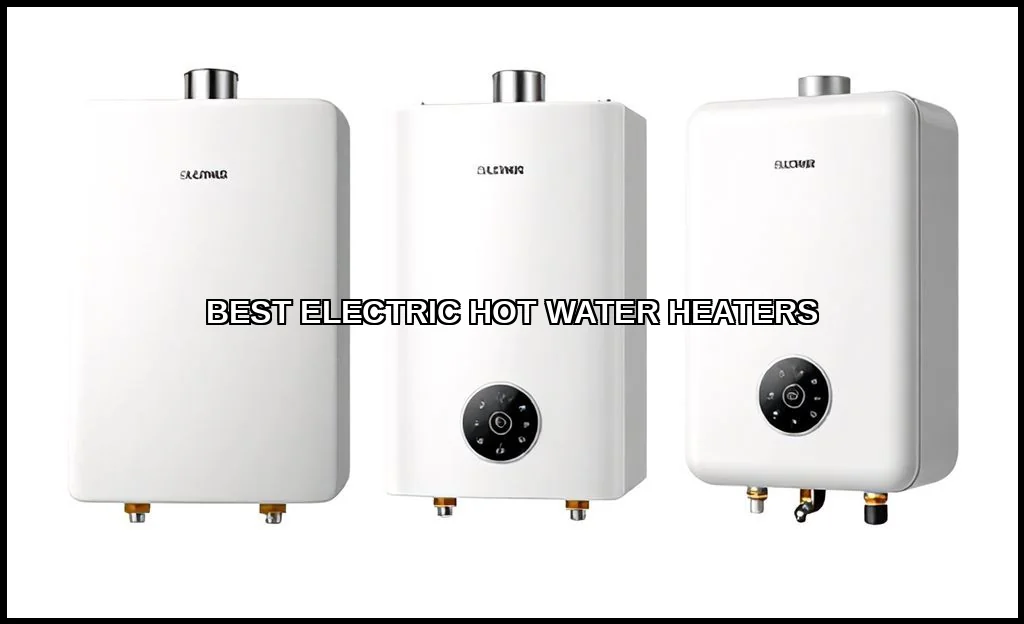
Tankless electric water heaters, also called on-demand heaters, heat water directly as it flows through the unit. They provide endless hot water and are incredibly space-efficient. However, their output is limited by electrical capacity. To run multiple showers at once, you may need a whole-house system with substantial amperage. The debate between tankless vs. tank electric heater often comes down to your home’s electrical service and peak usage patterns.
Two other types are gaining serious traction. A heat pump water heater is the efficiency champion. It works like an air conditioner in reverse, pulling heat from the surrounding air to warm the water. It can be two to three times more efficient than a standard electric resistance model. Then there are compact point-of-use electric heater units. Installed under a sink or near a remote bathroom, they deliver hot water instantly, eliminating long pipe runs and water waste.
Top-Rated Electric Water Heater Models & Brands
Navigating electric water heater brands requires looking at reliability, warranty, and innovation. Brands like Rheem, AO Smith, and Bradford White dominate the market with proven track records. For instance, many professionals find Bradford White units to be consistently good and reliable for residential installations. Stiebel Eltron and EcoSmart are leaders in the tankless electric space, known for their precise temperature control and compact designs.
For those prioritizing efficiency, Rheem’s Hybrid Electric (heat pump) models often top the list. They offer smart home connectivity and significant energy savings, though at a higher upfront cost. When reading electric water heater reviews, pay close attention to feedback on longevity and customer service. A 10-year warranty on the tank and elements is a strong indicator of quality.
Key Features & Specifications Comparison
Spec sheets can be confusing. Here are the metrics that truly matter for your electric hot water system:
- First-Hour Rating (FHR): For tank heaters, this is the gallons of hot water the heater can supply in an hour (starting with a full tank). It’s the best gauge for sizing. A family of 4 typically needs a unit with an FHR of 50-70 gallons.
- Recovery Rate: How fast the tank reheats after use. A higher recovery rate means less waiting between showers.
- Energy Factor (EF): A measure of overall efficiency. The higher the EF, the less electricity it uses. Heat pump models have EFs often above 2.0, while standard electric tanks are around 0.9.
- Wattage and Voltage Requirements: Standard residential electric water heater tanks often run on 240V/4500W or 5500W. Whole-house electric tankless units can require 18,000W or more, needing multiple dedicated breakers.
Always check the anode rod material. This sacrificial rod protects your tank from corrosion. A quality magnesium or aluminum/zinc rod can double the life of your heater.
Installation, Sizing & Maintenance Guide
Electric water heater installation is generally simpler than gas, as there’s no venting required. But working with high-voltage electricity and heavy plumbing is not a DIY project for most. Always hire a licensed professional. They’ll ensure proper grounding, correct wire gauge, and safe pressure relief valve installation.
Finding the Right Size
So, what size electric water heater do I need for a family of 4? For a tank, a 50-gallon capacity is usually the starting point. But you must cross-reference with the FHR. A 50-gallon tank with a high recovery rate may outperform an 80-gallon tank with a slow one. For tankless, sizing is about flow rate (gallons per minute, or GPM). Add up the GPM of all fixtures you might run concurrently.
Step-by-Step Maintenance
- Annual Flushing: Drain a few gallons from the tank to remove sediment. This improves efficiency and longevity.
- Anode Rod Inspection: Check the rod every 3-5 years and replace it if more than 50% corroded.
- Temperature & Pressure Relief Valve Test: Lift the valve’s lever to ensure water flows freely, then let it snap back.
Cost, Energy Efficiency & Final Recommendations
Let’s tackle the big question: are electric tankless water heaters worth the cost? The answer is “it depends.” Their upfront cost is higher, and electrical upgrades can add thousands. But they last longer (20+ years vs. 10-15 for tanks) and can save 20-30% on energy bills if you use less than 41 gallons daily. For large families with constant demand, the savings may not offset the initial investment.
The true energy efficient water heater star is the heat pump model. According to the official energy guide, they can save a household of four about $330 per year compared to a standard electric model. Look for ENERGY STAR certification. Your local electricity rates are crucial here. If you’re searching for the best electric water heater for low electricity rates, a standard high-efficiency tank might offer the fastest payback.
| Heater Type | Avg. Upfront Cost | Estimated Lifespan | Best For |
|---|---|---|---|
| Standard Electric Tank | $500 – $1,500 | 10-15 years | Budget-conscious buyers, standard homes |
| Electric Tankless | $800 – $3,000+ | 20+ years | Small homes, low simultaneous use, endless hot water seekers |
| Heat Pump Hybrid | $1,200 – $2,500+ | 13-15 years | Eco-focused owners, warm climates, high hot water users |
Your final choice in the electric vs. gas water heater debate might come down to existing infrastructure. Electric is often cheaper to install where gas lines aren’t present. Use this hot water heater buying guide as your checklist. Weigh your household’s peak demand, available space, and long-term utility savings. And remember, for supplemental heating in specific rooms, you can always explore the best space heater options for targeted comfort.
Investing in the right system pays off for years. Prioritize quality installation, understand the specs, and choose a model that aligns with both your daily routines and your financial outlook. The perfect balance of comfort and efficiency is out there.
