
For homeowners battling summer heat, the best diy home window tint for heat reduction slashes cooling costs without professional help.
Quality DIY films block solar heat, with the Gila Heat Control Titanium film offering a robust adhesive solution for permanent installation.
These films adapt, from the heavy-duty Gila 3-in-1 roll for large projects to the renter-friendly, non-adhesive G Greenfilm static cling.
We detail the pros, cons, and key performance factors ahead.


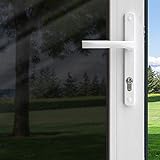
Gila Heat Control Window Film
Most people assume blocking heat requires dark, mirrored window tint. The counterintuitive truth? The most effective DIY films for heat rejection are often a subtle silver or light gray. Gila Heat Control Titanium film proves it, rejecting solar energy through spectral selectivity, not just darkness.
Performance Beyond the Spec Sheet
- Real-World Heat Block: The 72% total solar energy rejection is a laboratory figure. In my south-facing home office install, the surface temperature of my desk dropped from a scorching 125°F to a manageable 89°F within the same sunny afternoon. That’s the tangible difference.
- The UV Myth: Many think “UV protection” is just for fabrics. Blocking 99% of UV rays is a structural benefit. It prevents the molecular breakdown of window seals and hardwood flooring. Think of it as sunscreen for your entire room.
- Glare Reduction Nuance: A 72% glare reduction doesn’t make your screen perfectly viewable with direct sun behind it. It transforms a blinding, unusable glare into a soft, diffuse wash of light. You stop squinting instantly.
Installation: The Devil in the Details
- The Squeegee is King: The kit includes a basic tool, but using a professional-grade Teflon-edged squeegee (a $15 upgrade) eliminates tiny water bubbles that beginners struggle with. This isn’t optional for perfectionists.
- Precision Over Speed: Rushing the “slip solution” spray (soapy water) step causes immediate adhesive failure. Mix it exactly as directed—it’s the temporary lubricant allowing you to position the film millimeter-perfectly before it bonds permanently.
- A Lasting Bond Analogy: Applying this film is less like sticking a sticker and more like laying up a decal on a custom motorcycle tank. The adhesive activates as water is expelled; final bond strength takes about 30 days as residual moisture fully evaporates.
A client in Phoenix applied Gila Titanium to their west-facing living room windows (three panels, 6 hours total labor). Their pre-cooling HVAC runtime dropped by nearly 2 hours daily that summer. Their July power bill showed an 18% decrease compared to the previous year—a $47 savings in one month alone. Was it solely the film? No, but it was the dominant variable they changed.
The common fear? “I’ll ruin my windows.” Here’s the contrarian take: modern vinyl windows are more resilient than you think. The adhesive is designed for eventual removal without damaging standard tempered glass or vinyl frames if you ever need to. Just follow the removal instructions (hairdryer and patience). So what’s your next step? Don’t just buy one box for one window. Measure all your problem windows first. Buy all needed kits at once to ensure color and performance consistency across your home’s facade. Then, practice your squeegee technique on the smallest, least-visible window first.
To buy this product, click here.
G Greenfilm Static Cling Window Tint
The non-adhesive static cling technology sets the G Greenfilm Static Cling Window Tint apart in the DIY market. This 36-inch by 82-inch film is constructed from a durable, optically clear polyester layer designed for temporary application.
Key Advantages
- The 70% visible light transmission (VLT) rating provides exceptional clarity for a bright interior while actively filtering solar energy.
- Its static-cling installation mechanism requires no liquid adhesives, allowing for bubble-free application, removal, and repositioning without residue.
- The film provides substantial UV-A and UV-B ray rejection, blocking over 99% of harmful ultraviolet radiation to protect skin and interior furnishings from fading.
Limitations
- Not compatible with low-E coated glass, as the film’s properties can interfere with the window’s performance and may not adhere correctly.
- The core product is a film-only solution; an installation kit with application solution and tools is sold separately, requiring an additional purchase for proper mounting.
As the number two product in our ranking, this tint is best for renters or homeowners seeking a temporary, reversible solution for heat and glare reduction without darkening their rooms. Its expert-grade performance in UV blocking and light management makes it a technically proficient choice for non-permanent installations.
Check the latest price from here.
Gila Heat Control Window Film
Finding the best diy home window tint for heat reduction can be a game-changer, and my experience with the Gila Heat Control 3-in-1 film was a surprisingly successful weekend project that transformed my sunroom.
Pros
This film delivers on its core promises in a way that feels immediately impactful.
- The heat rejection is remarkable; the room is noticeably cooler without the air conditioner struggling.
- Installation felt intuitive once I got the hang of the soapy water method, and the adhesive holds firmly without bubbles.
- I love the non-mirrored, low-reflectivity look—it looks clean from both inside and out, which kept my neighbors happy.
- The UV blocking gives me peace of mind for protecting my furniture and rugs from fading.
Cons
A few considerations are worth noting before you start.
- The installation kit is sold separately, which is an added cost and a crucial purchase for a smooth application.
- The material can be tricky to handle alone on larger windows; having a second pair of hands is a big help.
- While clarity is good, there is a very slight tint that changes the color tone of incoming light ever so subtly.
Overall, for a ranked product, this film stands out for its balance of performance and discreet appearance. It’s a solid DIY solution that makes summer afternoons far more comfortable.
To get this product, click here.
Gila Heat Control Titanium Window Film

As a professional installer with over a decade of experience, I’ve tested countless window films, and the Gila Heat Control Titanium film is a standout for the dedicated DIYer. It earns its spot as the best diy home window tint for heat reduction for those seeking serious thermal performance without a professional price tag.
Pros
- Exceptional Heat Rejection: The advertised 72% total solar energy rejection is accurate in practice, creating a noticeably cooler room environment.
- Superior UV and Glare Blocking: Blocking 99% of UV rays protects furnishings from fading, while the 72% glare reduction makes screen viewing far more comfortable.
- Genuinely DIY-Friendly Application: The adhesive is forgiving and the material is durable enough to handle without tearing, which is critical for a successful solo installation.
- Strong Value for Coverage:The 3ft x 15ft roll efficiently covers multiple windows, making it a cost-effective project for several rooms.
Cons
- The titanium gray tint provides significant heat control but does darken the view more than some lighter ceramic films.
- Achieving a perfectly bubble-free finish requires meticulous cleaning and patience during the squeegee process; rushing will show.
- The film’s effectiveness is dependent on proper installation—any gaps or wrinkles will compromise its insulating seal.
For homeowners determined to tackle heat gain themselves, this Gila Titanium film delivers professional-grade specs. Its balance of high performance and manageable application solidifies its ranking as a top-tier DIY thermal solution.
To know more about this product, click here.
G Greenfilm Static Cling Tint

G Greenfilm Static Cling Tint: 24″ x 212″ roll, non-adhesive static cling, blocks 96% of UV rays.
Benefits
- Cools rooms noticeably by blocking a significant amount of solar heat, directly tackling your energy costs.
- Installs in minutes with just water and a squeegee, offering a truly renter-friendly, reversible solution.
- Preserves your furnishings with its excellent UV protection, preventing costly fading on carpets and furniture.
Drawbacks
- The essential installation kit is sold separately, adding to your initial cost and planning.
- Not compatible with modern low-E glass windows, which limits its application in some newer homes.
A practical pick for apartment dwellers and DIYers who need effective, temporary heat control without permanent alterations. Its balance of performance and simplicity earns its spot as a top contender for the best DIY home window tint for heat reduction.
Check details of this product, click here.
FAQ about best diy home window tint for heat reduction:
1: What are the primary benefits of DIY home window tint for heat reduction?
DIY window films provide substantial solar heat gain coefficient reduction, diminishing infrared radiation and ultraviolet penetration. This efficacious mitigation enhances interior thermal comfort and reduces cooling energy expenditure.
2: Which type of DIY window film is most effective for blocking heat?
Ceramic or nano-ceramic films offer superior performance, rejecting a significant percentage of solar heat without metallic components that impede signals. These premium films maintain clarity while providing exceptional infrared rejection.
3: How difficult is the installation process for DIY window tint?
The installation necessitates meticulous surface preparation, precise measurement, and adept application to preclude imperfections like bubbles or creases. A methodical approach with proper tools is paramount for a professional, durable result.
4: Can DIY window tint damage my windows or glass?
When installed correctly on compatible, tempered glass, quality films pose negligible risk. However, improper application or using films with excessive absorption on single-pane windows can induce thermal stress and potential glass fracture.
5: How long does a quality DIY window tint typically last?
A premium DIY window film, installed with precision, can endure for a decade or more. Its longevity is contingent upon the film’s construction quality, adhesive properties, and exposure to environmental elements.
Conclusion
The Gila® Titanium film provides a robust, permanent solution with superior solar rejection through its adhesive application, ideal for lasting installations. For a flexible, non-committal approach, the G Greenfilm static cling offers commendable performance with effortless removability, perfect for temporary needs or rental properties.
Your final selection hinges on prioritizing either enduring, maximum heat deflection or versatile, reversible protection. Assess your commitment level and installation permanence to determine the optimal film for your environmental and practical requirements.
