
Finding the best cheap heater is a balancing act. It’s not just about the lowest price tag. You need a unit that warms your space effectively, runs safely, and doesn’t send your electricity bill into orbit. A true value heater combines upfront affordability with sensible long-term operation.
For many, the sweet spot is a compact, feature-rich model like the DREO Space Heater. It exemplifies modern budget-friendly heating with its ceramic heating element, multiple safety features, and quiet operation. It’s a strong contender for anyone seeking an affordable space heater that doesn’t feel cheaply made. You can check its current price and reviews here.
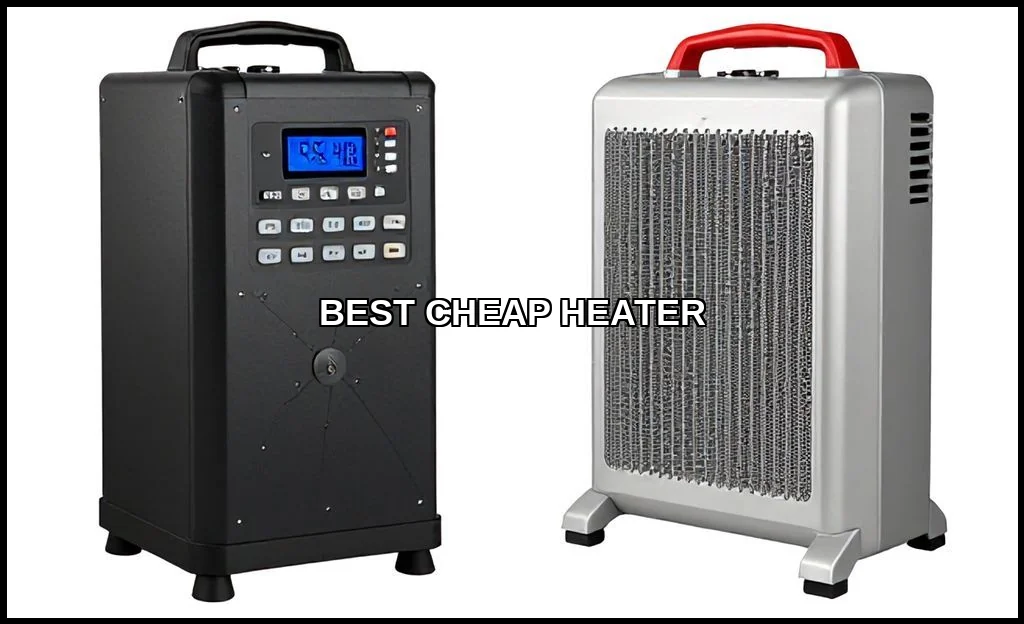
Defining ‘Best Cheap’ for Heaters
What does “best cheap” really mean? It’s about performance per dollar. A $25 heater that can’t warm a closet is a waste. A $70 model that efficiently heats your bedroom for years is a steal. Your goal is a cost-effective heater that meets your specific needs without unnecessary extras.
Consider total cost of ownership. The purchase price is just the start. An energy-saving heater with a higher upfront cost might save you more over a single winter. We’re looking for that optimal intersection of purchase price, efficiency, and durability. That’s the core of low-cost heating that actually works.
Top 5 Budget Heater Types Compared
Not all inexpensive room heaters work the same. The technology inside dictates its strengths. Heres a breakdown of the most common budget heater types you’ll encounter.
1. Ceramic Heaters
The ceramic heater is the reigning champion for fast, focused heat. A ceramic plate heats up quickly, and a fan blows air over it. They’re excellent for personal space or quickly taking the chill out of a small room. Most modern cheap electric heater options use this tech.
- Pros: Heats up almost instantly, lightweight and portable, often includes oscillating fans.
- Cons: Heat can feel “dry,” fan noise is present, heat dissipates quickly when off.
- Best for: Home offices, under desks, spot heating for short periods.
2. Oil-Filled Radiators
Think of these as modern, electric versions of old steam radiators. Electricity heats sealed diathermic oil, which then radiates heat into the room. The oil-filled radiator provides a gentle, consistent warmth that lingers.
- Pros: Silent operation (no fan), retains heat for a long time, excellent for all-night use.
- Cons: Slow to warm up, heavier and less portable, surface gets very hot.
- Best for: Bedrooms, living rooms, areas where you want sustained, quiet heat.
3. Infrared Heaters
These work like the sun. They emit infrared rays that directly warm objects and people in their path, not the air. It’s a “feel it now” type of heat that’s efficient for direct exposure.
- Pros: Instant feeling of warmth, quiet, doesn’t dry out the air.
- Cons: Heats only what’s in its direct line of sight, less effective for whole-room heating.
- Best for: Garages, workshops, patios (some models), or sitting directly in front of the TV.
4. Fan Heaters
The simplest and often cheapest design. A coiled wire element heats up, and a fan blows air across it. They are the bare-bones option for low-cost heating.
- Pros: Extremely inexpensive to buy, very lightweight.
- Cons: Can have a “hot wire” smell, less efficient, element can be a fire risk if obstructed.
- Best for: Very tight budgets, emergency backup heat, extremely short-term use.
5. Micathermic Heaters
A hybrid option. They use thin mica sheets covering a heating element, providing both radiant and convection heat. They are thin, panel-style heaters.
- Pros: Slim profile, heats up quickly, combination heating can be effective.
- Cons: Can be pricier than basic models, surface is hot to the touch.
- Best for: People wanting a space-saving design with faster heat than an oil radiator.
Wondering about cordless options? For unique situations like a tent or shed, our guide to the best battery powered heaters explores that niche.
Critical Safety Features You Shouldn’t Skimp On
This is non-negotiable. A cheap heater that is safe for pets and children requires specific built-in protections. Never compromise here.
Tip-over automatic shut-off is the most important. If the unit gets knocked over, it must turn off immediately. Overheat protection is equally vital. A internal sensor should cut power if components get too hot. Look for these safety certifications from independent labs like UL, ETL, or CSA. They mean the unit was tested to strict standards.
A cool-touch exterior is a major bonus, especially with pets or kids. It prevents burns from casual contact. Remember, even the best cheap heater is a potential hazard without these features. For a deep dive on safe operation, this official safety guide is an invaluable resource.
How to Maximize Efficiency & Lower Running Costs
Buying an economical heater is step one. Using it wisely is step two. The goal is to be the most energy efficient cheap space heater operator on your block.
Understand Wattage and BTU Output
Heating power is measured in wattage (for electric models) and BTU output. More watts/ BTUs mean more heat, but also higher electricity use. Match the heater to your space. A 1500-watt heater is standard for most medium-sized rooms.
- Small room (100 sq ft): 750-1000 watts
- Medium room (150 sq ft): 1000-1500 watts
- Large room (250+ sq ft): 1500+ watts; consider two smaller units or a dual-model.
Smart Usage Habits
Use your heater to supplement your central system, not replace it. Lower your thermostat and heat only the room you’re in. This is the secret to budget-friendly heating. Seal drafts around windows and doors. A heater fighting cold air leaks is wasting money.
Utilize programmable thermostats and timers. Many modern value heater models have them. Set the heater to turn on 30 minutes before you wake up, not all night. Every hour of unnecessary runtime adds up.
Final Recommendations: Best Cheap Heater for Different Needs
So, what is the best cheap heater for a bedroom? Or a drafty home office? Let’s match the need to the machine.
For Bedrooms & All-Night Use
Prioritize silence and steady heat. An oil-filled radiator is the classic choice. Its silent, radiant heat is perfect for sleep. Ensure it has a thermostat and timer. If you prefer faster initial heat, a ceramic heater with an adjustable thermostat and “eco” mode can also work well.
For Home Offices & Personal Spaces
You need fast, focused heat. A compact ceramic heater with oscillation is ideal. It will quickly warm your immediate area. Look for one with multiple heat settings so you’re not always running at full wattage.
For Tight Budgets (Under $50)
The hunt for the best cheap ceramic heater under $50 is real. Focus on basic, reputable brands from major retailers. You’ll often find solid fan or simple ceramic heaters at this price. Your best Walmart heater picks can be a great starting point for in-person deals. Just double-check for those essential safety features.
For Pet Owners
Safety first, always. Look for a heater with a sturdy base, tip-over switch, overheat protection, and a cool-to-the-touch cabinet. Micathermic or oil-filled radiators often have fully enclosed heating elements, which can be a safer design around curious noses.
The right affordable space heater is a tool, not a toy. It solves a specific problem: making one area of your home more comfortable without a major investment. By understanding the types, insisting on safety, and using it strategically, you get true value. You get warmth without worry. Thats the real definition of a smart buy.
