
When it comes to maintaining your central heating system, the role of a high-quality inhibitor often flies under the radar—but its impact is anything but minor. These specialized chemical blends prevent corrosion, scale build-up, and sludge formation, directly enhancing system efficiency and longevity. For the data-driven homeowner or technician, selecting the best central heating inhibitor means optimizing thermal transfer and reducing costly breakdowns, backed by measurable performance metrics.
What sets top inhibitors apart is their precise formulation: balanced pH levels, compatibility with diverse metals, and proven resistance to degradation over time. This isn’t just about adding a product; it’s about engineering a cleaner, more reliable heating environment that delivers consistent warmth while safeguarding your investment.
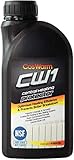


CosWarm HeatGuard CW1
CosWarm CW1 Central Heating Inhibitor & Protector Review
The CosWarm CW1 Central Heating Inhibitor & Protector stands out in the boiler maintenance landscape, particularly for its comprehensive protective capabilities. Designed to treat up to 18 radiators, this product is engineered to enhance boiler longevity and efficiency through a blend of innovative features.
- Corrosion Prevention: The CW1 formula is particularly effective in mitigating corrosion within heating systems. By forming a protective layer on metal surfaces, it significantly reduces the risk of rust, which is a common issue in older boilers. This feature is crucial for maintaining boiler efficiency and extending its operational lifespan.
- Scale Formation Reduction: One of the standout characteristics of the CosWarm CW1 is its ability to combat scale buildup. In hard water areas, scale can severely impact efficiency by insulating heating elements. The CW1 inhibits this process, ensuring optimal heat transfer and reducing energy costs, which is a significant benefit for homeowners.
- Universal Compatibility: Unlike many inhibitors that are specific to certain systems, the CW1 is compatible with both existing and new heating systems. This versatility simplifies maintenance for users, as they do not need to worry about compatibility issues when upgrading or replacing components.
- Continuous Protection: The product’s ability to provide long-lasting protection means that users can enjoy peace of mind. Regular use can prevent the frequent venting of radiators, which not only saves time but also enhances overall system performance.
Cons
- Initial Cost: The upfront investment in the CosWarm CW1 may be higher compared to some competitors. However, this cost can be justified by the long-term savings on energy bills and reduced maintenance needs.
- Application Complexity: For those unfamiliar with heating system maintenance, the application process might seem daunting. Clear instructions are provided, but novice users may require additional guidance to ensure proper usage.
Overall, the CosWarm CW1 Central Heating Inhibitor & Protector is a robust solution for maintaining boiler health, offering distinct advantages that can translate into significant operational efficiencies and cost savings.
Check current pricing and availability on Amazon.
Radiant Cleanse CW3
CosWarm CW3 Central Heating System Cleaner Review
The CosWarm CW3 Central Heating System Cleaner stands out in the realm of heating system maintenance products, particularly for its comprehensive approach to cleaning and descaling. This solution is engineered to treat up to 18 radiators, making it suitable for both residential and commercial applications.
Pros
- Effective Scale and Sludge Removal: The formulation is specifically designed to dissolve stubborn scale and sludge that accumulate over time, which can significantly enhance the thermal efficiency of your heating system. Users have reported noticeable improvements in heating response times post-application.
- Versatile Compatibility: Unlike many cleaners that are limited to specific boiler types, the CW3 is compatible with a wide range of heating systems, including both existing and new setups. This flexibility ensures that users can apply it without worrying about damaging their system.
- Preventative Maintenance: Regular use of the CW3 can prevent long-term damage to your heating system by inhibiting corrosion and buildup. This proactive approach can extend the lifespan of your boiler and radiators, reducing the need for costly repairs.
- Simple Application Process: The product is designed for ease of use; it can be added directly to the system without requiring extensive disassembly or professional intervention. This user-friendly aspect is particularly beneficial for DIY enthusiasts.
Cons
- Limited Treatment Scope: While it effectively treats up to 18 radiators, larger systems may require multiple bottles, which could increase overall costs for extensive applications.
- Potential Residue Concerns: Some users have noted that if not flushed properly after treatment, there can be residual effects that might affect system performance. It’s crucial to follow the flushing instructions meticulously.
In summary, the CosWarm CW3 Central Heating System Cleaner is a robust solution for maintaining heating efficiency and preventing system degradation, making it a valuable addition to any maintenance toolkit.
See the latest deals here.
Everbuild HeatClean 1L
Everbuild P11 Central Heating System Cleanser Review
The Everbuild P11 Central Heating System Cleanser is engineered for comprehensive maintenance of central heating systems, particularly excelling in environments where diverse materials are used.
Pros
- Versatile Compatibility: This cleanser is compatible with plastic tanks, micro bore piping, and all metals, including aluminium. This versatility ensures that users can safely apply it across various system configurations, eliminating concerns about chemical reactions that can occur with less compatible products.
- Economical Coverage: With a capacity to treat up to 100 litres of system volume per litre of product, the Everbuild P11 provides an economical solution for both residential and commercial applications. This efficiency means fewer purchases over time, making it cost-effective for regular maintenance.
- Enhanced Heating Efficiency: By removing sludge, scale, and corrosion, the cleanser significantly enhances the overall efficiency of heating systems. Users can expect improved heat distribution and reduced energy consumption, translating into lower utility bills and a more comfortable environment.
- Corrosion Eradication: The product effectively eliminates corrosive black oxide and flux residues, which are common culprits in system failures. This proactive approach not only prolongs the lifespan of heating components but also reduces the likelihood of costly repairs.
Cons
- Application Complexity: Users unfamiliar with central heating systems may find the application process somewhat technical. Clearer instructions or guidance could enhance user experience for those less experienced in system maintenance.
- Potential Overuse Risks: While the cleanser is designed for efficiency, overuse in smaller systems could lead to unnecessary chemical buildup. Users must adhere to recommended dosages to avoid potential complications.
In summary, the Everbuild P11 Central Heating System Cleanser stands out due to its compatibility and efficiency, making it a solid choice for those looking to maintain their heating systems effectively.
View current offers on Amazon.
Frequently Asked Questions
FAQ: Best Central Heating Inhibitor
1. How do I determine the right concentration of heating inhibitor for my system?
To determine the right concentration of heating inhibitor for your central heating system, first check your system’s capacity, typically measured in liters. Most manufacturers recommend a concentration of 1-2% of the total volume of water in your system. For example, if your system holds 100 liters of water, you would need 1-2 liters of inhibitor. Always refer to the product instructions, as some inhibitors may have specific recommendations based on their formulation.
2. Can I mix different brands of heating inhibitors in my system?
Mixing different brands of heating inhibitors is generally not recommended. Different products can have varying chemical compositions, which may lead to adverse reactions, reduced effectiveness, or even damage to your heating system. If you need to switch brands, it’s best to flush your system thoroughly before introducing a new inhibitor to ensure compatibility and effectiveness.
3. How often should I add inhibitor to my central heating system?
The frequency of adding heating inhibitor depends on your system’s age, water quality, and maintenance practices. As a guideline, it’s advisable to check inhibitor levels annually during routine maintenance. If you notice signs of corrosion, sludge buildup, or decreased efficiency, it may indicate that the inhibitor has depleted and needs replenishing. Regularly testing the water quality can also help you determine when to add more inhibitor.
4. What are the signs that my central heating system needs a heating inhibitor?
Signs that your central heating system may need a heating inhibitor include visible corrosion on pipes and radiators, strange noises such as gurgling or banging, reduced heating efficiency, and the presence of sludge or debris in the system. If you notice any of these symptoms, it may be time to add an inhibitor to protect your system from further damage and maintain optimal performance.
5. Are there specific inhibitors recommended for older heating systems?
Yes, there are inhibitors specifically formulated for older heating systems, typically containing corrosion inhibitors that are compatible with older metals like cast iron and mild steel. Look for products that clearly state compatibility with older systems and consider those that also help disperse sludge and prevent limescale buildup. Always consult with a heating professional to ensure you choose the right product for your specific system requirements.
Verdict: Tailoring Your Central Heating Inhibitor Choice
Choosing the right central heating inhibitor hinges on your system’s specific needs and long-term maintenance goals. For most modern, well-maintained systems, the CosWarm CW1 offers robust corrosion protection and system longevity, making it the optimal primary choice due to its proven reliability and compatibility.
If you’re managing older or more complex systems with potential mineral build-up, the CosWarm CW3 provides added system cleaning benefits, which can reduce future servicing costs. Conversely, for budget-conscious scenarios with minimal system complexity, Everbuild P11 delivers essential corrosion protection at a lower price point.
Next steps: Conduct a quick system assessment—note age, complexity, and maintenance history—and align your inhibitor selection accordingly. For new or recently serviced systems, start with CosWarm CW1. If your system is older or shows signs of mineral deposits, consider CW3 for preventative cleaning. Use the recommended dosage precisely to maximize effectiveness and protect your investment.
Informed choices today ensure smoother operation tomorrow—prioritize compatibility, system condition, and cost-effectiveness to select the inhibitor that truly safeguards your system’s future.
