You want to extend your swimming season without a shocking energy bill. That’s the promise of an above ground pool solar heater. It’s a smart, eco-friendly way to harness the sun’s free energy, turning a chilly dip into a comfortable swim for weeks longer each year. The technology is elegantly simple, but choosing the right system requires a bit of know-how. We’ll break down how they work, compare the best models, and show you how to get the most from your investment.

Intex
Intex Solar Pool Water Heater Mat for…
- Solar heater mat uses solar technology to increase the temperature of the pool water by approximately 5 to 9 degrees depending on…
- Features an 11-square-foot surface to absorb the sun's rays to heat up above-ground pools; Dimensions (L x W): 47.25 x 47.25 inche…
- Simple and economical to use, compatible with filter pumps with up to 1/3 HP or a pump flow rate less than 2,000 GPH; Weight: 6.41…
For many pool owners, a great starting point is a pre-packaged kit. These systems are designed for straightforward installation and reliable performance. A popular and well-reviewed option is the Intex 28685E 47, which offers a solid balance of heating power and ease of setup for many standard above ground pools. It’s a practical choice if you’re looking for a proven, all-in-one solar pool heating system.
How Above Ground Pool Solar Heaters Work
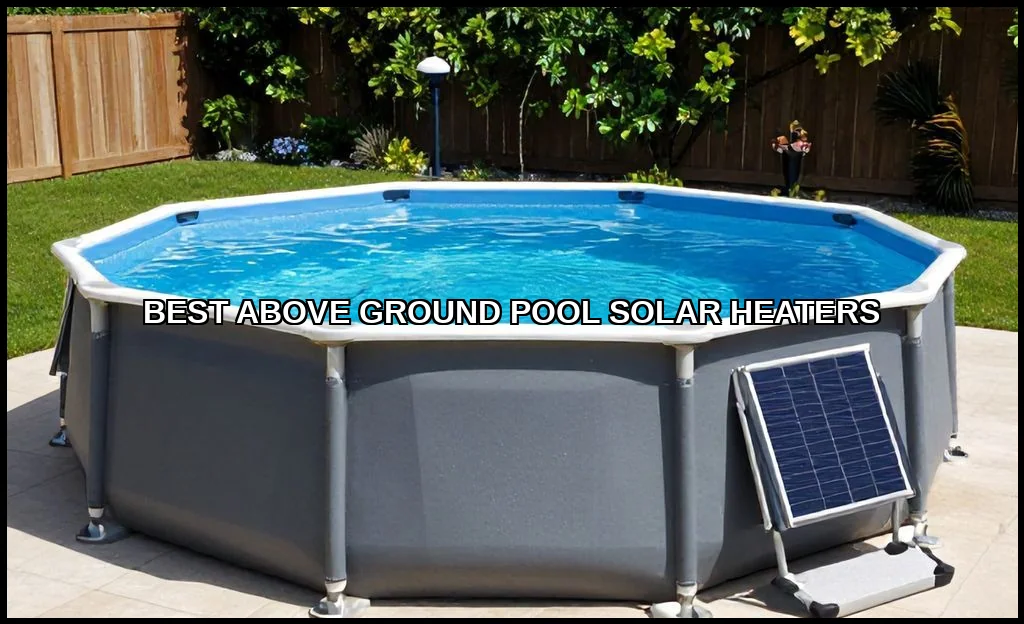
The core principle is straightforward. Your pool pump pushes water through a series of solar collector panels or mats, typically placed on a sunny roof or rack. As the water snakes through the dark, UV-resistant tubing, it absorbs heat directly from the sun. The now-warmed water then returns to your pool, gradually raising the overall pool temperature. It’s a continuous, passive cycle powered by your existing pump.
Efficiency hinges on a few key factors. The surface area of the collectors relative to your pool’s size is paramount. More panels mean more heat capture. The flow rate of your pump also matters; too fast, and the water doesn’t have time to heat up. Too slow, and you’re not circulating enough warm water. Most systems include guidelines to help you match the components correctly. And remember, a solar pool cover or solar pool blanket is not a heater, but it’s a critical partner. It traps the heat you’ve gained, preventing overnight evaporation and heat loss. Think of the heater as the engine and the cover as the insulation.
Top 5 Solar Heater Models for Above Ground Pools
Not all solar heaters are created equal. Your choice depends on pool size, budget, and your willingness for a DIY project. Here are five standout types, from simple to more involved systems.
1. Solar Pool Rings or Discs
These are the simplest entry point. Individual rings float on the pool’s surface, absorbing heat and transferring it directly to the water they contact. They’re incredibly easy to usejust toss them in. However, their heating power is limited, making them best for small pools or as a supplemental boost alongside a solar pool blanket.
2. Solar Pool Mats (or “Blanket” Systems)
This is a step up. An above ground pool solar mat is a flexible panel you connect to your pool’s return line. Water flows through it, heating more effectively than passive rings. They’re low-profile, often placed on a ground rack or a low-slope roof. They offer a good balance of performance and simplicity for the average homeowner looking to extend swimming season.
3. Rigid Solar Heating Panels
These are the high-performance option. Solar heating panels for pools are typically glazed panels mounted on a roof or frame. They have a higher BTU output and efficiency than mats. Installation is more permanent and complex, often requiring professional help for roof mounting. But for serious heating, especially in cooler climates, they are often the best solar heater for pool enthusiasts.
4. DIY Solar Heater Kits
For the hands-on owner, a DIY solar heater project using black irrigation tubing or specialized PVC coiled on a frame can be very cost-effective. It requires more labor and plumbing know-how for how to install a solar heater on above ground pool setups, but the savings are substantial. Performance varies wildly based on design and scale.
5. Hybrid Solar/Heat Pump Combos
While not purely solar, this is a smart trend. Use solar as your primary, free heat source during sunny days, and have a pool heat pump as a backup for cloudy stretches or rapid heating needs. This approach maximizes efficiency and guarantees swim-ready water. It’s a premium solution that answers the debate of solar heater vs heat pump for above ground pool with a “why not both?” mentality.
Key Features to Compare: Efficiency, Durability & Ease of Use
When shopping, look beyond the price tag. These three pillars determine long-term satisfaction.
Heating Efficiency & Performance
- BTU Output: British Thermal Units measure heating capacity. Match the BTU rating to your pool’s gallon volume. A system too small will struggle.
- Collector Material: High-quality UV-stabilized polypropylene or rubber resists sun degradation and cracking over years.
- Connection Design: Look for robust, standard fittings (like 1.5″) that integrate seamlessly with your existing hoses and pump.
Durability & Construction
- Freeze Protection: If you live in an area with frost, ensure the panels are drainable or have freeze-tolerant construction. Water freezing inside the tubes can cause catastrophic damage.
- Frame & Mounting: For rigid panels, a corrosion-resistant aluminum frame is ideal. The mounting hardware should be sturdy enough for your roof type and local wind conditions.
Ease of Use & Installation
- Modular Design: Can you easily add more panels later if you upgrade your pool? Scalability is a plus.
- Clarity of Instructions: A good manual is worth its weight in gold, especially for a DIY solar heater project. Check online reviews for feedback on this.
- Weight & Flexibility: Mats should be easy for one or two people to maneuver onto a roof. Rigid panels are heavier and often require more hands.
Step-by-Step Installation Guide & Maintenance Tips
While each model differs, the general process for installing a mat or panel system follows a logical flow. Always consult your specific manual first.
Installation Overview
- Plan and Measure: Choose a south-facing location (in the Northern Hemisphere) with maximum sun exposure. Calculate the required collector area. For a best solar heater for 24ft round pool, you’ll likely need a significant array.
- Mount the Collectors: Secure mats or panels to a roof, rack, or ground frame using the provided hardware. Ensure it’s angled correctly for your latitude.
- Plumb the System: Using a bypass kit (usually included), tee off your pool’s return line. Connect the solar inlet and outlet hoses. A solar controller valve is a wise add-on to automate flow based on temperature.
- Prime and Test: Remove air from the lines by running the pump, checking for leaks at all connections. Ensure water is flowing evenly through all panels.
Essential Maintenance for Peak Performance
- Keep It Clean: Periodically wipe dust, leaves, and debris off the collector surface. A dirty panel can’t absorb sunlight effectively.
- Winterize Properly: In freezing climates, completely drain the system and bypass it before the first frost. This is where that freeze protection design is critical.
- Inspect Annually: Check hoses for wear, fittings for tightness, and panels for any cracks or damage before each swimming season.
Just as you’d research the best space heaters for indoor comfort, taking time to properly install and maintain your pool heater ensures it delivers value for years.
Solar Heater vs. Other Heating Options: Cost-Benefit Analysis
Is solar the right choice? Let’s stack it up against the alternatives. This is where you answer are solar pool heaters worth the money for your specific situation.
| Heating Method | Upfront Cost | Operating Cost | Key Pros | Key Cons |
|---|---|---|---|---|
| Solar Heater | Medium-High | Very Low (sunlight is free) | Zero fuel cost, eco-friendly, extends season quietly | Weather-dependent, slower heating, higher initial investment |
| Pool Heat Pump | High | Low-Medium (uses electricity efficiently) | Works in sun or cloud, heats consistently, good for frequent use | Higher purchase price, requires significant electrical run |
| Gas Propane Heater | Medium | Very High | Heats water extremely fast, regardless of weather | Expensive to run, fuel costs volatile, not for constant use |
| Solar Cover Alone | Low | Zero | Inexpensive, reduces evaporation and heat loss | Only retains heat (doesn’t actively create it), physical handling required |
The analysis is clear. Solar wins on long-term operating costs and environmental impact. A heat pump is a powerful, reliable alternative but ties you to electricity costs. Gas heaters are for rapid, on-demand heat but are punishingly expensive for regular use. For most pool owners wanting to comfortably extend swimming season, a solar system paired with a cover offers the best blend of economy and effectiveness. It’s a long-term play.
For a deeper dive into the core technology, this official source on solar thermal principles is an excellent authority guide. The fundamentals are the same, whether heating your home’s water or your pool’s.
Making Your Final Decision
Start by auditing your goals. How many extra weeks do you want? What’s your local sun exposure like? Calculate your pool’s volume to estimate the necessary BTU output and collector area. Read reviews from owners with similar pool sizessearching for the best solar heater for 24ft round pool will yield more targeted advice than generic queries.
Remember, the solar heater is the star, but the supporting cast matters. A high-quality solar pool cover is non-negotiable. It’s the insulation that makes the whole system viable. Think of it as sealing the windows in your house while the furnace runs. Without it, you’re heating the great outdoors.
Whether you choose a simple mat kit or a full panel array, you’re investing in more swim days and lower bills. It requires an upfront commitment, but the payoff is a warmer pool powered by clean, silent, free energy. Just like choosing the right best ventless gas heater for a room, the right pool heater transforms your spacemaking it more usable and enjoyable on your terms. Get the sizing right, install it carefully, and let the sun do the rest.
Related pick: Check today's price on Amazon

I am a mechanical engineer and love doing research on different home and outdoor heating options. When I am not working, I love spending time with my family and friends. I also enjoy blogging about my findings and helping others to find the best heating options for their needs.
Related guides
Solar Heating System Lifespan: How Long They Last
You're considering a solar heating system. It's a smart move for long-term energy savings and reducing your carbon…

How Solar Heaters Connect to Swimming Pools (Full Guide)
Solar heaters connect to swimming pools via a series of pipes that circulate water, heating it through solar…
Types of Solar Air Heaters: Complete Guide for Homeowners
Solar air heaters come in various types, including glazed flat-plate, unglazed flat-plate, and evacuated tube collectors, each suited…