You’re staring at your utility bill, wondering where that energy is going. Your water heater might be a silent culprit, constantly losing heat through its thin metal walls. It’s like trying to keep coffee warm in a paper cup.
This is where a water heater insulation blanket comes in. Also called a hot water tank cover or jacket, it’s a simple thermal wrap designed to reduce heat loss. The core question isn’t just about installation. It’s about value. Are these blankets a smart investment or a potential hazard? Let’s unpack the details.

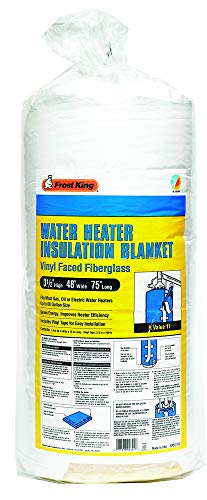
For a straightforward, well-reviewed option, many DIYers find success with the AES Industries Water heater blanket. It offers a solid balance of R-value and ease of use, making it a common pick for this exact project.
What is a Water Heater Blanket and How Does It Work?
Think of it as a winter coat for your hot water tank. Most standard tank heaters constantly work to keep 40-80 gallons of water at your set temperature. Heat naturally escapes through the tank’s walls. An insulation blanket adds a layer of material with a higher R-valuea measure of thermal resistanceto slow this escape.
The higher the R-value, the better the insulation. Common materials include fiberglass (often with a vinyl face) and reflective foil. The blanket simply wraps around the tank and is secured with tape or straps. The goal is straightforward: improve your water heater’s energy efficiency by preventing standby heat loss. This means the burner or heating element kicks on less frequently.
The Core Mechanism: Slowing Standby Loss
Standby heat loss is the energy wasted as hot water sits in the tank waiting for you to use it. It’s the biggest energy drain for a storage tank heater. A thermal blanket creates a barrier. This barrier keeps the heat where it belongsin the water. Less reheating cycles directly translates to lower energy consumption. It’s a classic case of heat loss prevention.
The Pros: Potential Energy Savings and Payback Period
The main attraction is cost savings. The U.S. Department of Energy estimates that insulating an older water heater can reduce standby heat losses by 25%45%. This could shave 4%9% off your water heating costs. For an average household, that might be $20-$50 annually.
But your actual savings depend on several factors:
- Your tank’s age and existing insulation: Newer models (post-2015) often have decent built-in insulation. An extra blanket offers diminishing returns.
- Your local climate: The colder the space where your heater lives (like an unheated garage), the greater the potential benefit.
- Fuel type and cost: Savings are more pronounced with electric heaters, as electricity is often more expensive per unit of heat than natural gas.
This leads to the critical payback period. A basic blanket costs $20-$50. If it saves you $30 a year, it pays for itself in well under two years. That’s a fantastic return. However, if your heater is newer or in a conditioned space, the payback period stretches out, making the investment less compelling. People often search for how much does a water heater blanket save per monththe honest answer is “it varies,” but for an old, poorly insulated tank in a cold basement, it could be $3-$6 monthly.
The Cons: Safety Risks and When NOT to Use One
Here’s where you must pay attention. Blankets aren’t universally safe. Ignoring these safety risks can lead to fire hazard or equipment failure. This isn’t scare-mongering; it’s essential due diligence.
When you should absolutely NOT install a blanket:
- On a gas water heater: The top, bottom, and thermostat/control panel areas must remain completely uncovered. A blanket can block critical airflow, trap heat near the flue, and create a serious fire risk. Always check the manual. The common query are water heater blankets safe for gas heaters has a nuanced answer: only if specifically designed for gas models and installed with extreme care to keep vents and controls clear.
- On a tankless water heater: They don’t store hot water, so there’s nothing to insulate. It’s pointless.
- On a newer, well-insulated tank: If your tank has an R-value of 16 or higher (check the label), adding more insulation has minimal effect. You might be solving a problem that doesn’t exist.
- If it covers any access panels, thermostats, or pressure relief valves: These must always be accessible.
Even for electric heaters, you must never cover the top or the thermostat access panels. The blanket must be cut and fitted precisely. A poorly installed blanket can cause the thermostat to misread the water temperature, leading to overheating. For those with a good quality newer unit, the manufacturer may advise against it altogether.
Step-by-Step Installation Guide & Cost Comparison
If your heater is a candidate (typically an older electric model in an unheated space), installation is a manageable DIY water heater insulation project. Heres a simplified guide.
Step-by-Step Installation Instructions
- Turn Off Power/Fuel: For electric, shut off at the breaker. For gas, turn the dial to “Pilot.”
- Measure Your Tank: Note its height and circumference. Most blankets are one-size-fits-most, but checking ensures a proper fit.
- Prepare the Tank: Let it cool. Wipe down the exterior so the tape will adhere.
- Wrap the Blanket: Position the blanket so it wraps around the tank, leaving the top, bottom, and all controls completely exposed. The seams should be at the back.
- Secure and Tape: Use the provided straps or tape to secure it snugly, but not overly tight. Use foil tape (not duct tape) for any seams, as it’s heat-resistant.
- Cut Openings: Carefully cut away the insulation material from in front of the thermostat access panel, pressure relief valve, and any drain valves. This step is non-negotiable for safety.
- Restore Power/Fuel: Turn everything back on and check for proper operation.
For a visual aid, searching for water heater blanket installation instructions step by step will yield helpful video guides.
Cost Analysis: Blanket vs. New Heater
| Option | Upfront Cost | Potential Annual Savings | Best For |
|---|---|---|---|
| Water Heater Jacket | $20 – $50 | $20 – $50 | Older electric tanks (8+ yrs) in cold spaces |
| New High-Efficiency Heater | $800 – $2,000+ | $100 – $300+ | When replacing a failed or very old unit |
The heater blanket cost is undeniably low. It’s a band-aid, not a cure. If your heater is on its last legs, investing in a modern, inherently efficient model is smarter. For example, a modern navien tankless unit eliminates standby loss entirely, though with a much higher initial price. The blanket is a tactical fix for an otherwise functional, inefficient tank.
Wondering about the best water heater blanket for an old tank? Look for a higher R-value (R-8 to R-11), durable vinyl or foil facing, and clear instructions for cutting. The blanket mentioned earlier fits this bill for many.
Final Verdict: Are They Worth It For Your Home?
So, is a water heater insulation blanket worth it? The answer is a firm “it depends.”
Yes, it’s likely worth it if: You have an electric storage water heater more than 7-10 years old, located in an unheated garage, basement, or crawlspace. The payback period is short, and the energy savings are real. It’s a low-cost, medium-reward project.
No, skip it if: Your heater is gas (unless you are an expert and follow all safety protocols), your tank is new and well-insulated (R-16+), or it’s a tankless system. The safety risks or minimal savings don’t justify the effort.
Always consult your heater’s manual first. And for comprehensive, unbiased advice on all things water heating, the official source from the Department of Energy is an invaluable authority guide.
Think of a water heater blanket as a tactical energy-saving tool. Used correctly on the right target, it’s a smart, frugal win. Used incorrectly, it’s at best a waste of money and at worst a hazard. Assess your tank, respect the safety guidelines, and you’ll make the right call for your wallet and your home.